

I. Introduction
In 2026, the demand for affordable shipping channels from China to Canada is increasing among small business owners, importers, and e - commerce sellers. However, the shipping market is filled with all sorts of options, and choosing the right one can be a real headache. I've been in the cross - border logistics industry for years, dealing with countless shipping challenges. Let me share some practical experience with you.
II. Common Affordable Shipping Channels
1. Sea Freight
Full Container Load (FCL) How it works: This option is suitable for large - scale importers who have enough goods to fill a whole container. You can choose from container sizes like 20GP, 40GP, and 40HQ. It's almost like having a private shipping space for your products.Practical example: I had a client back in 2024, a furniture factory from China. They were exporting a large number of sofas and tables to Vancouver. By using FCL, they reduced the risk of damage during transit and also got a better unit price.
Advantages: Economical for large volumes, relatively stable shipping schedules, and lower risk of cargo damage.
Limitations: High upfront cost, requires a large quantity of goods, and longer transit times, usually around 25 - 35 days depending on the port of departure and arrival.
Less than Container Load (LCL) How it works: Ideal for small - scale businesses or those with smaller shipments. Your goods will be grouped with other shippers' goods in a container.
Practical example: An apparel importer in Montreal used LCL to ship a new batch of winter clothes from China. Since they didn't have enough inventory to fill a container, LCL was the perfect choice.
Advantages: Lower cost for small shipments, more flexible in terms of quantity.
Limitations: Longer handling time at ports, higher risk of cargo loss or damage due to multiple handling, and possible delays if other shippers' goods have issues.
2. Air Freight
Express Courier Services How it works: Companies like DHL, FedEx, and UPS offer express services. They are known for their speed and reliability. For example, if you need to send urgent samples or high - value small items, this is a great choice.Practical example: A 3C electronics seller in Toronto needed to quickly send some new smartphone models to a local distributor. They used DHL, and the products arrived in just 3 - 5 days.
Advantages: Speedy delivery, reliable tracking systems, and door - to - door service.
Limitations: High cost, especially for large or heavy items, and strict restrictions on certain types of goods such as batteries and liquids.
Air Cargo How it works: This is more suitable for larger shipments that are not as time - sensitive as urgent express items. Airlines will transport your goods in the cargo hold of the plane.
Practical example: A home goods seller in Calgary wanted to import a batch of decorative items. They used air cargo, and it took about 10 - 14 days for the goods to reach their destination.
Advantages: Faster than sea freight, relatively secure, and can handle larger and heavier items compared to express courier services.
Limitations: Higher cost than sea freight, still has some weight and size restrictions, and may be affected by flight schedules and availability.
III. Special Focus on Sea Freight - Its Role and Significance
Sea freight plays a crucial role in China - Canada cross - border logistics in 2026, especially for its affordability.
1. Cost - Benefit Analysis
Sea freight is generally much cheaper than air freight, especially when it comes to large - volume shipments. For instance, if you're shipping a 20GP container of furniture from Shanghai to the Port of Vancouver, the sea freight cost might be around $1,500 - $2,500, while the equivalent air freight cost could be 5 - 10 times higher.
2. Impact of 2026 Policy Changes
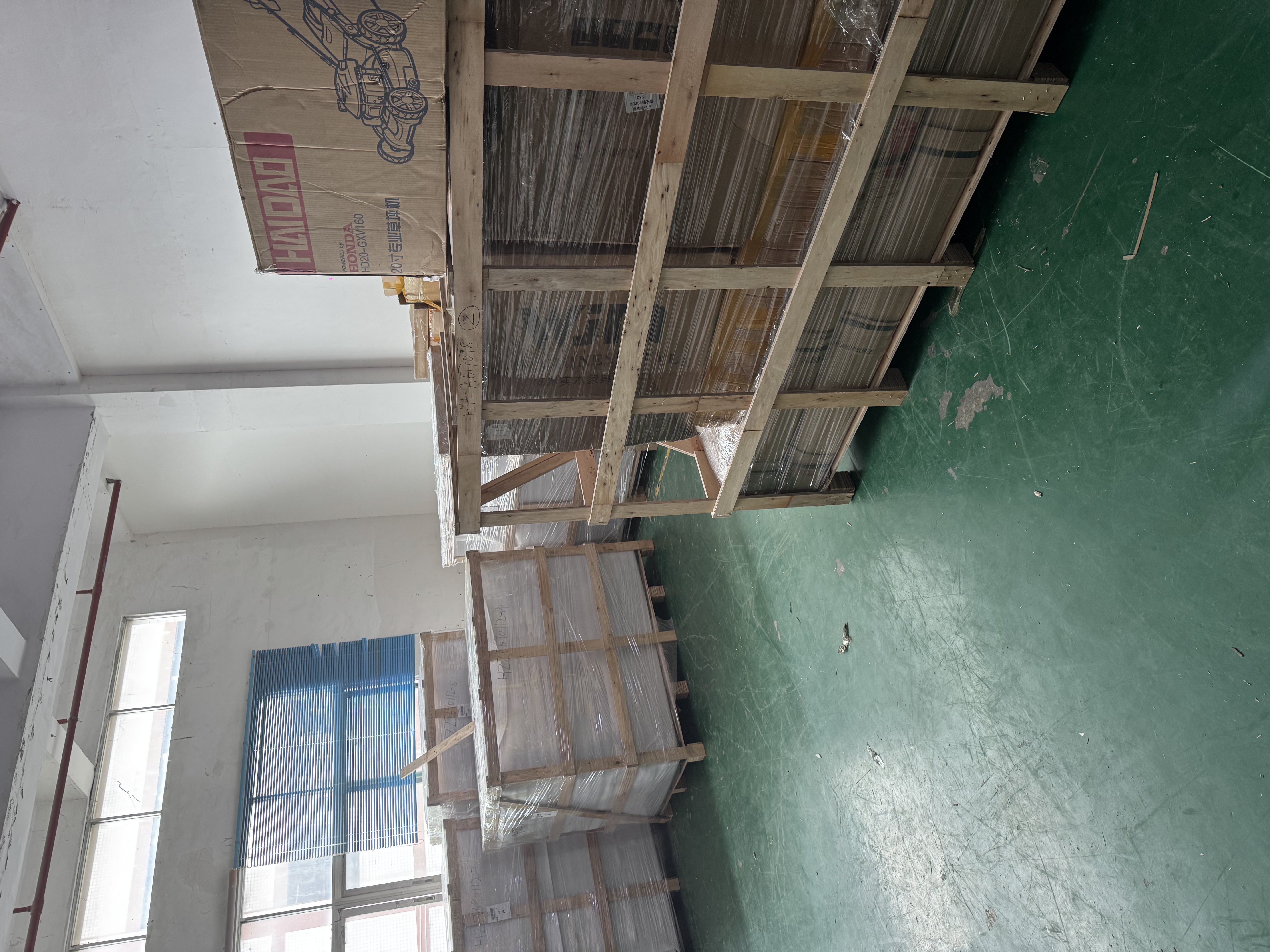
In 2026, there have been some policy changes in the shipping industry. The Canadian Border Services Agency (CBSA) has updated its customs clearance procedures, streamlining the process for legitimate shipments. For sea freight, this means that although the transit time remains relatively long, the overall efficiency of customs clearance has improved, reducing the chances of long - term detention at ports.
3. Route Optimization
There are several main shipping routes from China to Canada. Most common routes go through the Pacific Ocean, with major Chinese ports like Shanghai, Ningbo, and Shenzhen having regular connections to Canadian ports such as the Port of Vancouver and the Port of Montreal. By choosing the right shipping route and carrier, you can further reduce costs and improve transit times. For example, some shipping lines offer direct routes that can save a few days of transit time compared to routes with multiple stops.
IV. Choosing the Right Shipping Channel
1. Consider Your Shipment Volume
If you have a large volume of goods, sea freight (either FCL or LCL) is usually the more affordable choice. But if your shipment is small and urgent, air freight express services might be better.
2. Evaluate Transit Time Requirements
If time is of the essence, such as for seasonal products or time - sensitive promotions, air freight might be necessary. However, if you can afford a longer transit time, sea freight can save you a lot of money.
3. Analyze Goods Type
Some goods, like high - value electronics or perishable items, may require the speed and security of air freight. On the other hand, bulky and non - perishable items like furniture and building materials are well - suited for sea freight.
V. FAQs
Q: What are the main factors that affect the cost of shipping from China to Canada? A: The main factors include shipment volume, shipping method, distance, fuel surcharges, and customs duties. For example, larger volumes usually get better unit prices in sea freight, while air freight is more affected by weight and urgency.Q: Are there any restrictions on shipping certain goods from China to Canada? A: Yes, there are. For example, the Canadian Food Inspection Agency (CFIA) has strict regulations on food, plants, and animal products. Also, there are restrictions on weapons, drugs, and some types of chemicals. It's important to check the regulations before shipping.
Q: How can I ensure my goods are safely transported? A: You can choose a reliable shipping service provider. For example, [Shengda International Logistics] has a professional team and strict packing and handling procedures. They also offer insurance options for your goods. Additionally, proper packaging is crucial, especially for fragile items.
Q: Can I track my shipment during transit? A: Most shipping service providers offer tracking services. For air freight express services, you can usually track your package in real - time through the courier's website. For sea freight, carriers also provide tracking information, but the updates may not be as frequent.
Q: What should I do if my goods are delayed or damaged during transit? A: First, contact your shipping service provider immediately. Reputable companies like [Shengda International Logistics] have a claims process in place. They will investigate the issue and compensate you according to the terms of the agreement if the damage or delay is their fault. You can also check your insurance policy to see if it covers such situations.
In summary, choosing the right and affordable shipping channel from China to Canada in 2026 requires a comprehensive consideration of shipment volume, transit time, and goods type. Be sure to do your research and choose a reliable partner to make your cross - border shipping experience smooth and cost - effective.
