

I. Introduction
As an importer or small business owner, you may be gearing up for an unaccompanied personal effects shipment to Australia in 2026. But did you know there are a lot of hidden pitfalls that could turn your smooth shipping plan into a nightmare? I've seen it all during my years in the cross - border logistics industry. One time, a client who was a home goods seller from Sydney planned to import a large batch of Chinese handicrafts. Everything seemed fine until they encountered a series of issues at the customs clearance stage.
II. Policy Changes in 2026 and Their Impact
The Australian Border Force (ABF) and the Department of Agriculture, Fisheries and Forestry (DAFF) have introduced some significant policy changes in 2026. These are mainly related to biosecurity and customs valuation.
Biosecurity Updates
The ABF has tightened the regulations on imported goods to protect Australia's unique ecosystem. For example, all wooden products must now be accompanied by a valid fumigation certificate. This could be a headache for importers of furniture or wooden handicrafts. In one instance, an apparel importer in Melbourne also had some wooden hangers in their shipment. Since they didn't have the proper fumigation certificate, the entire shipment was held at Port of Melbourne for over 14 days, causing significant delays and additional storage costs.There are also stricter controls on food and plant - based products. All food items need to be accurately declared, and some may require pre - approval or special permits.
Customs Valuation
The customs valuation methods have been refined to ensure fair taxation. The ABF is now more vigilant in verifying the declared value of goods. This is a challenge for small businesses as over - declaring or under - declaring can lead to penalties. A 3C electronics seller in Brisbane once under - declared the value of their smartphone shipment. As a result, they were fined nearly 20% of the actual value of the goods and had to go through a lengthy re - assessment process.III. Common Pitfalls and How to Avoid Them
Documentation Errors (Core Section: 40% of the Article) One of the most common issues is incorrect or incomplete documentation. For an unaccompanied personal effects shipment, you need a detailed inventory list, commercial invoice, and packing list. The inventory list should describe each item accurately, including its value, quantity, and origin. For example, if you're importing clothes, you need to specify the type of fabric, color, and brand.I once had a client who just listed “clothes” on the inventory list. The customs officers in Sydney required a more detailed description. Since the client couldn't provide it immediately, the shipment was delayed. To avoid this, take your time to prepare the documentation and double - check every detail.
Another important document is the Certificate of Origin. It determines the preferential tariff treatment that the goods may be eligible for. If you incorrectly state the origin of your goods, it could lead to higher tariffs. For instance, if a trade factory in Sydney is importing raw materials from multiple countries and wrongly claims a single origin, they may end up paying unnecessary tariffs.
Shipping Incorrectly Classified Goods Goods need to be classified according to the Harmonized System (HS) codes. Misclassifying goods can lead to incorrect tariff calculations and customs delays. For instance, a home goods seller in Melbourne imported some decorative candles. They classified them as “ordinary candles” when they should have been classified as “scented decorative candles,” which have a different HS code. This led to a re - assessment of duties and a delay of about a week.
To avoid this, it's advisable to consult a professional customs broker or refer to the official Australian customs HS code database.
Ignoring Packaging Requirements Australia has strict packaging requirements to prevent the spread of pests and diseases. Goods should be packed in clean, sturdy, and new packaging materials as much as possible. For example, if you're shipping agricultural products, they should be packed in sealed containers to prevent the leakage of any contaminants.
An exporter once shipped a batch of fruits to Sydney in old and torn packaging. The DAFF officers rejected the shipment at Port Botany because they were worried about potential pest infestation. The exporter had to repack the goods at their own cost, causing significant delays.
IV. Shipping Channels and Their Considerations
Air Freight Advantages: Air freight is fast, usually taking about 7 - 12 days to reach Australia. It's suitable for small and urgent shipments, such as high - value electronics or perishable goods. For example, a 3C electronics seller in Brisbane can use air freight to quickly restock their popular smartphone models.Limitations: It's more expensive compared to sea freight. There are also weight and size restrictions. Additionally, the customs clearance process for air freight can be strict, and any documentation errors can cause immediate hold - ups.
Sea Freight Advantages: Sea freight is more cost - effective for large shipments. For a trade factory in Sydney importing a large quantity of raw materials, sea freight can significantly reduce transportation costs. There are two main options: full container load (FCL) and less than container load (LCL). FCL is suitable for larger shipments, while LCL allows you to share a container with other shippers for smaller quantities.
Limitations: Sea freight is slower, with transit times ranging from 20 - 40 days depending on the departure port and shipping route. There's also a risk of shipping delays due to bad weather, port congestion, etc.
V. Choosing the Right Logistics Partner
Selecting a reliable logistics partner is crucial for a successful unaccompanied personal effects shipment to Australia in 2026.
Experience and Reputation Look for a logistics company with a proven track record in handling shipments to Australia. A company like [盛达国际物流] has over a decade of experience in cross - border logistics. They have a team of experts who are well - versed in the latest Australian customs regulations and can help you navigate the complex shipping process.Service Range A good logistics partner should offer a comprehensive range of services, including warehousing, packing, shipping, and customs clearance. [盛达国际物流] provides一站式免费增值服务 such as full - platform parcel collection, free unpacking and consolidation, and long - term free storage. This can save you a lot of time and effort.
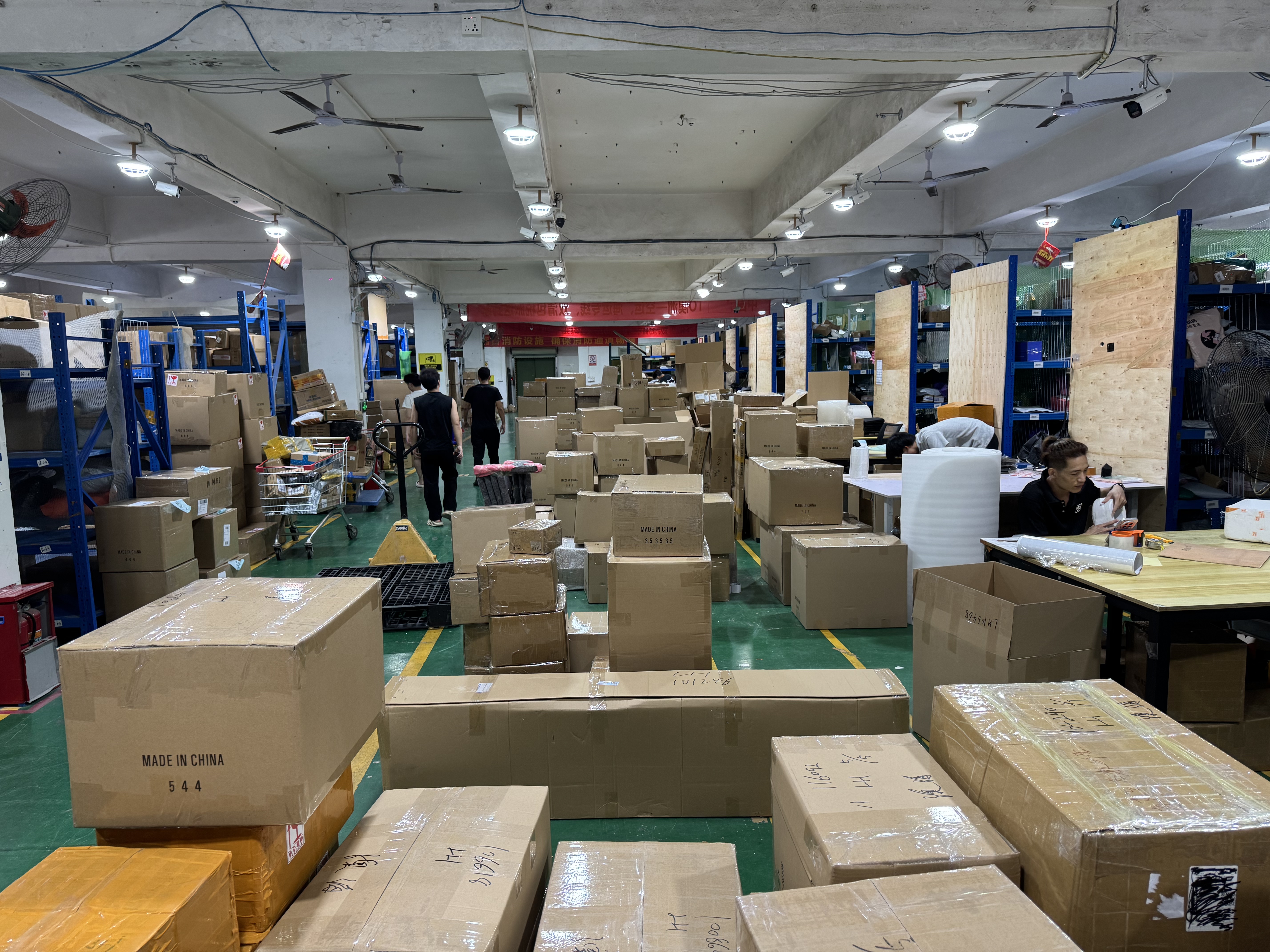
Cost - effectiveness While cost shouldn't be the only factor, it's important to get a competitive quote. [盛达国际物流] offers a transparent pricing system with no hidden fees. They also have different shipping options to suit your budget and shipment requirements.
VI. FAQ
Q: I'm a small business owner in Sydney. Can I handle the customs clearance process myself? A: Technically, you can. But given the complex 2026 Australian customs regulations, it's really challenging. I'd recommend using a professional customs broker or a logistics company like [盛达国际物流]. They have the expertise to ensure your shipment clears customs smoothly and avoid potential penalties.Q: What should I do if my shipment is held at customs? A: First, don't panic. Contact your logistics provider immediately. They will work with the customs authorities to resolve the issue. Usually, it's because of documentation errors or non - compliance with biosecurity regulations. Provide any additional information or documents as required by the customs officers as soon as possible.
Q: How can I know if my goods are subject to special biosecurity requirements? A: You can refer to the official website of the Department of Agriculture, Fisheries and Forestry (DAFF). Or, you can consult your logistics partner. [盛达国际物流] keeps up - to - date with the latest biosecurity regulations and can provide you with accurate information about your specific goods.
Q: Is it more cost - effective to use FCL or LCL for my shipment? A: It depends on the volume of your shipment. If you have a large quantity of goods that can fill a whole container, FCL is usually more cost - effective. However, if your shipment is small, LCL allows you to share the container cost with other shippers. [盛达国际物流] can help you make the right decision based on your specific shipment details.
Q: Can I trust a logistics company with my sensitive business information? A: Most reputable logistics companies, like [盛达国际物流], have strict privacy policies in place to protect your information. They understand the importance of confidentiality in international trade and take measures to ensure your data is secure. Just make sure to choose a company with a good reputation and positive customer reviews.
In light of all these factors, as you prepare your unaccompanied personal effects shipment to Australia in 2026, stay informed, plan ahead, and choose the right partners. It will help you avoid the hidden pitfalls and ensure a smooth shipping experience.
