

I. Introduction
In 2026, shipping full container loads to Canada has become a crucial part of international trade for many businesses. However, it's not without its challenges. I've seen firsthand the issues that can arise, from customs delays to unexpected costs. In this article, I'll share some valuable tips based on my years of experience in the cross - border logistics industry, specifically for full container load (FCL) shipping to Canada.
II. Understanding the 2026 Policy Updates
The Canadian Border Services Agency (CBSA) has introduced some new policies in 2026. One of the significant changes is the stricter requirements for eManifest submissions. You must submit accurate and detailed information about your cargo at least 24 hours before the vessel's arrival at a Canadian port. Failure to do so can result in fines and delays.
I remember a client in 2026 who shipped a full container of 3C electronics from China to Vancouver. They underestimated the importance of the eManifest update. The container was held at the port for nearly a week, and they had to pay a hefty fine. This incident shows how crucial it is to stay on top of the new policies.
III. Choosing the Right Shipping Line and Route
Shipping Line Selection Different shipping lines offer different levels of service, reliability, and prices. It's important to research and choose a shipping line with a good reputation for FCL shipping to Canada. For example, Maersk and CMA CGM are well - known global shipping lines that have extensive experience in handling cargo between China and Canada. They offer regular sailings and relatively stable schedules.However, some smaller shipping lines may provide more competitive prices. But you need to be cautious as their service quality might not be as consistent. In one case, a trade factory had chosen a less - known shipping line to save costs. The container was delayed by over two weeks due to the line's internal issues, which caused significant losses to the factory.
Route Consideration The route can also affect the shipping time and cost. The most common routes from China to Canada are through the Pacific Ocean. Ports like the Port of Vancouver and the Port of Montreal are major entry points for Canadian imports.
If your destination is in Western Canada, shipping to the Port of Vancouver is usually more direct. For Eastern Canada, the Port of Montreal might be a better choice. But keep in mind that the routes can also be affected by seasonal factors such as typhoons and icebergs in the ocean.
IV. Pre - shipment Preparations (In - depth Core Section)
Documentation Accurate documentation is the key to a smooth FCL shipping process. You need to prepare a bill of lading (B/L), which is a legal document that serves as evidence of the contract of carriage, receipt of goods, and title to the goods. The B/L should include details such as the shipper's and consignee's information, description of the cargo, quantity, and value.In addition, you need to provide a commercial invoice for customs valuation. The invoice should clearly state the price of the goods, any discounts, and the terms of trade (INCOTERMS 2020). For example, if you are shipping under DDP (Delivered Duty Paid), you need to indicate that all costs, including duties and taxes, are your responsibility until the goods reach the final destination in Canada.
Another important document is the packing list, which details the contents of each package in the container. This helps customs officials to inspect the cargo more efficiently.
Container Loading and Packing Proper container loading is essential to prevent damage to the cargo during transit. The container should be loaded in a way that distributes the weight evenly. For heavy or large items, such as furniture or machinery, they should be secured firmly to prevent shifting.
You also need to consider the protection of the cargo. For example, if you are shipping fragile items like glassware or electronics, you should use appropriate cushioning materials such as foam or air pillows. I once had a client who shipped a container of home goods to Toronto. Due to improper packing, a significant portion of the glassware was damaged upon arrival. This not only caused financial losses but also affected the client's business reputation.
Cargo Insurance Despite all the precautions, there is always a risk of cargo damage or loss during transit. Purchasing cargo insurance is a wise decision. Insurance policies can cover various risks, such as theft, fire, and damage caused by rough handling.
When choosing an insurance policy, you need to understand the terms and conditions clearly. Some policies may have exclusions, so it's important to select a policy that suits your specific cargo and shipping needs.
V. Customs Clearance in Canada
HS Codes Assigning the correct Harmonized System (HS) codes to your goods is crucial for customs clearance. HS codes are used by the CBSA to determine the tariff rates, import restrictions, and regulatory requirements for your cargo.Different products have different HS codes. For example, clothing items have different codes depending on their material, style, and intended use. Incorrect HS code classification can lead to over - or under - payment of duties and taxes, as well as potential customs audits.
Duties and Taxes Canada has various duties and taxes for imported goods. The most common ones are the Goods and Services Tax (GST) and the Harmonized Sales Tax (HST) in some provinces. The rate of duty depends on the type of goods and their origin.
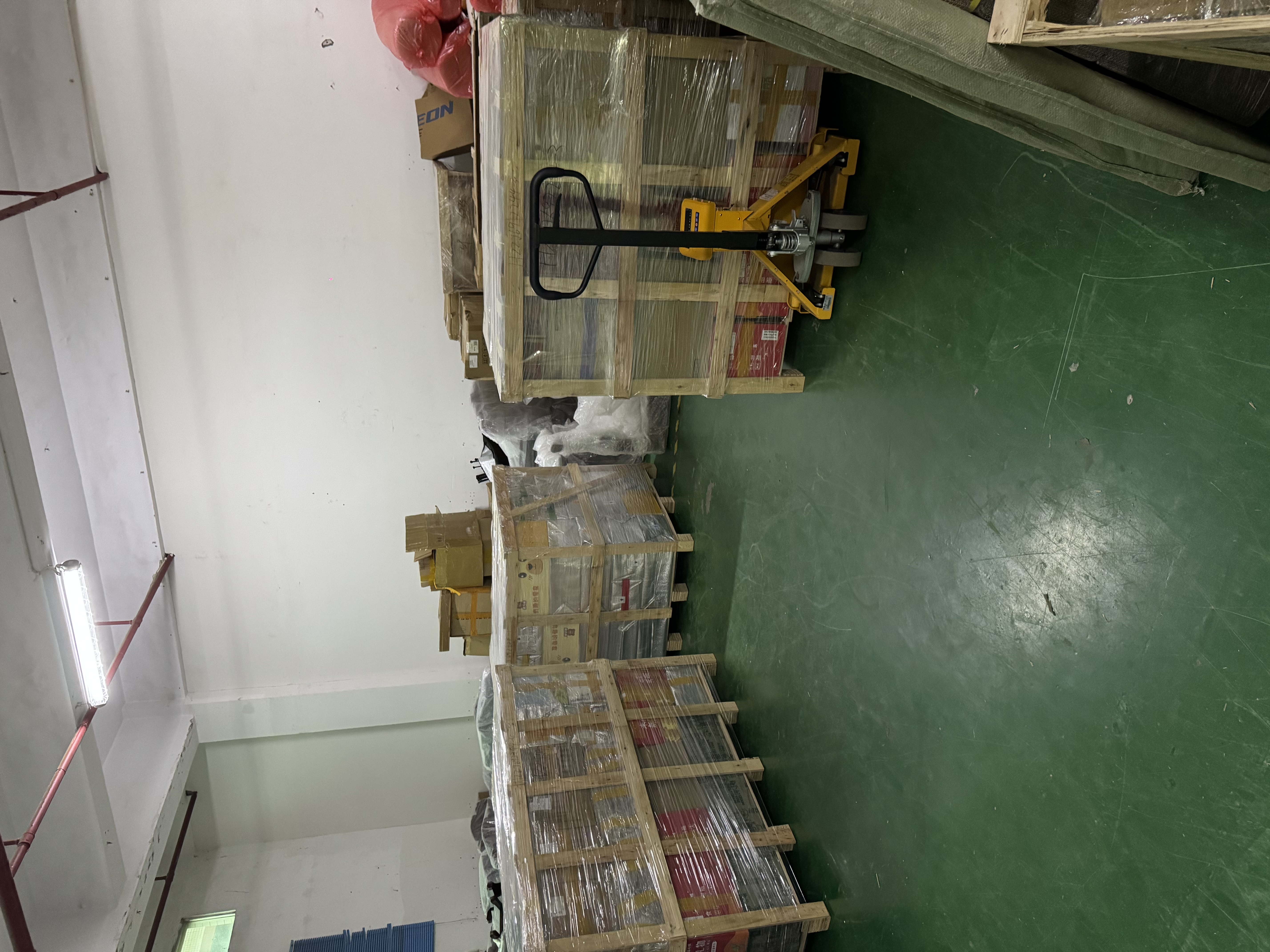
You can calculate the estimated duties and taxes using the CBSA's online tools. However, it's always a good idea to consult a customs broker to ensure accurate calculations.
VI. Post - shipment Follow - up
After the container has been shipped, it's important to keep track of its progress. Most shipping lines provide online tracking services, which allow you to monitor the location of your container in real - time. If there are any issues during transit, such as delays or damage, you need to communicate with the shipping line and the customs broker promptly. In some cases, you may need to provide additional documentation or information to resolve the problems.
VII. FAQ
What if I miss the 24 - hour eManifest submission deadline? Well, if you miss the deadline, you're likely to face some serious consequences. The CBSA can fine you, and your container may be held at the port until the issue is resolved. It's really important to make sure you submit the eManifest on time. In our company, we have a system that reminds us of these deadlines to avoid such problems.How can I choose the most cost - effective shipping line? It's not just about the price. You need to consider the shipping line's reputation, service quality, and reliability. You can look at reviews from other shippers and compare the schedules and prices of different lines. Sometimes, a slightly higher - priced line can save you a lot of trouble in the long run.
Do I really need cargo insurance? Yes, you do. Shipping involves many uncertainties, and there's always a risk of damage or loss. Cargo insurance gives you peace of mind. Even if you take all the precautions, accidents can still happen. For example, a natural disaster at sea can damage your container. Insurance can help you recover the losses.
What should I do if my cargo is held at customs? First, stay calm. Contact your customs broker immediately. They will be able to find out the reason for the hold and help you provide the necessary documentation to resolve the issue. It could be a simple problem like a missing document or an issue with the HS code classification.
Can I change the shipping route after the container has been shipped? It's very difficult to change the shipping route after the container has been shipped. Once the vessel has set sail, it follows a specific schedule and route. Changing the route would require a lot of coordination and may incur additional costs. So, it's best to plan your route carefully before shipping.
