

I. Introduction
Hey there, small business owners, importers, and e - commerce sellers in Australia! As you look into the world of Less than Container Load (LCL) Delivered Duty Paid (DDP) shipping to Canada in 2026, there are quite a few things you need to be aware of. I've been in the cross - border logistics field for a long time, and I've seen many businesses make mistakes and also achieve great success in this area. So, let's dive into the details together.
II. Key Features of LCL DDP Shipping to Canada in 2026
New Policy Landscape In 2026, there have been some notable changes in Canadian customs regulations. The Canadian Border Services Agency (CBSA) has tightened the inspections on product safety and origin declarations. For instance, home goods sellers now need to provide more detailed information about the materials used in their products and their manufacturing process. I had a client back in 2024 who shipped a batch of wooden furniture to Vancouver. Due to incomplete origin declarations, the shipment was held up at customs for roughly 14 days, incurring significant storage charges and delaying the business's sales.Additionally, there are new food safety regulations by the Canadian Food Inspection Agency (CFIA). If you're an importer of food products, you must ensure that your goods meet the strict Canadian standards. This includes proper labeling, packaging, and having the necessary certificates.
Benefits of LCL DDP for Small Businesses Cost - Efficiency: For small businesses, LCL DDP is a game - changer. Instead of paying for an entire container, you only pay for the space your goods occupy. This can save a significant amount of money, especially for businesses with lower - volume shipments. For example, 3C electronics sellers who are just starting to expand into the Canadian market can use LCL DDP to test the waters without breaking the bank.
Convenience: With DDP, the seller is responsible for all the duties, taxes, and delivery. This means that as a small business, you don't have to worry about the complex customs clearance process in Canada. The shipping provider takes care of it all, from the port of departure in China to the final destination in Canada.
III. In - Depth Look at the Shipping Process (40% of the Article)
Pre - shipment Preparation Documentation: One of the most crucial steps is to prepare the correct documents. You'll need a commercial invoice, which includes a detailed description of the goods, their value, and the quantity. The Harmonized System (HS) codes must be accurately filled in. Any errors in the HS codes can lead to misclassification and potential customs issues.Packaging: Proper packaging is essential, especially for fragile items like glassware or electronics. I once had an apparel importer who didn't pay enough attention to packaging. Some of the clothes got damaged during transit because the boxes were not sturdy enough. Make sure to use high - quality packaging materials and provide proper cushioning if needed.
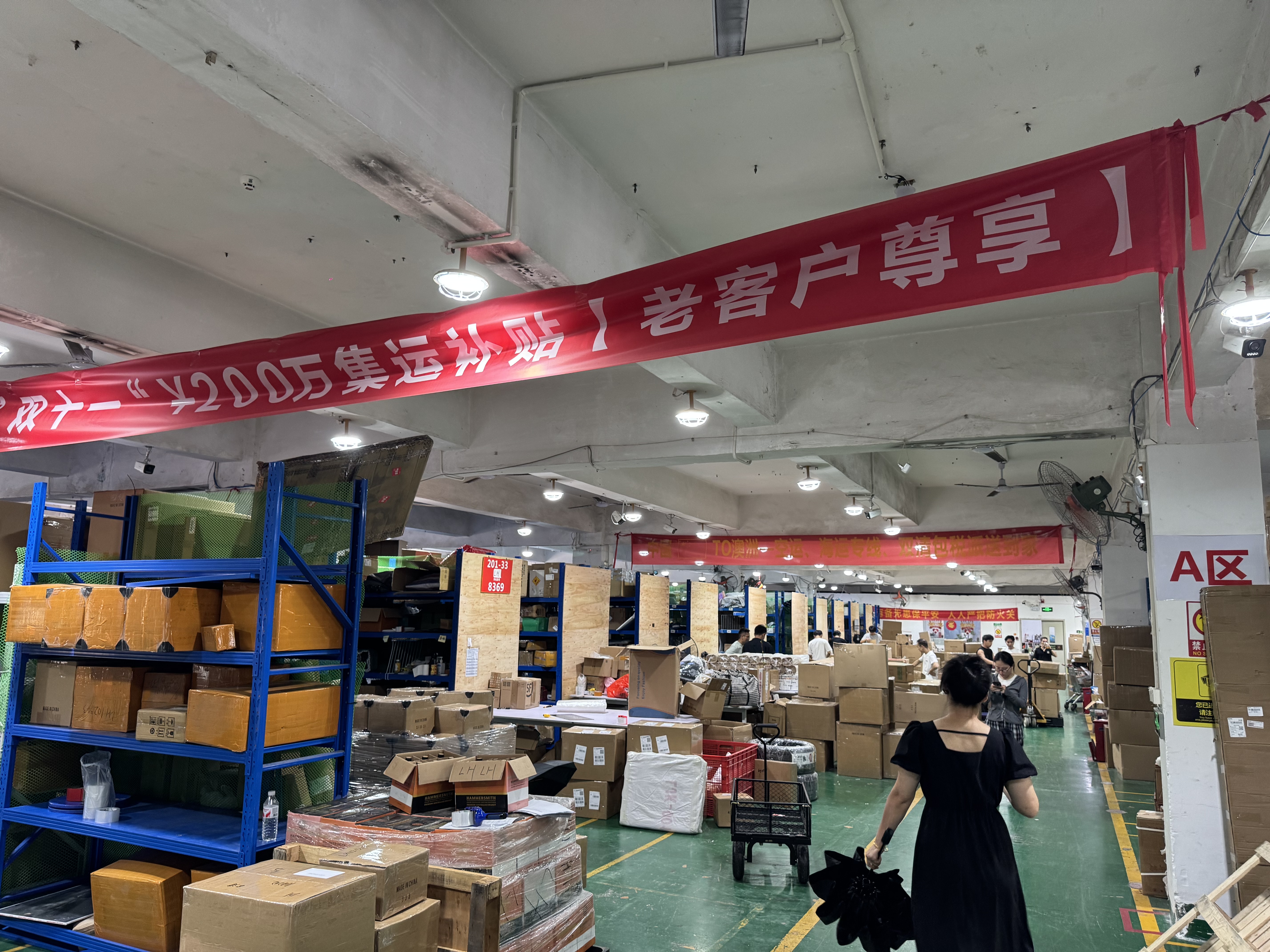
Shipping and Transit Choosing the Right Shipping Line: There are several shipping lines that offer LCL services to Canada. Some have better schedules and more frequent sailings, while others may offer more competitive prices. It's important to do your research and choose the one that best suits your needs. For example, if you're in a hurry to get your goods to the market, you might want to choose a shipping line with a faster transit time, even if it costs a bit more.
Tracking: Most shipping providers now offer online tracking services. This allows you to keep an eye on your shipment's progress throughout the journey. You can see when it leaves the port in China, when it arrives at the port of Vancouver or Montreal, and the estimated time of delivery to your warehouse in Canada.
Customs Clearance in Canada Duty and Tax Calculation: The CBSA calculates duties and taxes based on the value of the goods, their origin, and the HS codes. As mentioned earlier, accurate declaration of these details is crucial. For example, if a product is mis - valued, it can lead to under - payment or over - payment of duties and taxes.
Customs Broker: Hiring a experienced customs broker can simplify the customs clearance process. They are familiar with the Canadian customs regulations and can ensure that all the necessary documents are submitted correctly. However, make sure to choose a reliable customs broker as there are some who may charge hidden fees.
IV. Common Pitfalls and How to Avoid Them
Incorrect Documentation As I've mentioned several times, incorrect documentation can lead to serious problems. Always double - check all the information on your commercial invoice, packing list, and other relevant documents. For example, if the quantity of goods stated on the invoice is different from the actual quantity in the shipment, it can raise red flags at customs.Underestimating Transit Time Delays can occur due to various reasons such as bad weather, port congestion, or customs inspections. Always add some buffer time to your delivery schedule. For instance, if the shipping provider estimates a transit time of 20 days, plan for it to take up to 25 days to be on the safe side.
V. Best Practices for Choosing a Shipping Provider
Reputation and Experience Look for a shipping provider with a good reputation in the market. Check online reviews and ask for referrals from other businesses. A provider with experience in LCL DDP shipping to Canada will be more likely to handle any issues that may arise during the process. For example, [盛达国际物流] has a long - standing reputation in the industry. With its team of 40 - plus professionals, each having over 10 years of experience in international shipping, it can provide reliable services for LCL DDP shipping to Canada.Service Offerings Make sure the shipping provider offers a comprehensive range of services, including packaging, documentation assistance, customs clearance, and delivery. For example, [盛达国际物流] offers一站式免费增值服务 such as full - platform package collection, warehouse inspection and photography, free unpacking and consolidation, and 365 - day free long - term storage.
VI. FAQ
What is the average cost of LCL DDP shipping to Canada in 2026? Well, the cost can vary depending on many factors such as the volume of your shipment, the type of goods, and the shipping route. On average, for a small - volume shipment of around 2 - 3 cubic meters of general goods, you can expect to pay between CAD 1500 - CAD 2500, but this is just an estimate.How can I ensure my goods pass customs inspection smoothly? First, make sure all your documents are accurate and complete. Provide detailed information about the goods, their origin, and value. Second, if you're shipping sensitive goods like food or electronics, make sure they comply with Canadian regulations. hiring a professional customs broker can also greatly help in this process.
What if my shipment is delayed? Can I get a refund? It depends on the shipping provider's policy. Some providers may offer compensation for significant delays due to their negligence. For example, [盛达国际物流] has a clear policy regarding delays. If the delay is due to their operational issues, they may offer partial compensation based on the situation.
Do I need insurance for my LCL DDP shipment? It's highly recommended. While most shipping providers take precautions to ensure the safety of your goods, accidents can happen during transit. Insurance can protect you from financial losses in case of damage, loss, or theft of your goods.
How long does it usually take for an LCL DDP shipment to reach Canada from China? The transit time can range from 18 - 30 days, depending on the shipping line and the route. For example, shipments to Vancouver may take a bit less time compared to some of the more inland cities in Canada.
As you venture into LCL DDP shipping to Canada in 2026, keep these points in mind. Do your research, choose a reliable shipping provider, and stay updated on the latest regulations. With the right approach, you can make your cross - border logistics experience a smooth and successful one.
