

I. Introduction
Are you an Australian small business owner, importer, or e - commerce seller planning to ship personal effects from China to Australia via sea freight in 2026? I've been in the cross - border logistics business for years, dealing with the ins and outs of shipping between China and Australia. Let me tell you, it's not as straightforward as it might seem. There are new policies, potential pitfalls, and various shipping options to consider. In this article, I'll share my hands - on experience and give you all the essential information.
II. New Policies and Regulations in 2026
In 2026, there have been some significant updates in the Australian Border Force (ABF) and the Department of Agriculture, Fisheries and Forestry (DAFF) regulations regarding sea freight. For instance, the biosecurity checks have become even more stringent. DAFF has introduced new guidelines to prevent the entry of pests and diseases. This means that all wooden items, even if they're part of your personal effects, must have a proper phytosanitary certificate.
I remember one client back in early 2026. He was an apparel importer in Sydney. He shipped a container full of clothing racks made of wood without knowing about the new phytosanitary requirements. The container was held up at Port Botany for almost two weeks, incurring additional storage fees and causing a delay in his business operations. Eventually, he had to arrange for the necessary certification, which cost him extra time and money.
III. Shipping Options and Their Pros and Cons
1. Full Container Load (FCL)
Advantages: If you have a large volume of personal effects, FCL is a great option. It offers more security as your goods are in a dedicated container. You also have more control over the shipping schedule. For example, if you're a trade factory in China shipping a large batch of home goods to Melbourne, an FCL can ensure that your products are not mixed with other shippers' items.Disadvantages: The cost is relatively high, especially if you don't have a full container's worth of goods. You'll be responsible for paying the entire container's shipping fee, even if there's some empty space.
2. Less than Container Load (LCL)
Advantages: LCL is cost - effective for small - to - medium - sized shipments. You only pay for the space your goods occupy in the shared container. This is ideal for small business owners who are just starting out or e - commerce sellers with limited inventory.Disadvantages: There's a higher risk of damage or loss as your goods are mixed with others. Also, the shipping time can be longer due to the need to wait for the container to be filled.
IV. Cost Breakdown
The cost of sea freight to Australia in 2026 consists of several components.
| Cost Component | Description |
|---|---|
| Freight Charge | This is the basic fee for transporting the container or your share of the container. It's determined by the shipping line, the distance, and the volume or weight of your goods. For example, shipping a 20 - foot container from a major Chinese port to Port of Melbourne might cost around $2,500 - $3,000, depending on the season. |
| Terminal Handling Charges | These are fees charged by the ports at both the origin and destination for handling the container. They can range from $200 - $500 per container. |
| Customs Clearance Fees | You'll need to pay for customs clearance services. This includes the cost of preparing the necessary documents and dealing with the Australian Customs. It usually costs around $300 - $600. |
| Biosecurity Inspection Fees | As mentioned earlier, due to the stricter biosecurity regulations, there are fees for inspections. If your shipment contains items that need special attention, such as food or wooden products, the fees can be higher. |
V. Documentation Requirements
Proper documentation is crucial for a smooth sea freight process.
Bill of Lading: This is the most important document. It serves as a contract between the shipper and the carrier, and also as a receipt for the goods.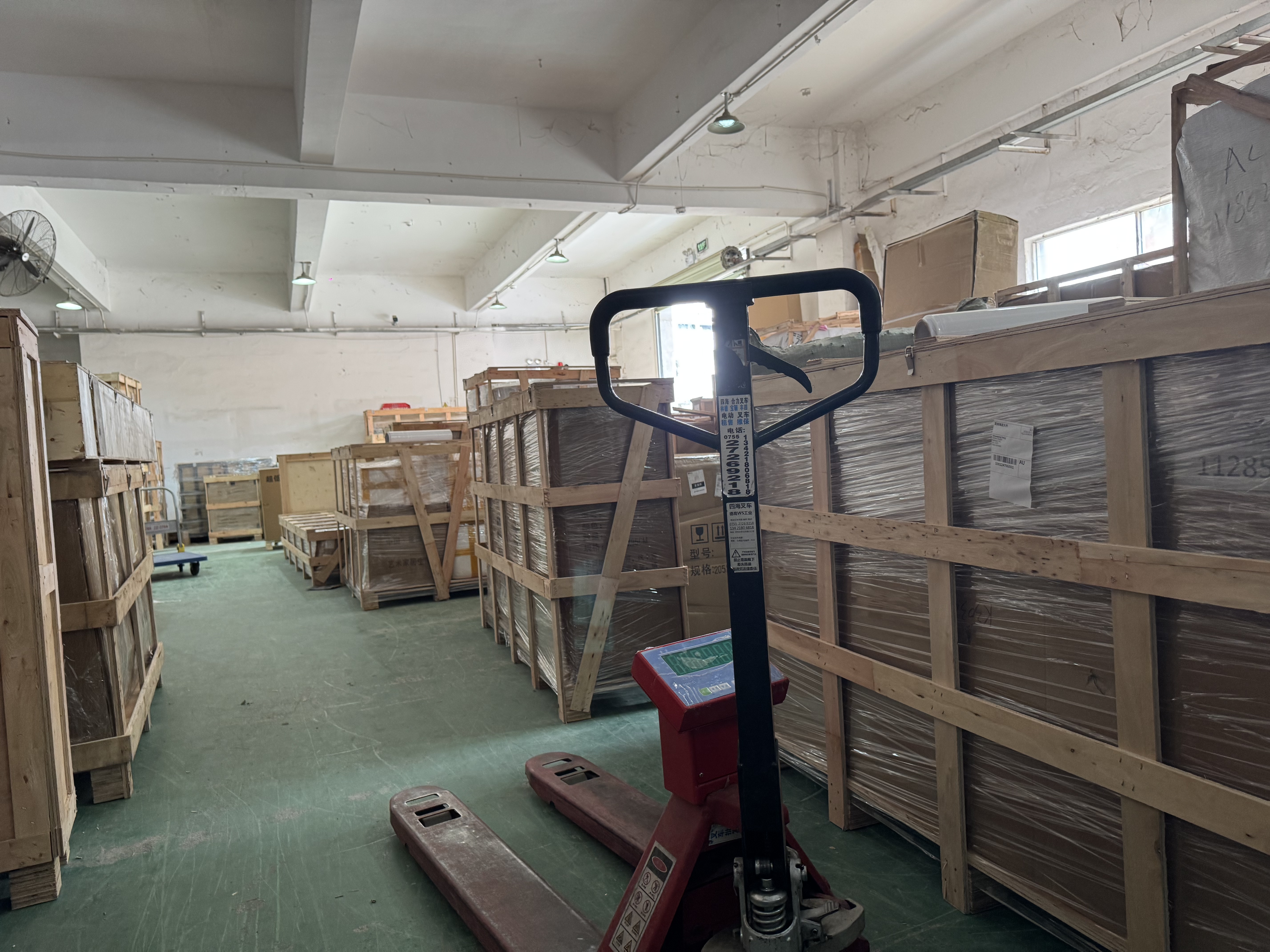
Packing List: It lists all the items in the shipment, their weights, and dimensions.
Phytosanitary Certificate: If your shipment contains wooden items, this certificate is required to prove that the wood is free from pests and diseases.
I once had a client, a 3C electronics seller in Brisbane. He didn't provide a complete packing list, and the customs had to spend extra time verifying the contents of the shipment. This led to a delay of about a week and some additional administrative fees.
VI. FAQ
Q: How long does it take for sea freight from China to Australia? A: It usually takes roughly 18 - 25 days for a direct shipment. However, if it's an LCL shipment with transshipments, it can take up to 35 days or more.Q: Can I ship food items as personal effects? A: Yes, you can, but you need to be aware of the strict biosecurity regulations. You'll have to declare all food items, and they may be subject to inspection. Some types of food may be prohibited.
Q: What if my shipment is damaged during transit? A: It's important to choose a reliable logistics provider. For example, [盛达国际物流] has a standard理赔 mechanism for damaged goods. If the damage is due to the carrier's negligence, you can file a claim.
Q: Do I need to pay duties and taxes on personal effects? A: It depends on the value and nature of the goods. There are certain exemptions for personal use items, but if the value exceeds the threshold or if the items are subject to specific duties, you'll have to pay.
Q: How can I ensure my shipment passes the biosecurity inspection? A: Make sure you declare all relevant items accurately. If you have wooden items, get the phytosanitary certificate in advance. And for food items, follow the guidelines provided by DAFF.
In 2026, shipping personal effects from China to Australia via sea freight requires a good understanding of the new policies, shipping options, costs, and documentation. By being well - informed and working with a reliable logistics partner like [盛达国际物流], you can avoid many potential problems and ensure a smooth shipping process. So, before you make your next shipment, take the time to plan and prepare properly.
