

I. Introduction
Hey there, Australian small business owners, importers, and e - commerce sellers! Shipping household goods from China to Australia seems straightforward. But trust me, after years in the cross - border logistics trenches, it's full of hidden icebergs. Insurance channels, often thought to be a safety net, can sometimes turn into a source of headaches. I remember a client back in 2024 who thought they were covered with an insurance policy when shipping a container of high - end home goods to Sydney. But when issues arose, they found themselves in a legal quagmire. So, let's dive into what to avoid in 2026 when using insurance channels for shipping household goods.
II. Common Pitfalls in Insurance for Shipping Household Goods
1. Inadequate Insurance Coverage
One of the most common mistakes is getting insurance with insufficient coverage. Many businesses look at the price and opt for the cheapest option. For example, a home goods seller in Melbourne ordered a large shipment of furniture from a Chinese factory. They chose a basic insurance policy to save costs. However, during transit, the ship encountered a storm, and a significant portion of the furniture was damaged. The insurance only covered a small fraction of the loss because it didn't account for the full value and the specific risks associated with furniture shipping, like scratches and breakage.
In 2026, with new regulations from the Australian Border Force (ABF) and the Department of Agriculture, Fisheries and Forestry (DAFF), the value of goods might be re - evaluated more strictly. This means you need to ensure your insurance covers the actual value of the goods, including any potential customs duties and taxes.
2. Ignoring Policy Exclusions
Insurance policies are full of fine print, and policy exclusions are often overlooked. Some policies might exclude damage caused by natural disasters in certain regions or damage due to improper packaging. I once had a client who shipped a batch of glassware to Brisbane. The goods were damaged during transit, but the insurance company refused to pay because the policy stated that damage due to inadequate packaging was not covered. The client assumed that the standard packaging would be sufficient, but it wasn't up to the insurance company's standards.
In 2026, be extra careful about these exclusions. With more emphasis on biosecurity, policies might also exclude damage caused by goods being held up for biosecurity inspections if the inspection is deemed a result of non - compliance on the shipper's part.
3. Delayed Claim Filing
Time is of the essence when it comes to filing insurance claims. Many businesses procrastinate and miss the claim deadline. For instance, an apparel importer in Sydney received a shipment with a significant portion of the clothes damaged. They were busy with other business matters and didn't file the claim until several weeks later. By then, the insurance company rejected the claim because it was outside the specified claim period, which is usually around 14 days from the date of delivery or discovery of damage.
In 2026, with potentially more complex shipping processes due to new policies, it's crucial to have a system in place to quickly identify damage and file claims promptly.
4. Lack of Documentation
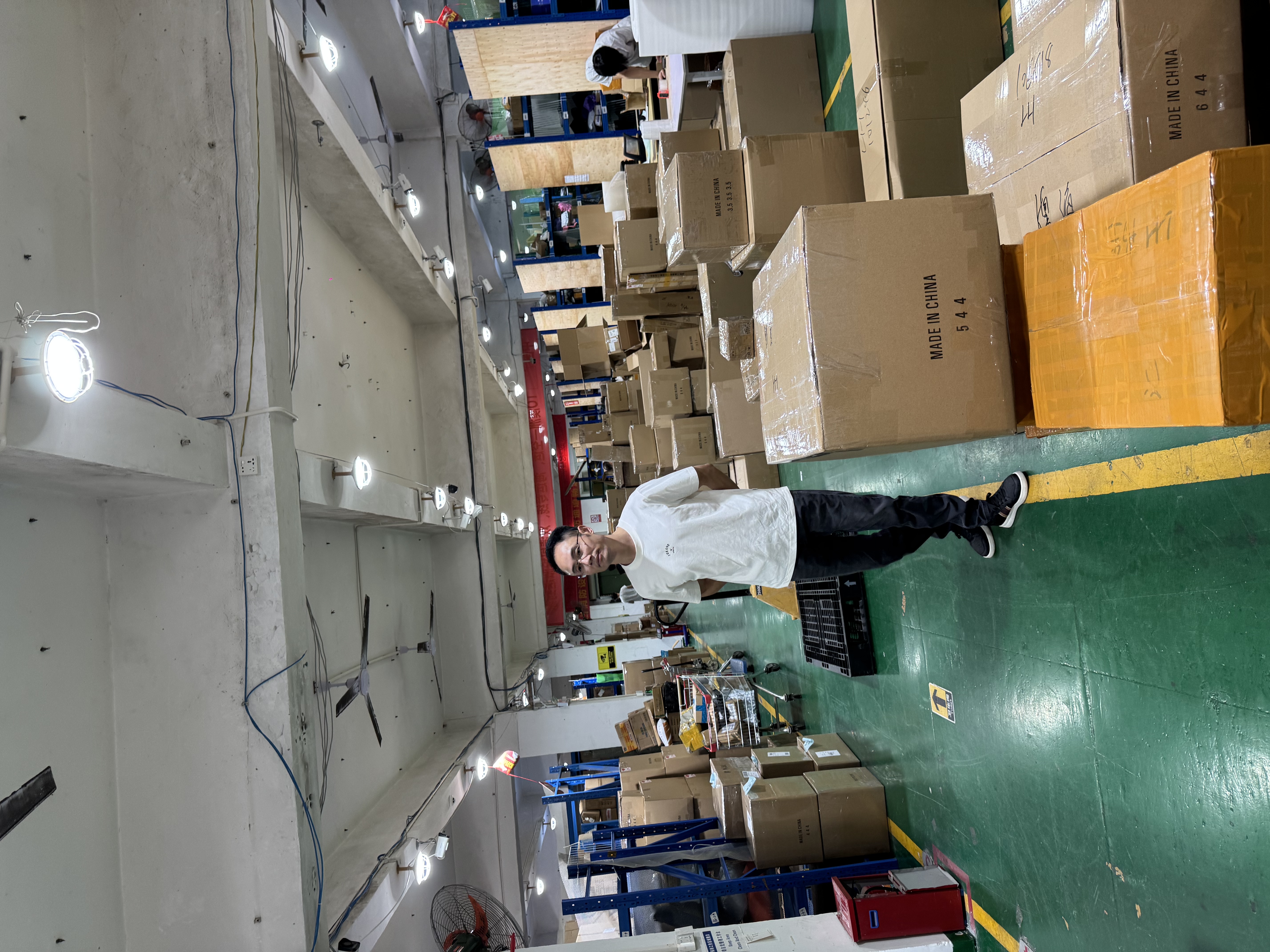
Proper documentation is the key to a successful insurance claim. You need to have detailed records of the goods, including photos before shipping, packing lists, invoices, and any inspection reports. A trade factory shipping a large quantity of home appliances to Port Botany had a problem when the goods were damaged during shipping. But they didn't have clear photos of the goods in perfect condition before shipping, and their packing list was incomplete. As a result, the insurance company had doubts about the extent of the damage and the actual value of the goods, making the claim process extremely difficult.
In the coming year, as ABF and DAFF may require more documentation for customs clearance, ensure that you also keep copies for insurance purposes.
III. The Benefits and Limitations of Insurance Channels
1. Benefits
Financial Security: Insurance provides a safety net in case of loss or damage to your goods. It can help you recoup your losses and keep your business running smoothly. For example, if a 3C electronics seller in Melbourne has a shipment of smartphones damaged in transit, insurance can cover the cost of the damaged goods.Peace of Mind: Knowing that your goods are insured gives you the confidence to engage in international trade. You don't have to worry as much about the potential risks associated with shipping.
2. Limitations
Cost: Insurance premiums can be a significant expense for small businesses. High - value goods or those with a higher risk of damage will attract higher premiums.Complexity: Insurance policies are often complex and difficult to understand. The claim process can be time - consuming and frustrating, especially when dealing with insurance companies based overseas.
IV. How to Choose the Right Insurance for Shipping Household Goods
1. Assess Your Needs
Evaluate the value of your goods, the nature of the goods (e.g., fragile items need more comprehensive coverage), and the shipping route. For example, if you're shipping antique furniture from China to Sydney, you'll need a policy that specifically covers antiques and the risks associated with long - distance shipping.Consider the potential risks along the shipping route, such as piracy in certain areas or adverse weather conditions.
2. Compare Insurance Providers
Look at different insurance companies and their policies. Check their reputation, financial stability, and claim settlement history. You can also ask for recommendations from other businesses in the industry.Compare the coverage, premiums, and exclusions of different policies. Don't just focus on the price; make sure you're getting the right coverage for your needs.
3. Read the Fine Print
Carefully read the policy document before signing up. Pay attention to the exclusions, claim procedures, and any special conditions. If there's anything you don't understand, ask for clarification from the insurance provider.V. FAQ
Q: How can I ensure my insurance claim is approved? A: Make sure you have accurate and detailed documentation, file the claim within the specified time frame, and comply with all the terms and conditions of the insurance policy. Also, choose a reputable insurance provider.Q: Can I get insurance for damaged goods that have already been shipped? A: Usually, it's difficult to get insurance for goods that are already in transit or have been delivered and found damaged. Insurance should be arranged before the goods are shipped.
Q: What if the insurance company disputes my claim? A: Keep all your documentation in order. If there's a dispute, you can try to negotiate with the insurance company. If that doesn't work, you may consider seeking legal advice.
Q: Does my existing business insurance cover international shipping? A: It depends on your business insurance policy. Many standard business insurance policies do not cover the risks associated with international shipping. You'll likely need a separate shipping insurance policy.
Q: How can I reduce my insurance premiums? A: You can reduce premiums by improving your packaging to reduce the risk of damage, choosing a less risky shipping route, and having a good claims history.
In 2026, being aware of these pitfalls and doing your due diligence when it comes to shipping insurance for household goods will help you avoid costly mistakes and keep your business on track. Stay vigilant and informed!
