

I. Introduction
Shipping heavy furniture to Canada might seem like a straightforward task, but it's fraught with potential pitfalls. In 2026, new policies and long - standing industry challenges can make this process difficult. As someone with hands - on experience in cross - border logistics between China and Canada, I've seen many clients run into issues. Let me share some common mistakes and how to steer clear of them.
II. Incorrect Packaging
The Problem I once had a client in 2024 who was shipping a set of antique wooden furniture to Vancouver. The packaging was sub - standard. They used thin cardboard and minimal padding. During transit, the furniture suffered significant damage. The legs of a table were broken, and the surface of a cabinet had scratches. This not only led to financial loss but also a huge disappointment for the client.The Solution For heavy furniture, use high - quality materials. Plywood crates are great for large items like wardrobes. Wrap delicate parts in bubble wrap or foam. If it's a wooden piece, consider applying a layer of protective film. For furniture with sharp edges or corners, add corner protectors.
III. Inadequate Documentation
The Problem A trade factory in China wanted to ship a batch of modern office furniture to Toronto last year. They didn't provide all the necessary documents accurately. The Bill of Lading had incorrect product descriptions, and they forgot to include the Certificate of Origin. As a result, the shipment was held up at the Port of Vancouver for roughly 14 days. This delay cost the factory a lot in terms of storage fees and missed delivery deadlines.The Solution Ensure you have a detailed Bill of Lading with accurate furniture descriptions, quantities, and weights. The Certificate of Origin is crucial as it determines the tariff rates. Also, include a packing list that shows the contents of each package. And don't forget to get the necessary import permits, especially for items made of certain materials like ivory - like substitutes or endangered wood species.
IV. Ignoring 2026 Canadian Customs Regulations
The Problem In the new year of 2026, there have been some changes in Canadian customs regulations, especially regarding wooden furniture. A home goods seller didn't keep up with these changes. They shipped a batch of untreated wooden chairs to Montreal. The Canadian Food Inspection Agency (CFIA) detected that the wood was not properly fumigated or sanitized. All the chairs were quarantined, and the seller had to pay extra fees for treatment.The Solution Stay updated with the latest customs regulations. For wooden furniture, it usually needs to be fumigated or heat - treated to prevent pests from entering the country. Check the Harmonized System (HS) codes for your furniture to ensure accurate classification and proper duty payment.
V. Choosing the Wrong Shipping Company
The Problem An apparel importer decided to ship some large display cabinets to Calgary using a cheap, inexperienced shipping company. The company didn't have a good track record in handling heavy items. The cabinets were damaged during loading and unloading, and the delivery was delayed by almost three weeks. The importer lost a lot of business during the waiting period.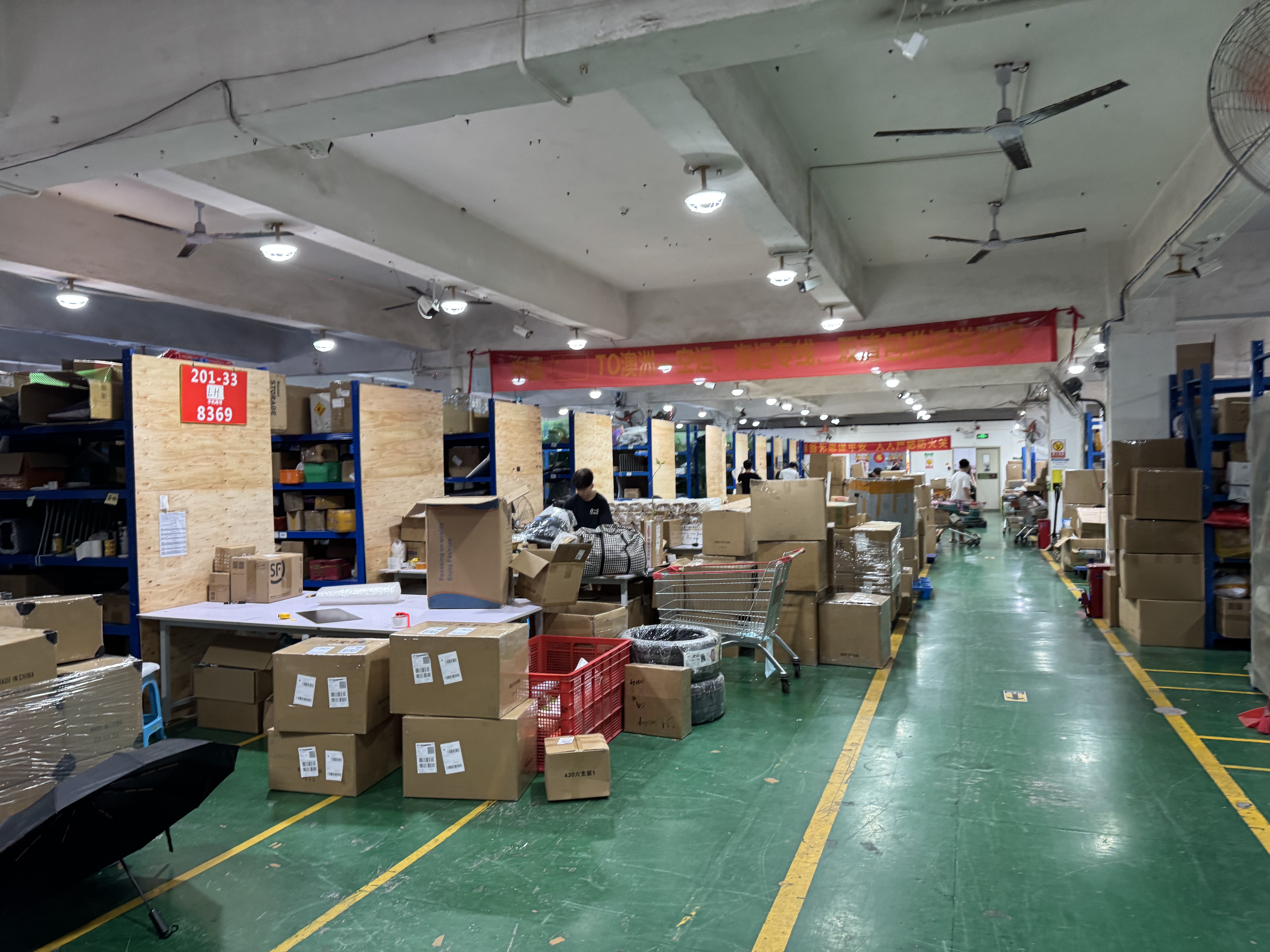
The Solution Look for a shipping company with experience in handling heavy furniture. Check their reviews and customer testimonials. A good company will have a proper handling process, trained staff, and insurance options. For example, [盛达国际物流] has a dedicated service for shipping heavy furniture to Canada. They offer cubic - based计费 mode, which can reduce the cost of transporting large items. They also provide services like wooden fumigation and multi - layer shock - proof protection.
VI. Not Calculating Costs Properly
The Problem A 3C electronics seller planned to ship some large storage cabinets to Vancouver. They only considered the basic shipping fees and didn't account for other costs like customs duties, taxes, and potential storage fees. When the shipment arrived in Canada, they were shocked by the additional expenses, which ate into their profit margins significantly.The Solution Before shipping, calculate all possible costs. Get an estimate from your shipping company, including freight, customs clearance fees, and duties. Factor in potential storage fees if there are any delays. Make sure you understand the Incoterms (International Commercial Terms) clearly so that you know your responsibilities in terms of costs and risks.
VII. FAQ
Q: How can I confirm if my furniture needs special treatment before shipping to Canada? A: You can check the official website of the Canadian Food Inspection Agency (CFIA). They have detailed information on the requirements for different types of furniture materials. Also, you can consult your shipping agent; they're usually quite familiar with these regulations.Q: What if my furniture is damaged during transit? A: If you choose a reliable shipping company like [盛达国际物流], they have a standard damage and loss compensation mechanism. Make sure to document the damage as soon as possible upon receipt. Take photos and report the issue to the shipping company immediately. They'll guide you through the compensation process.
Q: Can I ship second - hand furniture to Canada? A: Yes, you can, but there are some additional requirements. Second - hand furniture may need to be thoroughly cleaned to meet Canadian health and safety standards. You'll also need to provide accurate descriptions and values for customs purposes.
Q: How long does it usually take to ship heavy furniture from China to Canada? A: It depends on the shipping method. By sea, it usually takes about 25 - 35 days, but it can be delayed due to various factors like bad weather or port congestion. Air freight is much faster, around 7 - 12 days, but it's more expensive.
In summary, shipping heavy furniture to Canada in 2026 requires careful planning and attention to detail. Avoid these common mistakes, stay informed about regulations, and choose a reliable shipping partner to ensure a smooth and successful shipping process.
