

I. Introduction
In 2026, the China - Australia cross - border e - commerce and shopping forwarding service is booming. However, there are numerous pitfalls that Australian small business owners, importers, and e - commerce sellers need to be aware of. I've been in the cross - border logistics industry for years, dealing with countless cases. Let me share some real - life problems and how to avoid them.
II. Common Pitfalls in China - Australia Shopping Forwarding Service
1. Hidden Costs
Many forwarders lure customers with low initial quotes but then hit them with hidden costs. For example, handling fees, storage fees for longer - than - expected warehousing, and inspection fees can all add up. I recall a 3C electronics seller in Sydney who used a forwarding service. The initial quote seemed reasonable, but by the end of the process, unexpected fees increased the overall cost by nearly 30%.
Customs Clearance Fees: Sometimes, forwarders may not clearly state all the customs - related charges. New regulations in 2026 by the Australian Border Force (ABF) have led to more complex assessment methods for customs duties. If you're not careful, you could end up paying more than expected.Local Delivery Surcharges: In some Australian cities, especially in remote areas like parts of Brisbane, there may be local delivery surcharges. Forwarders might not inform you about these until the last minute.
2. Inaccurate Delivery Times
Time is money in the business world. Forwarders often promise quick delivery but fail to meet the deadlines. An apparel importer in Melbourne once entrusted a forwarding service to bring in a new season's clothing line. The promised delivery time was 14 days, but due to multiple reasons such as shipping congestion and issues at ports like Port of Melbourne, the shipment arrived 21 days later. This led to missed sales opportunities and a loss of customer trust.
Shipping Delays: Shipping routes from China to Australia can be affected by various factors, including bad weather, mechanical problems with ships, and port congestion. In 2026, new international shipping regulations have also added some complexity to the schedules.Customs Clearance Delays: The ABF has tightened its inspection procedures for bio - security reasons. Products like home goods that may contain natural materials are more likely to be held up for inspection, causing delays in delivery.
3. Inadequate Packaging and Handling
Improper packaging can lead to damage during transit. A home goods seller from Sydney imported a batch of fragile decorative items. The forwarding service did not use sufficient padding and protective materials, resulting in over 20% of the goods being damaged upon arrival.
Compliance with Bio - security Requirements: In addition to physical protection, packaging must also comply with Australia's bio - security requirements. For example, wooden packaging materials need to be properly treated and labeled to avoid rejection at the border. The Department of Agriculture, Fisheries and Forestry (DAFF) has been more vigilant in 2026 regarding these issues.4. Poor Customer Service
When problems occur during the forwarding process, poor customer service can make the situation even worse. A trade factory in Brisbane once had a shipment misrouted. When they tried to contact the forwarding service for help, they faced long waiting times on the phone, unresponsive emails, and lack of clear solutions from the customer service representatives.
Lack of Update Information: Forwarding services should regularly update customers on the status of their shipments. However, some may not provide real - time or accurate information, leaving customers in the dark.III. How to Avoid These Pitfalls
1. Research and Choose a Reputable Forwarder
Look for forwarders with a good track record. Check online reviews, ask for referrals from other business owners in your network, and ensure the forwarder has the necessary licenses and approvals. For example, a company like Shengda International Logistics has a team of professionals with over 10 years of experience in cross - border logistics. They handle shipments from China to Australia efficiently and are well - versed in the 2026 policies.Conduct an in - depth interview with the forwarder. Ask about their service scope, pricing structure, and how they handle potential problems such as delays and damages.
2. Get a Detailed Quote
Request a detailed breakdown of all costs from the start. Make sure you understand what is included in the quote and what additional charges may apply. Have the forwarder sign off on the quote to avoid any disputes later.Compare quotes from multiple forwarders, but don't just go for the lowest price. Consider the quality of service and the ability to handle your specific needs.
3. Set Clear Delivery Goals and Contracts
Clearly define the expected delivery time in the contract with the forwarder. Include penalties for late delivery to ensure they take the commitment seriously.Specify the requirements for packaging and handling in the contract. For example, if you're shipping delicate items, require the forwarder to use high - quality protective materials.
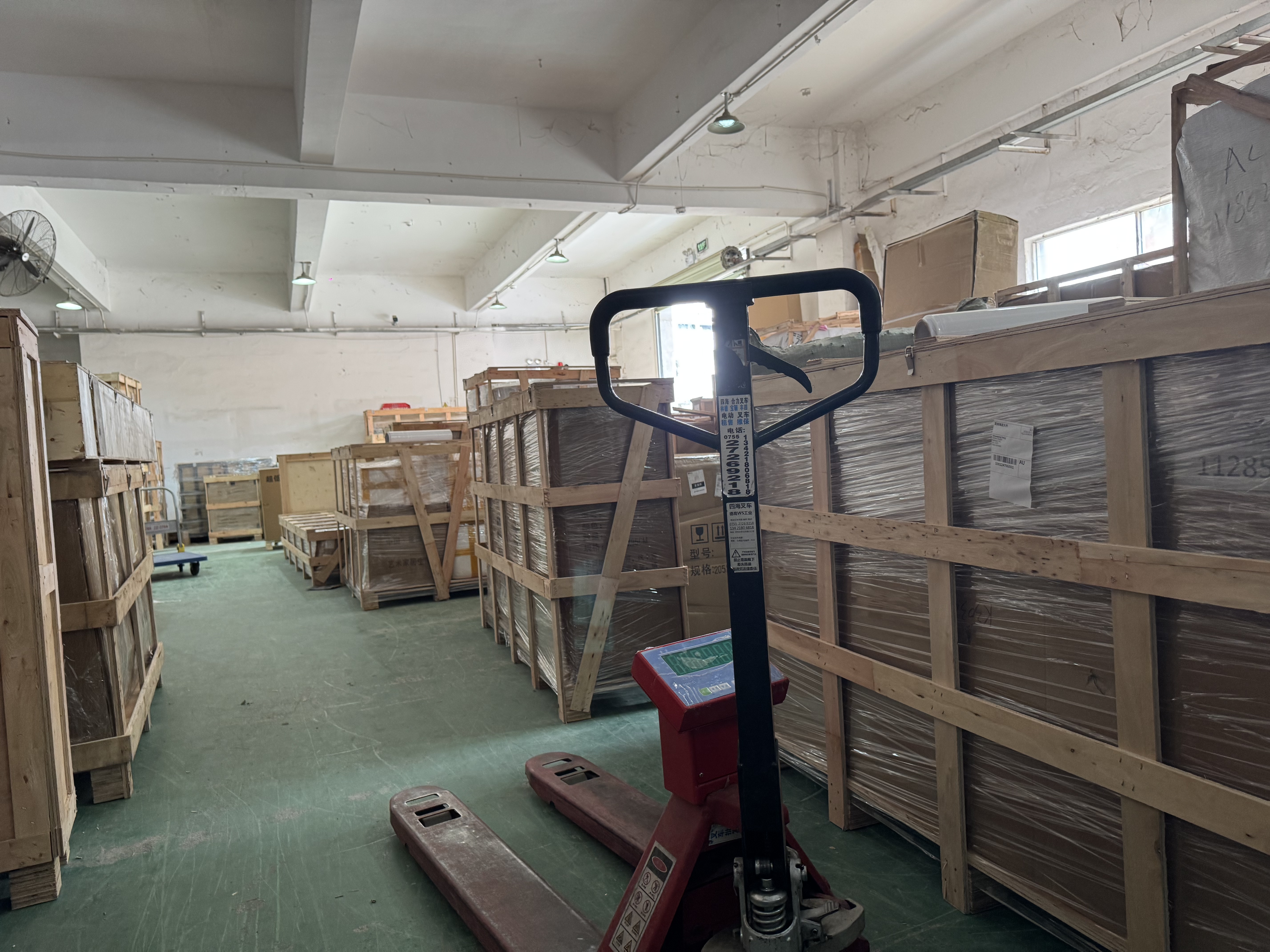
4. Monitor the Shipment
Use the tracking system provided by the forwarder to monitor your shipment regularly. If you notice any unexpected delays or issues, contact the forwarder immediately.Stay informed about the latest industry news and regulatory changes, especially those related to customs and bio - security. This will help you anticipate potential problems and communicate more effectively with the forwarder.
IV. FAQ
How do I know if a forwarder is reliable? Well, you can start by checking their online reviews and ratings. Reach out to other business owners in your industry who have used their services. A reliable forwarder will have proper licenses and approvals, and they'll be transparent about their pricing and service scope. For example, Shengda International Logistics has a good reputation because of its professional team and years of experience in handling China - Australia shipments.
What should I do if my shipment is delayed? First, check the tracking information and see if there are any updates. Then, contact the forwarder right away. Ask for a detailed explanation of the delay and a new estimated delivery time. If the delay is due to the forwarder's mistake, refer to the contract and see if there are any penalties that can be applied.
Can I ship sensitive goods like food and cosmetics from China to Australia? Yes, you can, but it's a bit more complicated. You need to use a forwarder with a dedicated compliance申报 channel, like Shengda International Logistics. They have expertise in handling these types of goods and can help you navigate the strict bio - security and customs regulations in Australia.
How can I reduce the risk of hidden costs? Get a detailed quote from the forwarder at the beginning. Make sure it includes all possible costs, such as customs fees, local delivery charges, and any handling fees. Have them explain any unclear items in the quote. Also, review the contract carefully before signing to ensure there are no ambiguous terms regarding costs.
What if my goods are damaged during transit? Contact the forwarder as soon as you discover the damage. Provide them with photos and a detailed description of the damage. Check the contract for the forwarder's liability and the process for filing a claim. Reputable forwarders, like Shengda International Logistics, have a proper claims and compensation mechanism in place.
