

I. Introduction
Hey there, Australian small business owners, importers, and e - commerce sellers! As someone with years of hands - on experience in cross - border logistics between China and Australia (and a good deal of insight into the China - Canada route too), I understand your pain points. In 2026, Chinese exporters shipping household goods to Canada face a unique set of challenges and opportunities. I've seen firsthand how the wrong shipping choices can lead to sky - high costs, long delays, or even damaged goods. So, let's dive in and explore the best ways to handle this process.
II. Current Situation of China - Canada Cross - border Logistics in 2026
In 2026, there have been several significant changes in China - Canada cross - border logistics. The Canadian Border Services Agency (CBSA) has tightened its inspection procedures, especially for household goods, which may contain various materials and items. There's also been an increase in demand for faster shipping due to the growth of e - commerce.
I remember a client back in 2024 who was shipping a large quantity of home goods from China to Vancouver. They used a less - experienced shipping agent, and the goods got held up at the Canadian border for almost two weeks because of improper documentation. This not only caused a huge delay in restocking for their business but also led to additional storage fees.
III. Shipping Options and Their Analysis
1. Air Freight
Advantages:
Speed: Air freight is incredibly fast. For urgent orders or high - value, lightweight household goods like delicate glassware or high - end electronics, it can get your products from China to Canadian cities like Toronto or Montreal in about 7 - 12 days.Safety: Airlines generally have strict handling procedures, reducing the risk of damage to your goods.
Disadvantages:
Cost: It's significantly more expensive than other shipping methods. For large - scale shipments of household goods, the cost can be a major deterrent. For example, shipping a cubic meter of household items by air can cost around $20 - $50 more than by sea.2. Ocean Freight
a. Full Container Load (FCL)
Advantages: Exclusive Use: When you use FCL, you have the whole container to yourself. This is ideal for large - scale shipments of household goods, such as furniture wholesalers or big retailers. It minimizes the risk of damage from other shippers' goods.Efficiency: Once the container is on board the ship, the transit is usually smooth. The shipping time from major Chinese ports to Vancouver is roughly 14 - 18 days.
Disadvantages: High Minimum Volume: You need to have enough goods to fill a container. If your shipment is small, it can be cost - inefficient.
Longer Lead Time: Compared to air freight, it takes longer. There's also a risk of delays due to weather conditions or port congestion.
b. Less than Container Load (LCL)
Advantages: Cost - effective for Small Shipments: If you don't have enough goods to fill a container, LCL allows you to share the container with other shippers, reducing your costs.Flexibility: It's suitable for small business owners who want to test the Canadian market with a limited quantity of household goods.
Disadvantages: Handling Risks: Since the goods are shared in a container, there's a higher risk of damage during loading and unloading.
Complexity: The shipping process is more complex as it involves consolidation and de - consolidation at both ends.
IV. Choosing the Right Shipping Provider
This is the most crucial part and takes up about 40% of this article because a wrong choice here can lead to a lot of headaches.
1. Experience and Reputation
Look for a shipping provider with a long - standing experience in China - Canada cross - border logistics. Check online reviews and ask for references from other businesses. A company like Shengda International Logistics has been in the market for a while and has a proven track record of handling household goods shipments.
I once worked with a new shipping provider that was offering very low prices. My client imported a consignment of home decorations from China to Calgary. The provider was inexperienced, and the goods were mislabeled. As a result, the shipment was held at customs, and my client had to pay hefty fines.
2. Service Range
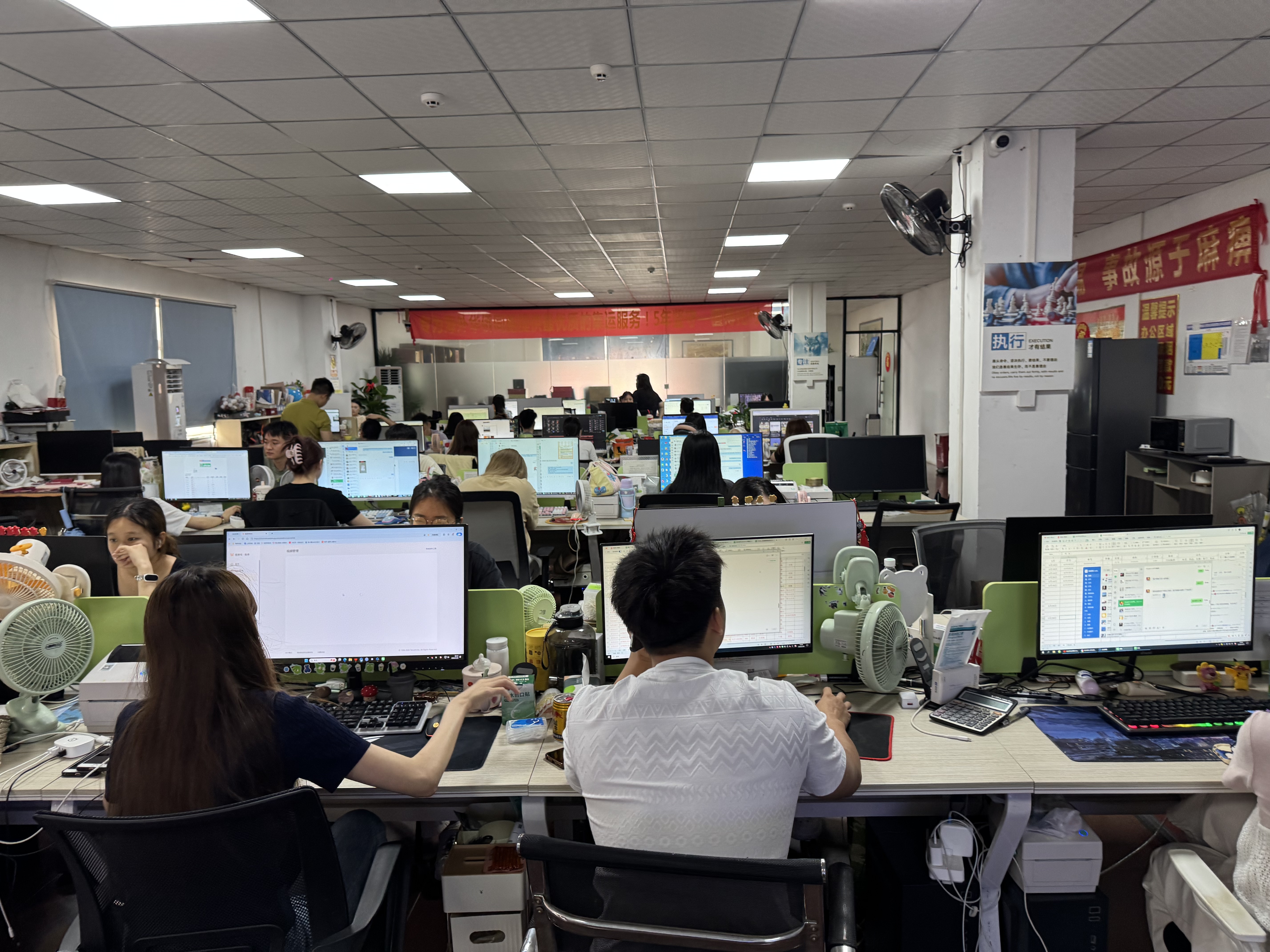
A good shipping provider should offer a comprehensive range of services. This includes customs clearance, documentation processing, and last - mile delivery. Shengda International Logistics, for example, provides一站式免费增值服务, such as full - platform parcel collection, warehouse inspection and photography, free unpacking, and re - packing to streamline the package.
3. Pricing Transparency
Avoid providers with hidden fees. All costs, including shipping, customs duties, and handling fees, should be clearly stated upfront. Shengda International Logistics adopts a one - price - all - included model, with all fees like freight, customs clearance fees, taxes, and delivery fees clearly listed.
4. Logistics Tracking System
In today's digital age, a reliable logistics tracking system is a must. You should be able to track your shipment from the moment it leaves China until it reaches its destination in Canada. Shengda International Logistics has a self - developed intelligent shipping system that can update real - time information on all logistics nodes.
V. Documentation and Customs Clearance
When shipping household goods from China to Canada, proper documentation is key to a smooth customs clearance process.
1. Required Documents
Commercial Invoice: This should include a detailed description of the goods, their quantity, value, and origin.Packing List: It shows how the goods are packed and the contents of each package.
Bill of Lading or Air Waybill: This is the contract between the shipper and the carrier.
2. Customs Regulations
The CBSA has strict regulations regarding the import of household goods. For example, some items may require special permits, such as certain types of wood products due to pest control regulations. It's important to work with a shipping provider who understands these regulations well, like Shengda International Logistics, which has a professional team to handle customs clearance.
VI. FAQ
Q1: How can I minimize the risk of damage to my household goods during shipping? A: Well, choosing the right shipping method and packing is crucial. For air freight, the handling is generally more careful. If you choose ocean freight, proper packing, like using shock - absorbing materials for fragile items, can help. Also, working with an experienced shipping provider like Shengda International Logistics that offers services like wooden frame reinforcement and multi - layer shock - proof protection for large items can greatly reduce the risk.
Q2: What if my shipment is delayed at the Canadian border? A: Delays can happen due to various reasons, such as customs inspections or incomplete documentation. A good shipping provider will keep you informed about the situation. For example, Shengda International Logistics has a team to deal with such issues. They can help you provide the necessary additional documents or communicate with the customs to speed up the process as much as possible.
Q3: Is it necessary to purchase cargo insurance? A: It's highly recommended. Shipping involves many uncertainties, and cargo insurance can protect you from financial losses in case of damage, loss, or theft of your goods. Shengda International Logistics can assist you in purchasing suitable cargo insurance according to your shipment value.
Q4: Can I combine different types of household goods in one shipment? A: Yes, you can, but it's important to ensure that all items comply with Canadian customs regulations. Some items may have special restrictions or requirements. Your shipping provider should be able to guide you on this. For instance, Shengda International Logistics has a professional team that can help you assess if different items can be shipped together.
Q5: How long does it usually take to get my household goods from China to Canada? A: It depends on the shipping method. Air freight can take about 7 - 12 days, while ocean freight can take 14 - 35 days approximately. FCL may have a more stable transit time, while LCL might take a bit longer due to the additional handling processes. However, unexpected delays like bad weather or port congestion can also affect the actual delivery time.
