

I. Introduction
Hey there, Australian small business owners, importers, and e - commerce sellers! You might be wondering what 2026 has in store for duty - paid shipping from China to Australia. I've been in the cross - border logistics front - line for years, and let me tell you, it's a wild ride. There are so many changes and challenges, especially with the 2026 Australian ABF (Australian Border Force) new policies. I remember once I had a client back in 2024 who was an apparel importer in Sydney. He didn't know some of the new regulations and his shipment got held up at Port Botany for weeks. That's a loss in time and money! So, let's dive into the secrets of duty - paid shipping this year.
II. The Basics of Duty - Paid Shipping
Understanding Duty and Taxes When shipping from China to Australia, you'll encounter different types of duties and taxes. The main ones are customs duty, goods and services tax (GST), and sometimes excise duty. Customs duty depends on the HS (Harmonized System) code of your goods. For example, 3C electronics usually have a different duty rate compared to home goods. The Australian Border Force determines these rates, and it's constantly updated.In 2026, there have been some slight adjustments to the duty - free thresholds. As of now, if the value of your goods is below AUD 1,000, you may be exempt from paying customs duty, but GST still applies. It's crucial to accurately declare the value of your goods. I once had a 3C electronics seller in Melbourne who under - declared the value to avoid duty. The ABF caught it, and he not only had to pay the full duty and a fine but also faced delays in getting his goods released.
INCOTERMS 2020 in Duty - Paid Shipping INCOTERMS (International Commercial Terms) define the responsibilities of buyers and sellers in international trade. For duty - paid shipping from China to Australia, DDP (Delivered Duty Paid) is a common term. Under DDP, the seller is responsible for all costs and risks until the goods are delivered to the buyer at the agreed destination in Australia. This includes paying the duties, taxes, and handling all customs clearance procedures.
However, using DDP also means that the seller needs to have a good understanding of the Australian customs regulations. A home goods seller from a trade factory in China once used DDP for a shipment to Brisbane. He miscalculated the GST amount and had to pay an additional sum when the goods arrived at the port, causing some financial stress.
III. The Core: Navigating the 2026 Australian ABF New Policies (40% of the content)
Biosecurity Updates The Department of Agriculture, Fisheries and Forestry (DAFF) has tightened biosecurity regulations this year. Many products from China, especially those made of wood, plant materials, or that may contain soil, need to go through strict inspections. For instance, wooden home goods need to be properly treated and have the necessary certificates.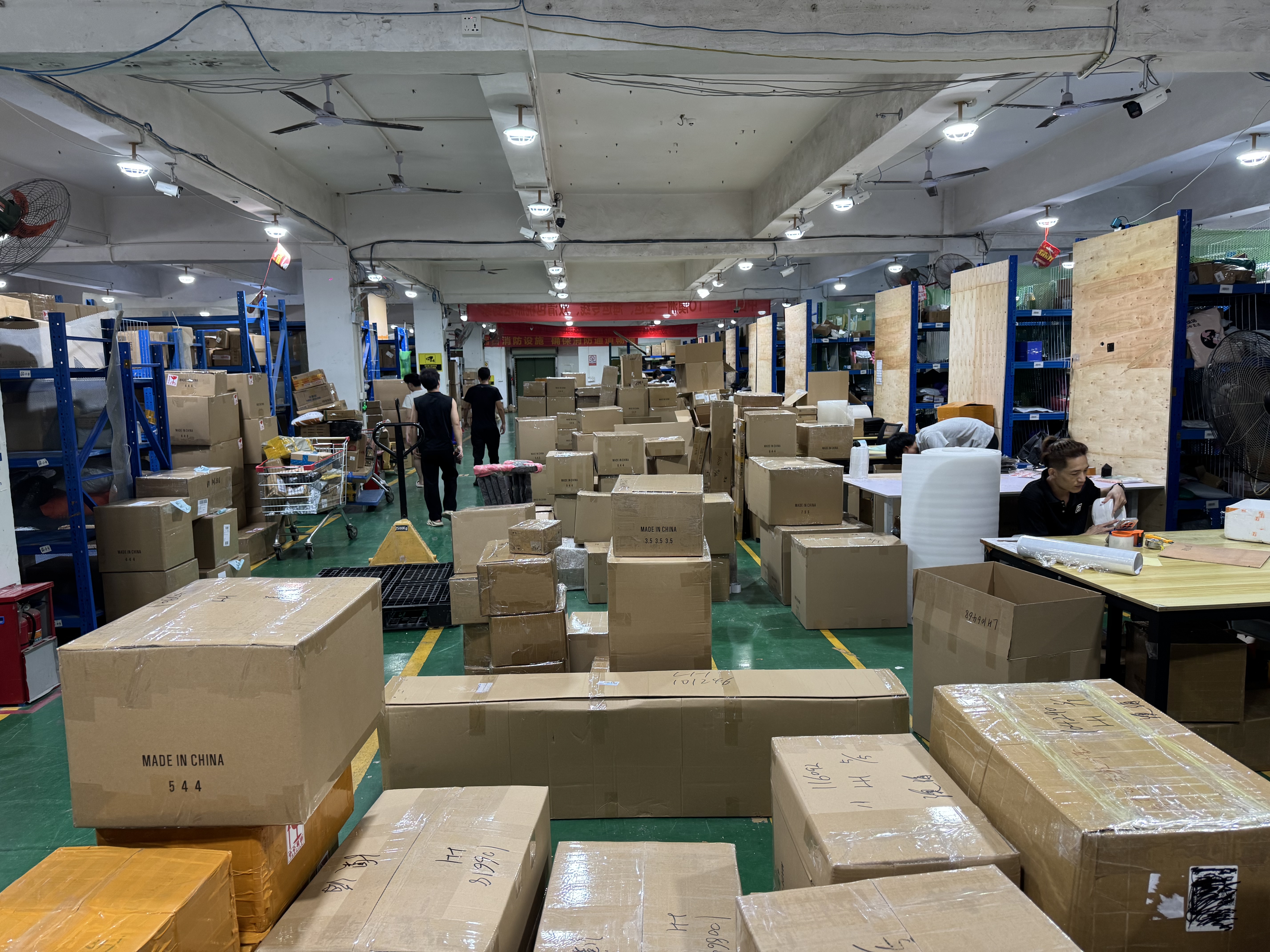
Documentation and Declarations In 2026, the ABF requires more detailed and accurate documentation. You need to provide a commercial invoice, packing list, bill of lading, and any relevant certificates. The commercial invoice should clearly state the description, quantity, value, and HS code of each item in the shipment.
A 3C electronics seller in Sydney once submitted an invoice with incomplete descriptions. The ABF couldn't accurately classify the goods according to the HS code, and the shipment was put on hold for further investigation. It took about 7 days to resolve the issue, which caused delays in getting the products to the market.
Customs Valuation Changes The ABF has updated its customs valuation methods. They are now more strict about ensuring that the declared value of goods reflects the true market value. If your declared value is significantly lower than the market average, they may initiate a valuation review.
A trade factory exporting home goods had a shipment where they declared a lower value to save on duty. The ABF conducted a valuation review, and after comparing with similar products in the market, they determined that the true value was higher. The factory then had to pay the difference in duty and faced a fine for the incorrect declaration.
IV. Choosing the Right Logistics Partner
Vertical Specialization You should look for a logistics partner that specializes in the China - Australia route. Companies like Shengda International Logistics focus on specific cross - border routes, including China to Australia. They understand the local logistics policies, customs standards, and have a better chance of getting your goods through smoothly.General logistics companies may not have in - depth knowledge of the Australia - specific regulations, and your shipment may be at a higher risk of delays or issues. For example, a home goods seller who used a general logistics provider once faced problems with customs clearance because the provider didn't properly handle the new biosecurity requirements.
Cost - effective and Comprehensive Services When it comes to cost, it's important to find a partner that offers a transparent pricing model. Shengda International Logistics has an all - inclusive pricing system, which means there are no hidden fees. They also provide a range of services such as free warehousing for 365 days, which can be very useful if you want to store your goods before distribution.
In contrast, some other logistics companies may have hidden charges for handling, storage, or customs - related services. An apparel importer in Melbourne once used a company with a non - transparent pricing model, and he was shocked to find out about a large number of additional fees when the goods arrived.
V. Full - process Guide for Duty - Paid Shipping
Pre - shipment Preparation First, identify the HS code of your goods accurately. You can use online resources or consult a customs broker. Then, prepare all the necessary documentation, including the commercial invoice, packing list, and any required certificates.For example, if you're shipping 3C electronics, you may need to provide certificates of compliance with Australian safety standards. A 3C electronics seller in Sydney who didn't prepare these certificates in advance had his shipment held at the port until he could obtain and submit them.
Shipping and Customs Clearance Choose the right shipping method. Air freight is faster but more expensive, while sea freight is more cost - effective but has a longer transit time. Once the goods reach the Australian port, your logistics partner or customs broker will handle the customs clearance process, which includes paying the duties and taxes on your behalf.
A home goods seller in Brisbane chose sea freight for a large shipment. Due to a strike at the Chinese port, the shipment was delayed. However, his logistics partner, Shengda International Logistics, was able to communicate with the Australian authorities and ensure that the customs clearance process was as smooth as possible once the goods arrived.
Final Delivery After customs clearance, the goods will be delivered to your specified location in Australia. Make sure to coordinate with your logistics partner to ensure a smooth delivery.
VI. FAQ
What if my goods are held up at the Australian port? Well, it could be due to various reasons like incorrect documentation, biosecurity issues, or customs valuation problems. If it's related to documentation, quickly provide the correct information. For biosecurity, arrange for the necessary treatments or obtain the missing certificates. A reliable logistics partner like Shengda International Logistics can also help you communicate with the authorities and resolve the issue as soon as possible.How can I ensure accurate customs valuation? Research the market price of your goods. You can look at similar products sold in Australia or consult industry reports. Also, keep proper records of your transaction prices. If you're using a logistics partner, they can also assist you in ensuring the declared value is in line with the market situation.
Is it better to use air freight or sea freight for duty - paid shipping? It depends on your needs. If you have urgent orders, especially for small - volume or high - value goods like some 3C electronics, air freight is a better choice. But if you have large - volume shipments such as home goods or furniture, sea freight is more cost - effective, even though it takes longer.
Can I save on duty and taxes legally? Yes, you can. Make sure you understand the duty - free thresholds and take advantage of them if applicable. Also, classify your goods accurately using the correct HS codes. A professional customs broker or logistics partner can help you identify legal ways to optimize your duty and tax payments.
What should I do if I'm not familiar with the Australian customs regulations? Hire a professional customs broker or choose a reliable logistics partner like Shengda International Logistics. They have the expertise and experience to handle all the customs - related procedures and ensure your shipment complies with the Australian regulations.
In the ever - changing world of cross - border logistics, staying informed and choosing the right partners are key to successful duty - paid shipping from China to Australia in 2026. Keep an eye on the policy updates and always be prepared for any challenges that may come your way.
