

Introduction
Hey there, fellow e - commerce sellers! As we step into 2026, the world of China to Canada shipping has some new twists and turns. I've been in this cross - border logistics game for quite some time, and I've seen how things can change in the blink of an eye. In 2024, I had a client, a 3C electronics seller based in Toronto, who nearly lost a big order due to some shipping mishaps. That's why I'm here to share some insights and help you navigate this often - tricky landscape.
I. New Policy Changes in 2026
Customs and Border Services The Canadian Border Services Agency (CBSA) has introduced stricter policies this year. They're paying closer attention to the accuracy of HS codes. For instance, if you misclassify your products, it can lead to significant delays at customs. In the past, I've seen shipments held up for roughly 14 days just because the HS code was wrong. Also, they've increased the scrutiny on the declared value of goods. Under - declaring the value is a big no - no and can result in fines.Food Safety Regulations The Canadian Food Inspection Agency (CFIA) has some new rules regarding food imports. E - commerce sellers who deal with food products need to be extra careful. Now, all food items must have detailed labels about their ingredients, origin, and storage instructions. This is to ensure the safety of Canadian consumers. If your food products don't meet these requirements, they may be rejected at the border.
II. Shipping Channels and Their Pros and Cons
Air Freight
Advantages: Air freight is incredibly fast. You can expect your goods, like clothing or small electronics, to reach major Canadian cities such as Vancouver or Toronto within 7 - 12 days. This is great for replenishing inventory quickly or meeting urgent customer demands.Disadvantages: However, it comes at a high cost. The price per kilogram can be around 3 - 5 times more than sea freight. And the weight and volume restrictions can be a problem if you're shipping large or heavy items.
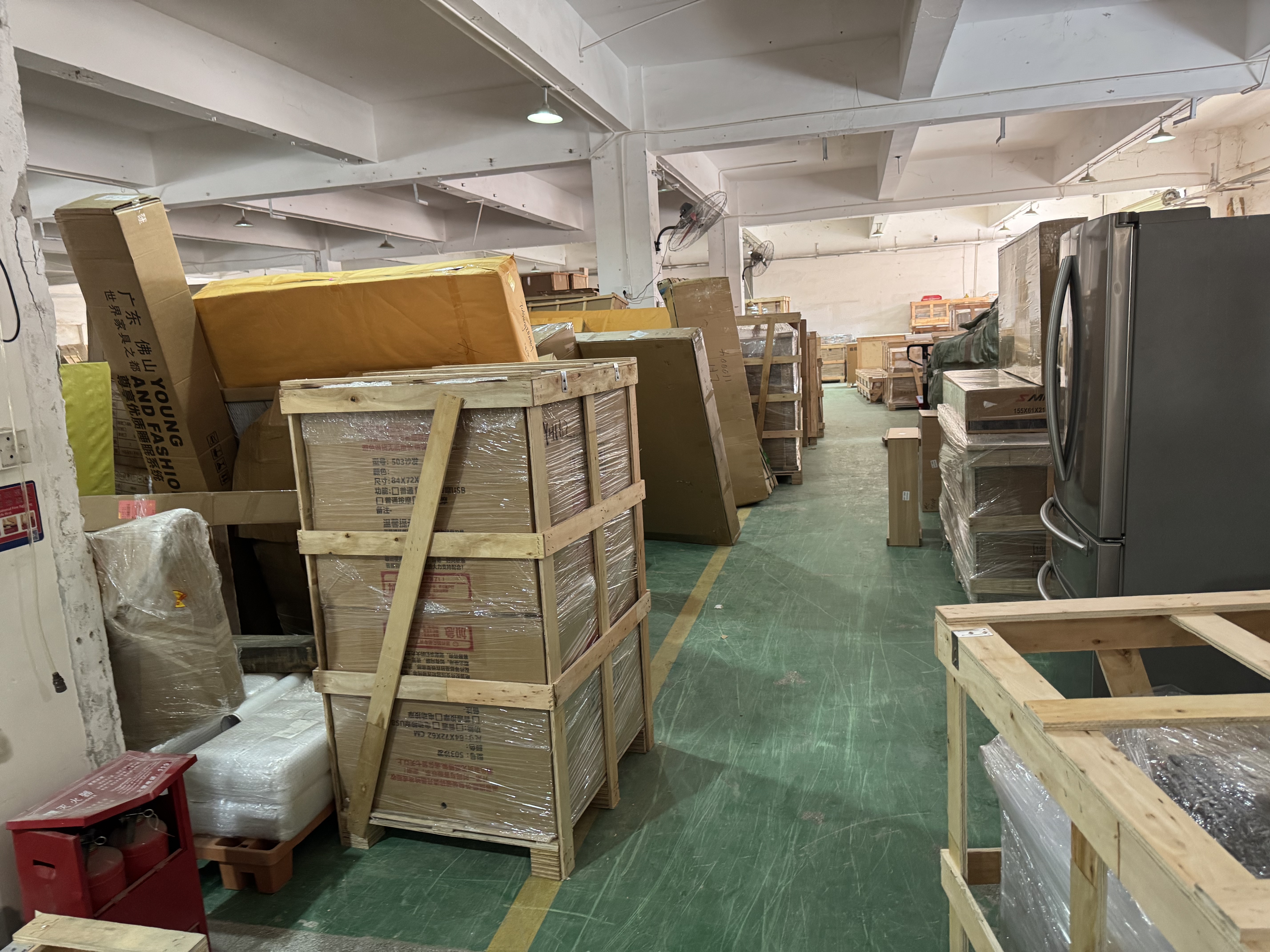
Sea Freight
Advantages: Sea freight is much more cost - effective, especially for large - scale orders. For example, if you're an apparel importer shipping large quantities of clothing, sea freight can save you a significant amount of money. You also have more flexibility in terms of weight and volume.Disadvantages: But it's a slow process. Shipping times can range from 25 - 45 days, which means you need to plan your inventory management carefully. There are also potential delays due to weather conditions or port congestion.
Express Shipping
Advantages: Express shipping services like DHL or FedEx offer door - to - door delivery and real - time tracking. The delivery time is usually within 3 - 7 days, which is great for high - value or time - sensitive products.Disadvantages: The cost is quite high, and there may be limitations on the size and weight of packages.
III. Choosing the Right Shipping Service Provider
Consider Their Experience Look for a company with a proven track record in China to Canada shipping. For example, [Shengda International Logistics] has been in the business for a while and has a team of 40 - plus professionals, all with over 10 years of experience in international shipping. They know how to handle the ins and outs of customs clearance and shipping regulations.Service Options You need a provider that offers a variety of services to meet your specific needs. [Shengda International Logistics] provides multiple services, including air freight, sea freight, sensitive goods shipping, and even free增值 services like package consolidation and long - term storage.
Cost - effectiveness Compare the pricing of different providers. But don't just go for the cheapest option. Make sure you're getting good value for your money. [Shengda International Logistics] offers a transparent pricing system with no hidden fees, which is a big plus for e - commerce sellers.
IV. Common Pitfalls and How to Avoid Them
Documentation Errors Incomplete or incorrect documentation is a common problem. I once had a client, a home goods seller in Montreal, whose shipment was delayed because the packing list was missing some details. To avoid this, double - check all your documents, including the commercial invoice, packing list, and bill of lading, before sending them.Customs Clearance Issues As mentioned earlier, incorrect HS codes and under - declaring values can cause problems at customs. Work with your shipping provider to ensure accurate classification and valuation of your goods. [Shengda International Logistics] has a team of experts who can help you with proper customs declaration.
Shipping Delays Weather conditions, port congestion, and labor strikes can all lead to shipping delays. To mitigate this risk, plan your shipments well in advance and choose a shipping provider with a good track record of on - time delivery.
V. FAQ
Q: What are the main differences between air freight and sea freight for China to Canada shipping? A: Air freight is fast, usually taking 7 - 12 days, but it's expensive, about 3 - 5 times more costly than sea freight. It's suitable for small, urgent shipments. Sea freight is much cheaper, but slower, with shipping times of 25 - 45 days. It's better for large - scale orders.
Q: How can I ensure my goods pass customs smoothly? A: Make sure you have accurate HS codes and declare the correct value of your goods. Also, ensure all your documentation is complete and correct. Consider working with an experienced shipping provider like [Shengda International Logistics] that can handle customs procedures professionally.
Q: Can I ship sensitive goods from China to Canada? A: Yes, but it's more complicated. You need a shipping provider with a special compliance channel. [Shengda International Logistics] has a dedicated sensitive goods shipping service that can handle items like food, cosmetics, and带电 products.
Q: How do I choose the best shipping service provider? A: Look at their experience in China to Canada shipping, the range of services they offer, and their pricing. You should also check their reputation and customer reviews. [Shengda International Logistics] is a great option as they have a professional team, multiple service options, and a transparent pricing system.
Q: What if my shipment is delayed? A: First, communicate with your shipping provider to understand the cause. If it's due to natural disasters or other force majeure events, there may not be much you can do but wait. However, if it's the fault of the shipping provider, make sure they have a proper compensation mechanism in place. [Shengda International Logistics] has a standard compensation policy for delays caused by their operation errors.
As you embark on your China to Canada shipping journey in 2026, keep these tips in mind. The key is to stay informed, plan ahead, and choose the right partners. With the right approach, you can avoid many of the common pitfalls and ensure smooth and efficient shipping for your e - commerce business.
