

I. Introduction
Shipping household goods to Canada can be a daunting task, especially with the implementation of the 2026 Canada Border Services Agency (CBSA) new policies. I've seen many small business owners, importers, and e - commerce sellers stumble along the way. For instance, a client in 2024 tried to ship a large quantity of home goods to Vancouver. Due to a lack of understanding of the regulations, their goods were held at the port for weeks, incurring significant storage fees and causing delays in their business operations.
II. Understanding the 2026 CBSA New Policies
Customs Declaration Changes In 2026, the CBSA has tightened the rules for customs declarations. You must provide accurate and detailed information about your household goods. For example, if you're shipping furniture, you need to specify the material, origin, and value precisely. Incorrect or incomplete declarations can lead to fines or even seizure of the goods.I once had a client who declared the value of a set of antique chairs much lower than their actual value to save on duties. The CBSA detected the discrepancy during a routine inspection, and the client not only had to pay the correct duties but also faced a substantial fine.
Food and Plant Regulations The Canadian Food Inspection Agency (CFIA) has strict regulations on importing food and plants. If you're shipping any food items, they must be properly labeled, and you may need to obtain special permits. For plants, they must be free from pests and diseases.
A home goods seller tried to ship some decorative plants along with their furniture. Since they didn't follow the proper inspection procedures, the plants were confiscated, and the entire shipment was delayed while the rest of the goods were re - inspected.
III. Choosing the Right Shipping Method
Air Freight Advantages: Air freight is the fastest option, with a typical transit time of about 7 - 10 days. It's suitable for small and high - value items or when you're in a hurry.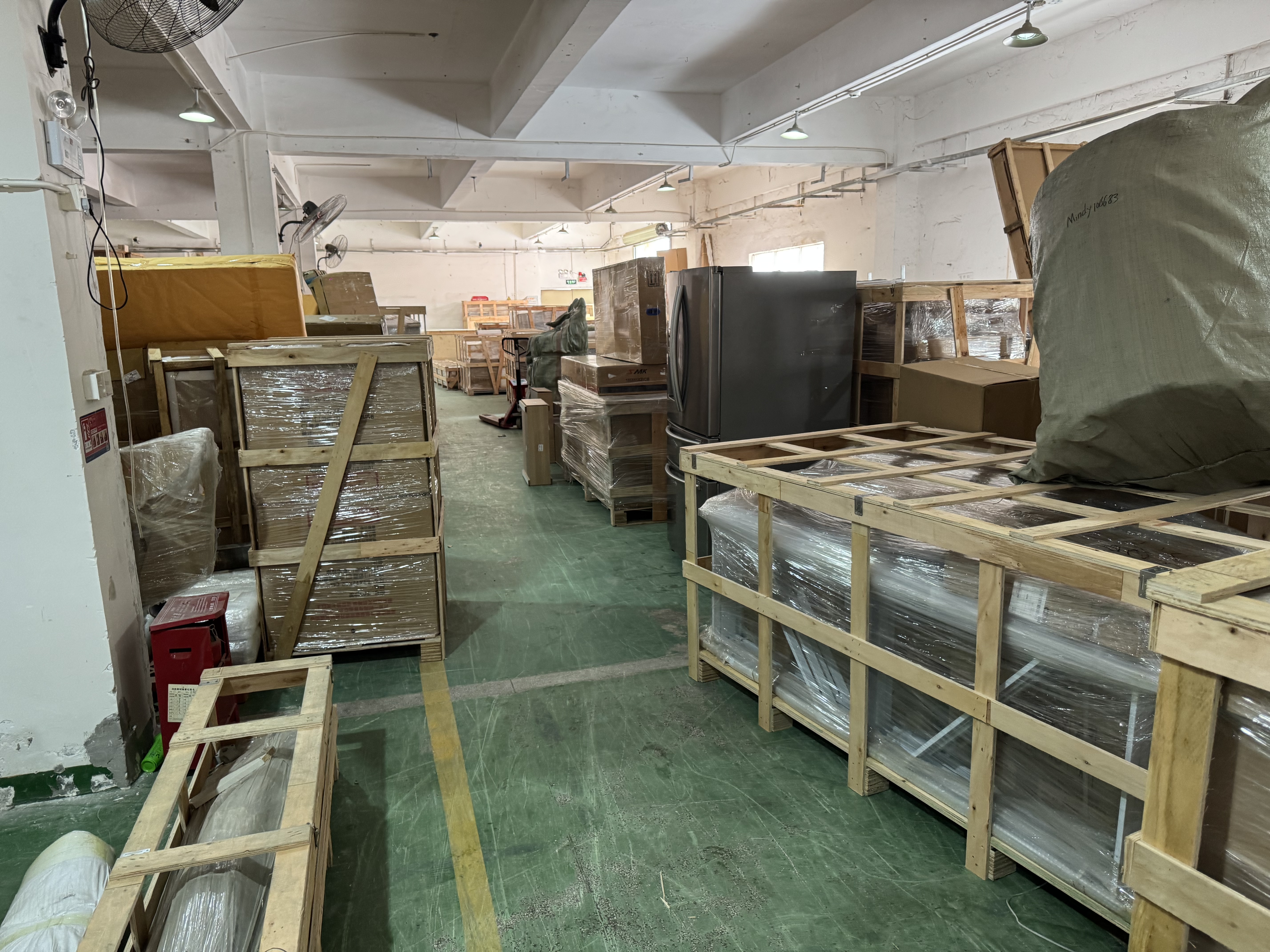
Sea Freight Advantages: Sea freight is more cost - effective for large shipments of household goods. You can choose between full - container load (FCL) and less - than - container load (LCL). For example, if you're shipping a large quantity of furniture, FCL can be a great option as it offers more space and better protection.
Limitations: It has a longer transit time, usually around 25 - 35 days. There's also a risk of delays due to weather conditions or port congestion.
IV. Packaging and Labeling
Proper Packaging Use high - quality packaging materials to protect your household goods. For fragile items like glassware or ceramics, use bubble wrap, foam, or packing peanuts. For furniture, consider using moving blankets or custom - made wooden crates.I've seen many cases where goods arrived damaged because of poor packaging. Once, a shipment of delicate porcelain vases was packed in a flimsy box without proper cushioning. Most of the vases were broken upon arrival.
Accurate Labeling Clearly label each package with the recipient's address, contact information, and a detailed description of the contents. This will help the CBSA and the shipping carrier handle your goods correctly.
A client shipped a batch of home goods to Toronto but mislabeled one of the boxes. It got separated from the rest of the shipment, and it took a lot of time and effort to reunite them.
V. Working with a Reliable Logistics Provider
Research and Selection Do your research to find a reliable logistics provider. Look for companies with experience in shipping household goods to Canada. Check their reviews, ratings, and industry reputation.For example, [Company Name] has been in the business for many years and has a team of experts who are well - versed in the 2026 CBSA policies. They offer services like customs clearance, packaging advice, and tracking.
Communication Maintain clear communication with your logistics provider. Provide them with all the necessary information about your shipment, and ask questions if you're unsure about anything.
I once had a client who didn't communicate the special requirements of their shipment to the logistics provider. As a result, there were some issues during customs clearance, and the goods were delayed.
VI. Frequently Asked Questions
What are the common reasons for customs delays when shipping household goods to Canada? Well, common reasons include incorrect or incomplete customs declarations, non - compliance with food and plant regulations, and random inspections by the CBSA. For example, if you don't declare all the items in your shipment or if the declared value is inaccurate, it can lead to delays.Can I ship used household goods to Canada? Yes, you can ship used household goods to Canada. However, you still need to comply with all the customs and quarantine regulations. For instance, used furniture must be clean and free from pests.
How can I estimate the shipping cost for my household goods? The shipping cost depends on several factors such as the weight, volume, shipping method, and destination. You can get a quote from a logistics provider by providing them with detailed information about your shipment.
What should I do if my goods are seized by the CBSA? If your goods are seized, contact your logistics provider immediately. They can help you understand the reason for the seizure and guide you through the process of resolving the issue. In most cases, providing the correct documentation and paying any outstanding duties or fees can help you get your goods released.
Is it necessary to purchase insurance for my shipment? It's highly recommended. Shipping insurance can protect you from financial losses in case your goods are damaged, lost, or stolen during transit. A good logistics provider can offer you insurance options based on the value of your shipment.
By following these guidelines, you can avoid many common pitfalls when shipping household goods to Canada in 2026 and ensure a smooth and successful shipping experience.
