

I. Introduction
In 2026, shipping heavy bulky items from China to Australia has become a common need for many Australian small business owners, importers, and e - commerce sellers. However, there are numerous pitfalls along the way. I've seen firsthand the headaches these challenges can cause over my years in the cross - border logistics field.
Personal anecdote: I had a client back in 2024 who was an apparel importer based in Sydney. They decided to ship a large quantity of heavy, bulky garment racks from a trade factory in China. Without proper planning, they faced a series of problems that cost them both time and money.
II. Common Pitfalls in heavy bulky Item Shipping
1. Incorrect Packaging
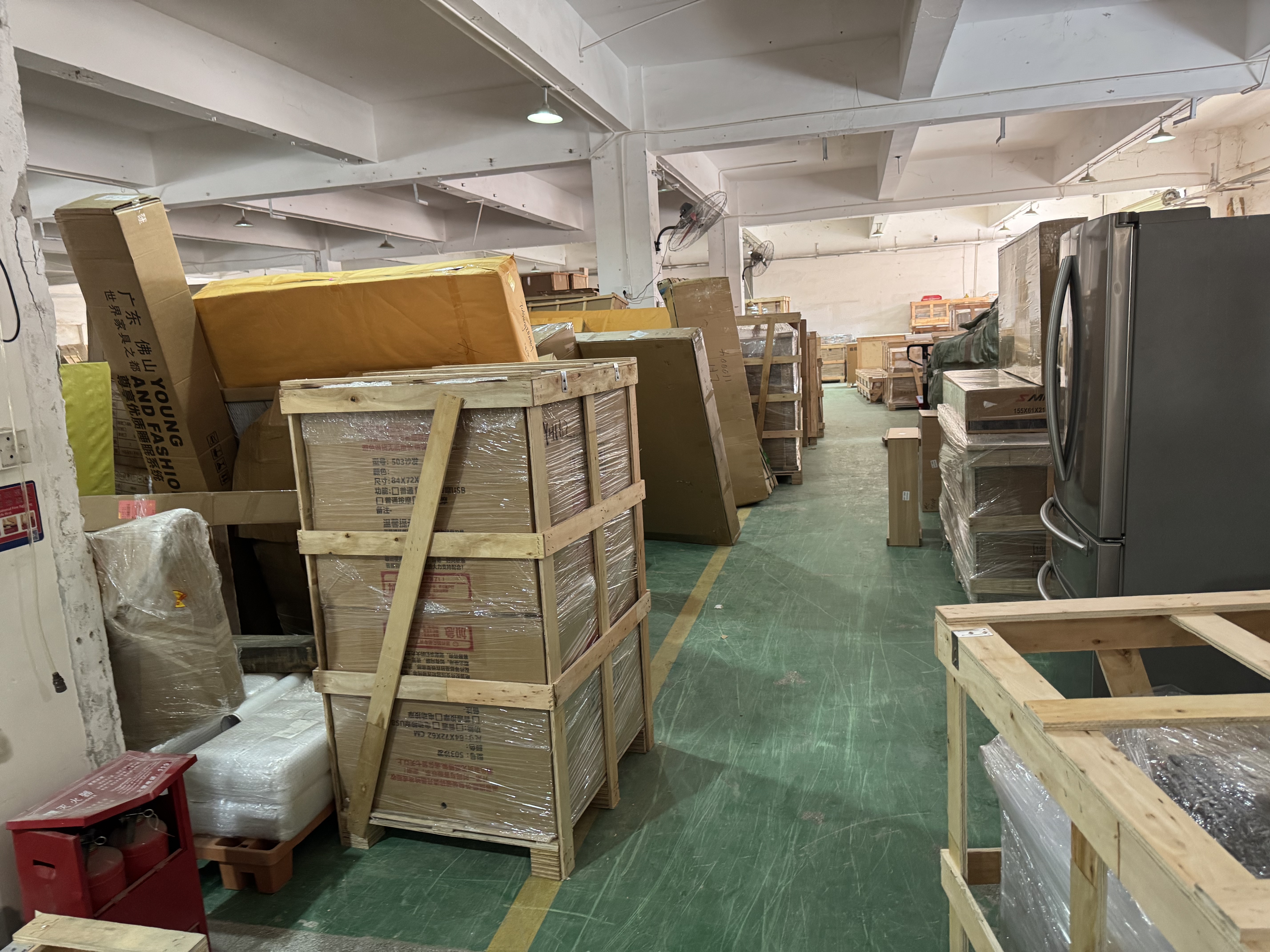
Problem Consequence: Improper packaging can lead to significant damage to heavy bulky items during transit. For instance, if a home goods seller is shipping large pieces of furniture without sufficient cushioning or reinforcement, the items may arrive with scratches, dents, or even structural damage. This is not only a loss for the seller but can also damage their reputation with Australian customers.Solution: You should use high - quality packaging materials, such as thick foam, corner protectors for furniture, and sturdy wooden crates for extremely heavy items. Additionally, the packaging should be designed to fit the shape and size of the item precisely to prevent movement during shipping.
2. Inaccurate Weight and Dimension Declaration
Problem Consequence: Under - or over - declaring the weight and dimensions of heavy bulky items can result in serious issues. If you under - declare, you may face additional charges at the port, as the Australian Border Force (ABF) conducts strict inspections. If you over - declare, you could end up paying more for shipping than necessary.Solution: Use professional weighing scales and measuring tools to get accurate data. Double - check the measurements and weight before submitting the shipping documents.
3. Ignoring 2026 Biosecurity Regulations
Problem Consequence: The Australian Department of Agriculture, Fisheries and Forestry (DAFF) has tightened biosecurity regulations in 2026. Heavy bulky items, especially those made from natural materials like wood, may carry pests or diseases. Failure to comply with these regulations can lead to the quarantine or even confiscation of your goods.Solution: Familiarize yourself with the latest biosecurity requirements. If shipping items made of wood, ensure they are properly treated and have the necessary certificates.
4. Choosing the Wrong Shipping Method
Problem Consequence: Selecting an inappropriate shipping method can lead to longer delivery times, higher costs, or damage to your goods. For example, choosing air freight for extremely heavy and bulky items might be extremely expensive, while some slow sea freight options may not meet your business's time requirements.Solution: Assess your shipping needs carefully. If time is not a major concern and cost - efficiency is key, sea freight (either FCL for large quantities or LCL for smaller volumes) is a good option. However, if you need the goods urgently, you may consider a combination of air and land transportation.
III. Case Study: A Home Goods Seller in Melbourne
1. Specific Scenario
A home goods seller in Melbourne wanted to import a large number of heavy, bulky ceramic vases from a trade factory in China. They were eager to get the products on the shelves in time for the upcoming holiday shopping season.
2. Problem Encountered
They decided to use air freight due to time constraints but did not accurately calculate the weight and dimensions of the vases. As a result, they were hit with additional charges at the airport.The packaging was not sufficient for air transportation, and some of the vases arrived broken.
They were also unaware of the new biosecurity regulations regarding ceramic glazes, which led to a short quarantine period for the goods.
3. Final Outcome
The seller had to pay extra fees for the weight discrepancy and the broken vases, which cut into their profit margins. The quarantine delay also meant that they missed the peak of the holiday shopping season, resulting in lower - than - expected sales.
IV. Cost Breakdown and Tips to save
1. Cost Components
Shipping Fees: This includes the basic cost of transporting the goods from China to Australia. For heavy bulky items, sea freight is usually priced based on volume or weight, while air freight is more weight - based.Customs Duties and Taxes: These are calculated according to the value of the goods and their Harmonized System (HS) codes.
Handling and Port Charges: At both the Chinese and Australian ports, there are charges for handling heavy bulky items.
2. Cost - saving Tips
Consolidate Shipments: If possible, group multiple shipments together to take advantage of economies of scale.
Choose the Right Incoterms: Selecting the appropriate INCOTERMS 2020 can help you avoid unnecessary costs. For example, FCA (Free Carrier) can give you more control over the shipping process and potentially save money.
V. FAQ
Q: I'm an e - commerce seller in Brisbane. Can I ship heavy bulky items through express shipping services? A: Express shipping services like DHL or FedEx are usually more suitable for smaller, lighter items. For heavy bulky items, they can be extremely expensive. I'd recommend sea freight for cost - efficiency, although it takes longer.
Q: How can I ensure that my heavy bulky items pass the 2026 biosecurity inspections? A: First, research the latest biosecurity requirements on the DAFF website. If your goods are made from natural materials, make sure they are properly treated and have the required certificates. You can also work with a professional logistics provider like [Shengda International Logistics], which has experience in handling these types of inspections.
Q: I'm worried about the packaging of my heavy bulky items. Can the trade factory in China handle the packaging? A: Some factories can handle basic packaging, but it's important to communicate your specific requirements clearly. You may want to send some packaging samples or provide detailed instructions. It might also be a good idea to have a professional logistics company check the packaging before shipping to ensure it meets international standards.
Q: What if my heavy bulky items are damaged during transit? A: It's crucial to choose a logistics provider with a proper insurance and claims process. [Shengda International Logistics], for example, has a formal claim mechanism for damaged or lost goods. Make sure to document the damage as soon as you receive the goods and report it to your logistics provider immediately.
Q: Are there any specific ports in Australia I should choose for shipping heavy bulky items? A: Port Botany and the Port of Melbourne are two major ports in Australia with good facilities for handling heavy bulky items. However, the choice depends on your location in Australia and the shipping route. If you're based in Sydney, Port Botany may be more convenient, while Melbourne - based businesses may prefer the Port of Melbourne.
In the shipping of heavy bulky items from China to Australia in 2026, careful planning and attention to detail are crucial. By avoiding these common pitfalls and following the right strategies, you can ensure a smooth and cost - effective shipping process.
