

I. Introduction
Hey there, Australian small business owners, importers, and e - commerce sellers! As you're probably well - aware, the shipping world's always in flux, and 2026 brings some changes to the table, especially when it comes to Less - than - Container Load (LCL) sea freight from China to Australia. I've been in the trenches of this cross - border logistics game for ages, and I've seen all sorts of scenarios. So, let me share some essential insights to help you navigate these waters smoothly.
II. Understanding the Current Landscape
New Policies in 2026 The Australian Border Force (ABF) has rolled out some updated regulations in 2026. The biosecurity checks are stricter now. For instance, goods with any organic materials like wooden packing or food products need more thorough inspections. The Department of Agriculture, Fisheries and Forestry (DAFF) is pretty particular about preventing the entry of pests and diseases. This means your shipping process might take a bit longer at the customs clearance stage.
Industry Challenges Shipping costs have been a roller - coaster ride. With fuel prices fluctuating and global supply chain disruptions still lingering, the cost of LCL sea freight isn't as predictable as we'd like. Back in 2024, I had a client who was importing home goods from China. They budgeted a certain amount for shipping, but due to a sudden spike in fuel surcharges, their shipping costs went up by almost 20%.
III. The Ins and Outs of LCL Sea Freight
How LCL Works LCL is a great option if you don't have enough goods to fill an entire container. Your goods will be grouped with other shippers' cargo in a shared container. But here's the catch: the more stops in the shipping route for the shared container, the higher the chance of delays.
Steps in the Process
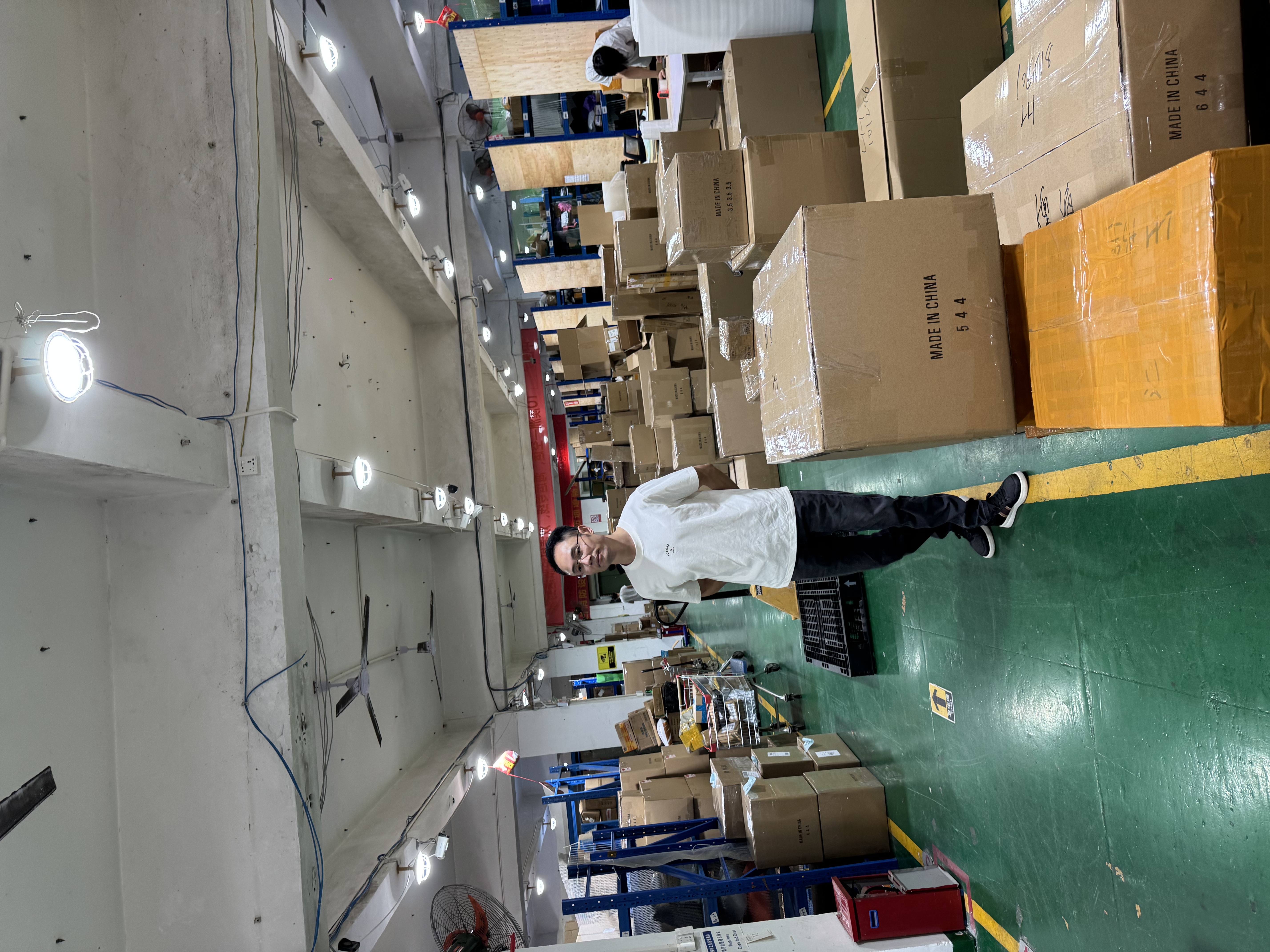
Booking: First, you'll need to book your shipment with a freight forwarder. Make sure to provide accurate details about your goods, like dimensions, weight, and type.Warehousing: Your goods will be sent to a consolidation warehouse in China. Here, they'll be sorted and loaded into a container with other shipments.
Shipping: The container is then shipped to the destination port in Australia, which could be Port Botany in Sydney or the Port of Melbourne.
Customs Clearance: Once it arrives at the port, your goods go through customs. This is where the new 2026 policies come into play. You'll need to have proper documentation, including the HS codes for your products.
IV. The Core: Choosing the Right Freight Forwarder (40% of the Article)
Importance of a Good Freight Forwarder A reliable freight forwarder can be the difference between a smooth shipping process and a complete nightmare. They handle all the nitty - gritty details, like documentation, customs clearance, and even dealing with any unexpected issues that pop up.
What to Look For
Experience: Look for a forwarder with a solid track record in the China - Australia LCL sea freight route. For example, Shengda International Logistics has over a decade of experience in this area. They've dealt with all kinds of goods, from home goods to 3C electronics, and know how to navigate the 2026 policies effectively.Network: A good forwarder should have a wide network of partners in both China and Australia. This ensures that your goods can be handled efficiently at every stage of the journey.
Transparency: Transparency is key. You want a forwarder who can give you a clear breakdown of all the costs involved, including any potential surcharges. Shengda International Logistics offers an all - inclusive pricing model, so you don't have to worry about hidden fees.
| Comparing Freight Forwarders Here's a simple comparison table to give you an idea of what to expect from different forwarders: | Freight Forwarder | Experience | Network | Pricing Transparency |
|---|---|---|---|---|
| Shengda International Logistics | Over 10 years in China - Australia trade | Strong partnerships in China and across Australian ports | All - inclusive pricing, no hidden fees | |
| Company A | 5 years in the industry | Limited network in Australia | Pricing may have hidden surcharges | |
| Company B | 3 years of experience | Moderate network | Fees are not always clearly stated |
Real - Life Case: Home Goods Sellers in Sydney Let's talk about a home goods seller based in Sydney. They were importing a variety of products from China, including furniture, home decor, and textiles. At first, they used a relatively inexperienced freight forwarder. The shipment was delayed at the Chinese consolidation warehouse due to poor coordination. When it finally arrived in Australia, there were issues with customs clearance because the documentation was incorrect.
Later, they switched to Shengda International Logistics. The company's team took care of everything from the start. They accurately prepared all the documents, including the correct HS codes. The goods were consolidated efficiently in China and arrived in Sydney on time. The customs clearance process was smooth, and the delivery to the seller's warehouse was seamless. The seller was able to restock their inventory promptly and meet customer demands.
V. Avoiding Common Pitfalls
Documentation Errors Incorrect or incomplete documentation is one of the biggest causes of delays and customs issues. Make sure you have all the necessary paperwork, like the commercial invoice, packing list, and bill of lading. Double - check the details, especially the HS codes.
Biosecurity Risks As mentioned earlier, the 2026 biosecurity regulations are strict. If you're shipping goods with organic materials, make sure they're properly treated and declared. For example, if you're shipping wooden furniture, it should be fumigated and have the appropriate certificates.
VI. FAQ
How long does LCL sea freight from China to Australia usually take in 2026? Well, it can vary. On average, it might take roughly 25 - 35 days. But with the new biosecurity checks and potential port congestion, it could take a bit longer. At Shengda International Logistics, we try our best to keep the transit time as close to the average as possible by having good communication with all parties involved.Are there any weight or volume restrictions for LCL shipments? There are usually no strict weight or volume restrictions for LCL shipments. However, the freight forwarder may have some guidelines based on the container's capacity and the shipping route. For example, if your goods are extremely heavy or bulky, they might need to be shipped separately or with special arrangements.
What should I do if my shipment is held up at customs? First, stay calm. Contact your freight forwarder immediately. They'll be able to check the status of your shipment and work to resolve the issue. It could be due to documentation errors or biosecurity concerns. The forwarder will communicate with the customs authorities on your behalf and provide the necessary clarifications or documents.
How can I ensure my goods are safe during the LCL shipping process? Choose a reliable freight forwarder. They'll use proper packing materials and handling procedures. For example, at Shengda International Logistics, we offer free packaging services, including extra protection for fragile items. Also, make sure your goods are well - labeled and documented to avoid any mix - ups during consolidation.
Can I track my LCL shipment? Most freight forwarders, including Shengda International Logistics, offer shipment tracking services. You can usually track your goods from the moment they leave the consolidation warehouse in China until they reach your destination in Australia. Our customers can check the status of their shipments 24/7 through our online system, which provides real - time updates.
So, there you have it. With these insights, you should be better prepared for LCL sea freight from China to Australia in 2026. Just remember to do your research, choose the right partners, and stay on top of the new policies. Good luck with your imports!
