

I. Introduction
As a seasoned player in the cross - border logistics industry, especially in the China - Canada sea shipping cargo consolidation arena, I've witnessed firsthand the challenges and pitfalls that Canadian small business owners, importers, and e - commerce sellers often encounter. In 2026, new policies and market dynamics have added more complexity to the process. This article aims to share my insights on what to avoid for a smoother logistics experience. I once had a client, a home goods seller in Toronto, who faced significant losses due to some common mistakes in cargo consolidation. Let's delve into the details.
II. Common Pitfalls in Cargo Consolidation
1. Inaccurate Cargo Information
One of the most frequent mistakes is providing inaccurate cargo information. This can include incorrect weight, dimensions, or the nature of the goods. For example, a 3C electronics seller in Vancouver once underestimated the weight of their products, resulting in additional fees at the port. The shipping company had to re - evaluate the cargo, leading to delays in the consolidation process. In 2026, the Canadian Border Services Agency (CBSA) has become stricter about accurate information. Any discrepancies can lead to longer inspection times, fines, or even the seizure of goods.
2. Ignoring New Customs Regulations
The 2026 regulations have brought about changes in customs clearance for China - Canada sea shipping. Many businesses are still using old practices, which can cause significant problems. For instance, there are new requirements for food safety inspections. A food importer in Montreal failed to comply with these new rules, and their cargo was detained at the Port of Montreal for weeks. Some companies may have previously shipped goods without proper documentation, but in 2026, the chances of getting away with such practices are slim.
3. Poor Choice of Freight Forwarder
Selecting the wrong freight forwarder can be a costly mistake. Some forwarders may claim to offer low prices but lack the necessary experience or resources. A clothing importer in Calgary once chose a relatively unknown forwarder to save costs. The forwarder did not have a good relationship with the shipping lines, which led to delays in getting space on the vessel. In the end, the importer had to pay a premium to get their goods shipped on a different vessel, and the delivery was still delayed.
4. Inadequate Packaging
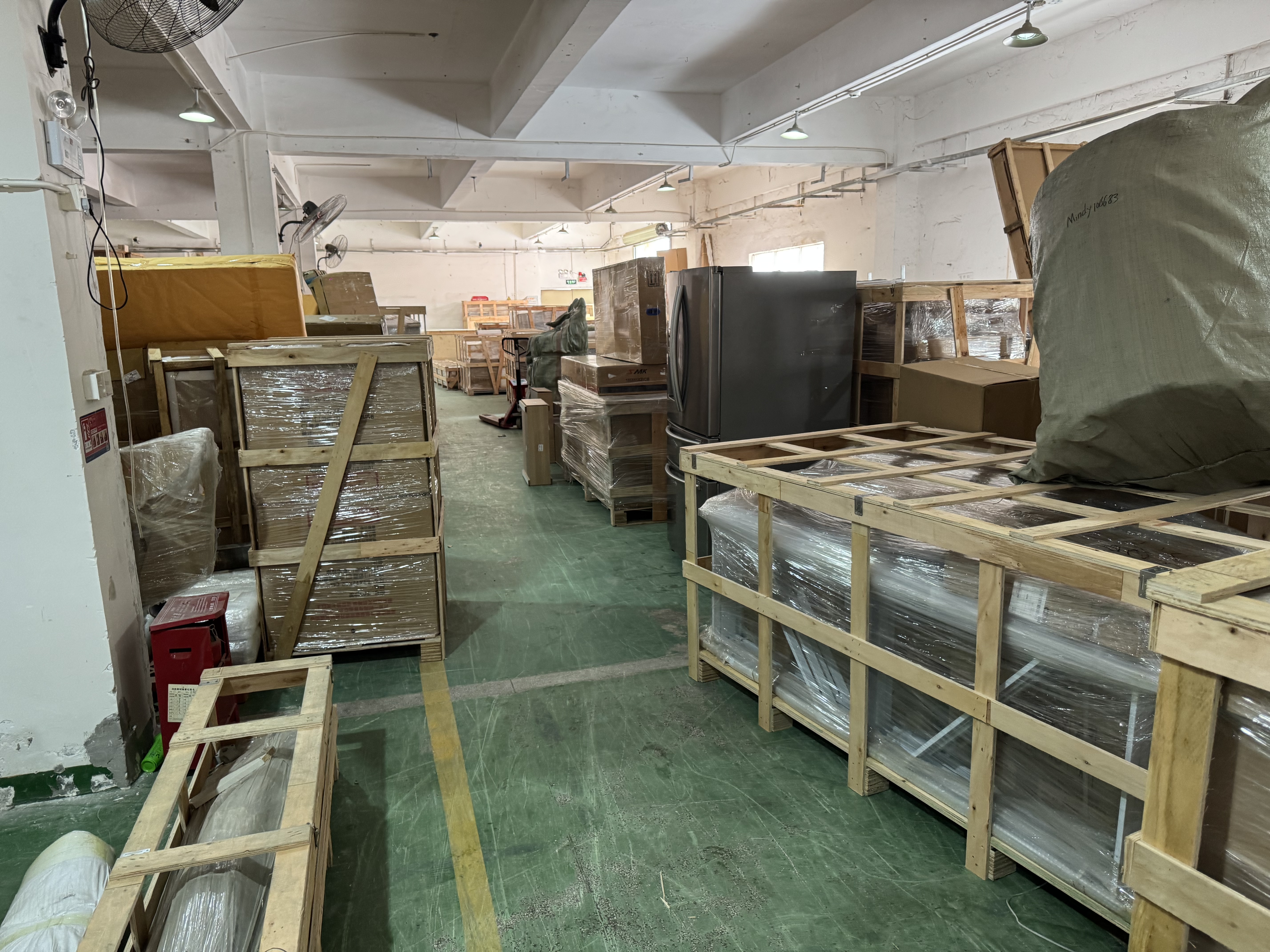
Inadequate packaging can lead to damaged goods during transit. In sea shipping, goods are exposed to various conditions, including rough seas and handling. A furniture seller in Toronto shipped some delicate pieces without proper packaging. When the goods arrived at the Port of Vancouver, many were damaged. This not only caused financial losses but also affected the seller's reputation.
III. How to Avoid These Pitfalls
1. Double - Check Cargo Information
Before sending any cargo, it's crucial to double - check all the information. Measure the dimensions accurately, weigh the goods precisely, and provide detailed descriptions of the products. Use professional tools if possible. This will help avoid any last - minute surprises at the port. For example, you can use a calibrated scale to weigh the goods and a measuring tape to get the exact dimensions.
2. Stay Informed about Customs Regulations
Keep up - to - date with the latest customs regulations. Subscribe to official newsletters from the CBSA or consult with a professional customs broker. They can provide you with accurate and timely information. For instance, if you're importing food products, make sure you know the new food safety standards and the required documentation.
3. Research and Select a Reliable Freight Forwarder
Do thorough research before choosing a freight forwarder. Look for companies with a good reputation, years of experience in the China - Canada route, and positive customer reviews. You can also ask for recommendations from other businesses in your industry. A reliable forwarder will have good relationships with shipping lines, which can ensure timely space allocation and smooth transportation.
4. Invest in Proper Packaging
Use high - quality packaging materials and appropriate packaging methods. For fragile items, use extra padding and shock - absorbing materials. If you're shipping large items like furniture, consider using custom - made crates. This will protect your goods during transit and reduce the risk of damage.
IV. Cost - related Pitfalls and Solutions
1. Hidden Costs in Cargo Consolidation
Many businesses are not aware of the hidden costs in cargo consolidation. These can include storage fees at the port, handling charges, and surcharges for various services. A trade factory in Vancouver once faced a large bill for storage fees because they did not pick up their cargo in time. To avoid this, make sure you understand all the cost components before signing any contracts.
2. Over - or Under - Estimating Shipping Costs
Over - estimating shipping costs can eat into your profits, while under - estimating can lead to financial difficulties. Analyze historical shipping data and get quotes from multiple freight forwarders. This will help you get a more accurate estimate of the shipping costs. For example, if you're shipping a large volume of goods, you may be eligible for bulk discounts.
V. FAQ
1. How can I ensure my cargo information is accurate?
Well, it's all about being meticulous. You should measure and weigh your goods carefully using proper tools. Also, provide a detailed description of the products, including their composition, intended use, etc. Double - check all the information before submitting it to your freight forwarder or customs broker.
2. What happens if I don't comply with the new customs regulations in 2026?
Non - compliance can lead to serious consequences. Your cargo may be detained at the port for inspection, which can cause significant delays. You may also face fines, and in some extreme cases, your goods could be seized. It's crucial to stay informed and follow the regulations strictly.
3. How do I choose a reliable freight forwarder?
Look for a forwarder with a solid track record in the China - Canada route. Check their customer reviews, years of experience, and the range of services they offer. You can also ask for referrals from other businesses. A good forwarder should be able to provide you with transparent pricing and reliable service.
4. What kind of packaging is best for sea shipping?
For sea shipping, you need to use durable and protective packaging. For fragile items, use bubble wrap, foam, or other shock - absorbing materials. For large items, consider using wooden crates or pallets. Make sure the packaging can withstand the rough conditions during transit.
5. How can I avoid hidden costs in cargo consolidation?
Before signing any contracts, ask your freight forwarder to provide a detailed breakdown of all the costs. This should include storage fees, handling charges, and any surcharges. Make sure you understand all the terms and conditions, and clarify any doubts with the forwarder. Also, keep track of your cargo's progress to avoid any unnecessary fees.
By avoiding these common pitfalls, Canadian businesses can enhance the efficiency and cost - effectiveness of their China - Canada sea shipping cargo consolidation in 2026. Stay vigilant, stay informed, and you'll be on the right track.
