

I. Introduction
Are you an Australian small business owner, importer, or e - commerce seller looking to source products from China through e - commerce channels? Shipping from China to Australia can be a goldmine for your business, but it's littered with potential pitfalls. I've spent years in the front - line of cross - border logistics between China and Australia, and I'm here to share my experiences so you can avoid the common mistakes.
II. e - commerce Shipping Channels: An Overview
Shipping from Chinese e - commerce channels to Australia mainly involves two popular methods: air freight and sea freight. Each has its own pros and cons, and understanding them is crucial for your business.
Air Freight Air freight is known for its speed. Generally, it takes about 7 - 12 days for the goods to be delivered from China to Australia. This is ideal for small, high - value items or when you're in a hurry to restock your inventory. For example, I once had a client in Sydney, a 3C electronics seller. He ordered a new batch of smartphones from a Chinese e - commerce platform. Since the tech market moves fast, he needed the products quickly to meet the local demand. By choosing air freight, the phones arrived in Sydney within 10 days, allowing him to start selling right on time. However, air freight is more expensive. The cost can be around 3 - 5 times that of sea freight, which can eat into your profit margins if you're shipping large volumes.
Sea Freight Sea freight is a cost - effective option for large quantities of goods. There are two types: Full Container Load (FCL) and Less than Container Load (LCL). FCL is for when you have enough goods to fill an entire container (20GP, 40GP, or 40HQ), and it offers more security and quicker transit within the port. On the other hand, LCL is suitable for smaller shipments, where your goods are combined with others in a container. For instance, there was an apparel importer in Melbourne. They ordered a large collection of clothing from China. By using sea freight's LCL service, they saved a significant amount of money. But the transit time was longer, roughly 25 - 35 days. So, if you can plan your inventory well in advance, sea freight can be a great choice.
III. 2026 Policy Updates and Their Impact
In 2026, there have been several important updates in the Australian Border Force (ABF) and the Department of Agriculture, Fisheries and Forestry (DAFF) regulations. These changes are mainly focused on biosecurity and customs valuation.
Biosecurity Regulations DAFF has tightened the rules on items that may carry pests or diseases. If you're importing food, wood products, or anything made from natural materials, you need to ensure they meet the strict biosecurity standards. For example, wooden furniture needs to be properly fumigated and have the appropriate certificates. Otherwise, it might be held at the port, causing delays and additional costs.Customs Valuation ABF has updated its customs valuation methods. It's now more important than ever to accurately declare the value of your goods. Incorrect valuation can lead to fines and delays in the clearance process. Make sure to keep all the invoices and receipts from your e - commerce purchases as proof of the actual value.
IV. The Full Process of Shipping from Chinese E - commerce Channels
Ordering from E - commerce Platforms First, you place your order on a Chinese e - commerce platform. Make sure to communicate clearly with the seller about the shipping details, such as the shipping method, packaging requirements, and delivery time.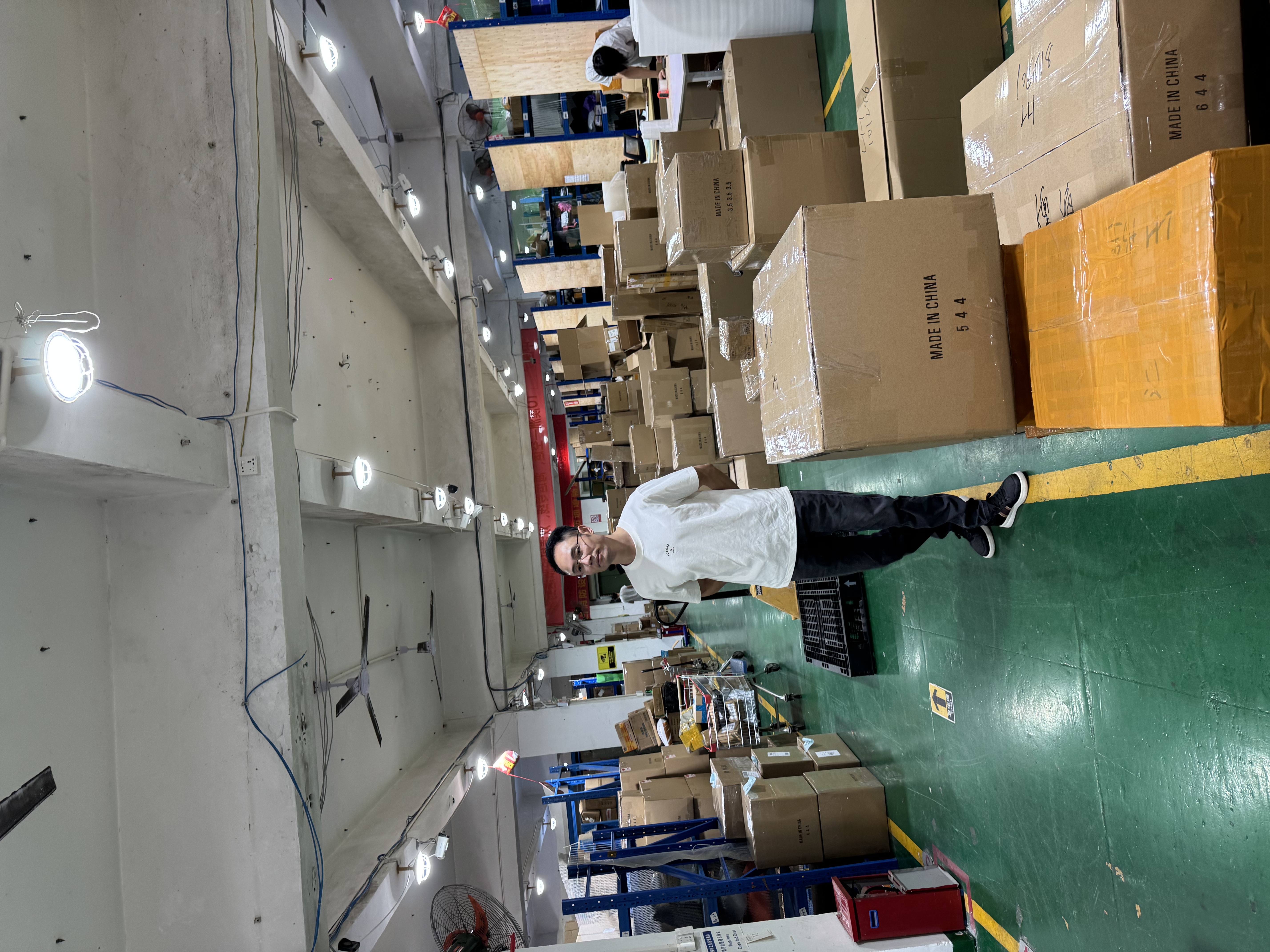
Shipping and Customs Clearance Then, the goods are shipped according to the chosen method (air or sea). At the Australian port, they go through customs clearance. The customs officers will check the goods against the declared information, including the quantity, value, and nature of the goods. If everything is in order, the goods will be released.
Final Delivery Finally, the goods are delivered to your designated location. You can track the entire process through the logistics company's tracking system.
V. Avoiding Common Pitfalls
Incorrect Documentation One of the most common mistakes is submitting incorrect or incomplete documentation. This can cause long delays at the port. Double - check all the documents, including the commercial invoice, packing list, and certificates, before shipping.Not Considering Biosecurity As mentioned earlier, ignoring biosecurity regulations can lead to serious problems. Before ordering any goods, research the biosecurity requirements in Australia to ensure compliance.
Underestimating Shipping Times Many importers underestimate the shipping times, especially for sea freight. This can lead to stock shortages and lost sales opportunities. Always factor in some extra time for potential delays, such as bad weather or port congestion.
VI. FAQ
Q: How do I choose between air freight and sea freight? A: It depends on your needs. If you have a small order of high - value items and need them quickly, air freight is your best bet. But if you're shipping large volumes and have some time to spare, sea freight is more cost - effective. I always recommend doing a cost - benefit analysis based on your specific situation.Q: What if my goods are held at customs? A: If your goods are held at customs, it's usually because of incorrect documentation or non - compliance with regulations. Contact your logistics provider immediately. Companies like Shengda International Logistics have experienced teams who can help you resolve the issue and get your goods released as soon as possible.
Q: Can I ship sensitive goods from Chinese e - commerce platforms to Australia? A: Yes, you can. But sensitive goods like food, cosmetics, and带电 products (electrical products) require special handling and compliance. Platforms like Shengda International Logistics have dedicated compliance channels for such goods, which can help you navigate the regulations and reduce the risk of customs issues.
Q: How can I ensure the accuracy of customs valuation? A: Keep all the original invoices and receipts from your e - commerce purchases. Provide these documents to your logistics provider, and make sure they accurately reflect the value of the goods. If you're unsure, you can also consult a customs broker or your logistics company for guidance.
Q: What should I do if my goods are damaged during shipping? A: If your goods are damaged, first, take photos of the damaged items and the packaging. Then, contact your logistics company. Most reliable logistics providers, like Shengda International Logistics, have a standard compensation mechanism for damaged or lost goods. They will guide you through the claim process.
In the complex world of cross - border e - commerce shipping, having a clear understanding of the channels, policies, and processes is essential for your business success. By following the tips and advice in this guide, you can make informed decisions and avoid costly mistakes.
