

I. Introduction
In 2026, shipping furniture from China to Canada is a task that many importers, small business owners, and e - commerce sellers are constantly dealing with. However, it's fraught with challenges that can lead to significant losses if not handled correctly. I once had a client who shipped a full set of high - end furniture from Shanghai to Vancouver. Due to a lack of understanding of the shipping process, the furniture arrived damaged, and the shipping cost was much higher than expected. This is a common pain point in the industry. In this guide, I'll share some valuable insights and practical advice based on my years of hands - on experience in cross - border logistics between China and Canada.
II. Shipping Methods and Their Characteristics (20% of the text)
Air Freight Advantages: Air freight is extremely fast. It can typically get furniture to Canada from China in about 7 - 12 days. This is great for urgent orders or when you need to quickly restock your inventory. Airlines also have relatively strict handling procedures, which reduces the risk of damage to some extent.Disadvantages: The cost is very high. It's usually not cost - effective for large - volume or heavy furniture shipments. For example, shipping a medium - sized wooden cabinet could cost several times more by air than by sea. And there are usually weight and size restrictions.
Sea Freight LCL (Less than Container Load): Advantages: Ideal for small - to - medium - sized furniture businesses or those with limited quantities of furniture to ship. It's more cost - efficient as you only pay for the space your furniture occupies in the container. Providers often offer door - to - door or port - to - port services, and it can cover most cities in Canada, including Vancouver, Toronto, and Montreal.
Disadvantages: The shipping time is longer, usually taking around 25 - 40 days. There may also be more complex handling procedures during the consolidation and de - consolidation process, which increases the risk of damage.
FCL (Full Container Load): Advantages: If you are shipping a large quantity of furniture, FCL is the way to go. You have exclusive use of the container, which reduces the risk of damage from other goods. It also has more stable shipping schedules and is suitable for large - scale business operations.
Disadvantages: The minimum cubic meter requirement means that if your shipment is not large enough, it may be more expensive on a per - piece basis compared to LCL.
III. The Crucial Documentation Process (40% of the text)
Commercial Invoice This is one of the most important documents. It should clearly state the details of the furniture, such as the description, quantity, unit price, and total value. The Canadian Border Services Agency (CBSA) uses this invoice to assess duties and taxes. For example, if you are shipping a set of dining tables and chairs, the invoice must list each item separately along with its price. A wrong or incomplete invoice can lead to delays in customs clearance and even additional charges. I remember a case where a client's invoice only listed the furniture as "a set of furniture" without specific details. The CBSA held the shipment for over a week until the corrected invoice was provided.Packing List The packing list provides a detailed breakdown of the contents of each package. It includes information like the number of pieces, dimensions, and weight of each package. This helps the shipping company and customs officers to identify and handle the furniture properly. For instance, if you have multiple packages of different furniture items, the packing list will show which item is in which package. A well - prepared packing list ensures smooth transfer between different carriers and helps in quickly locating specific items during transit.
Certificate of Origin This document indicates where the furniture was produced. Depending on the origin of the furniture and the trade agreements between China and Canada, it can affect the duty rates. In 2026, with the latest trade policies, a correct certificate of origin is crucial. For example, if the furniture is made from materials sourced from different countries, the rules of origin need to be carefully applied to determine the correct origin status. Incorrectly claiming the origin can result in penalties and incorrect duty calculations.
Bill of Lading For sea freight, the bill of lading is the key document. It serves as a contract of carriage between the shipper and the carrier. It contains details about the shipment, such as the origin, destination, and the terms of the shipping agreement. There are two main types: straight bill of lading (non - negotiable) and order bill of lading (negotiable). The choice between the two depends on your business needs. If you want to transfer the ownership of the goods during transit, an order bill of lading is more appropriate.
IV. Key Steps in Furniture Shipping from China to Canada (20% of the text)
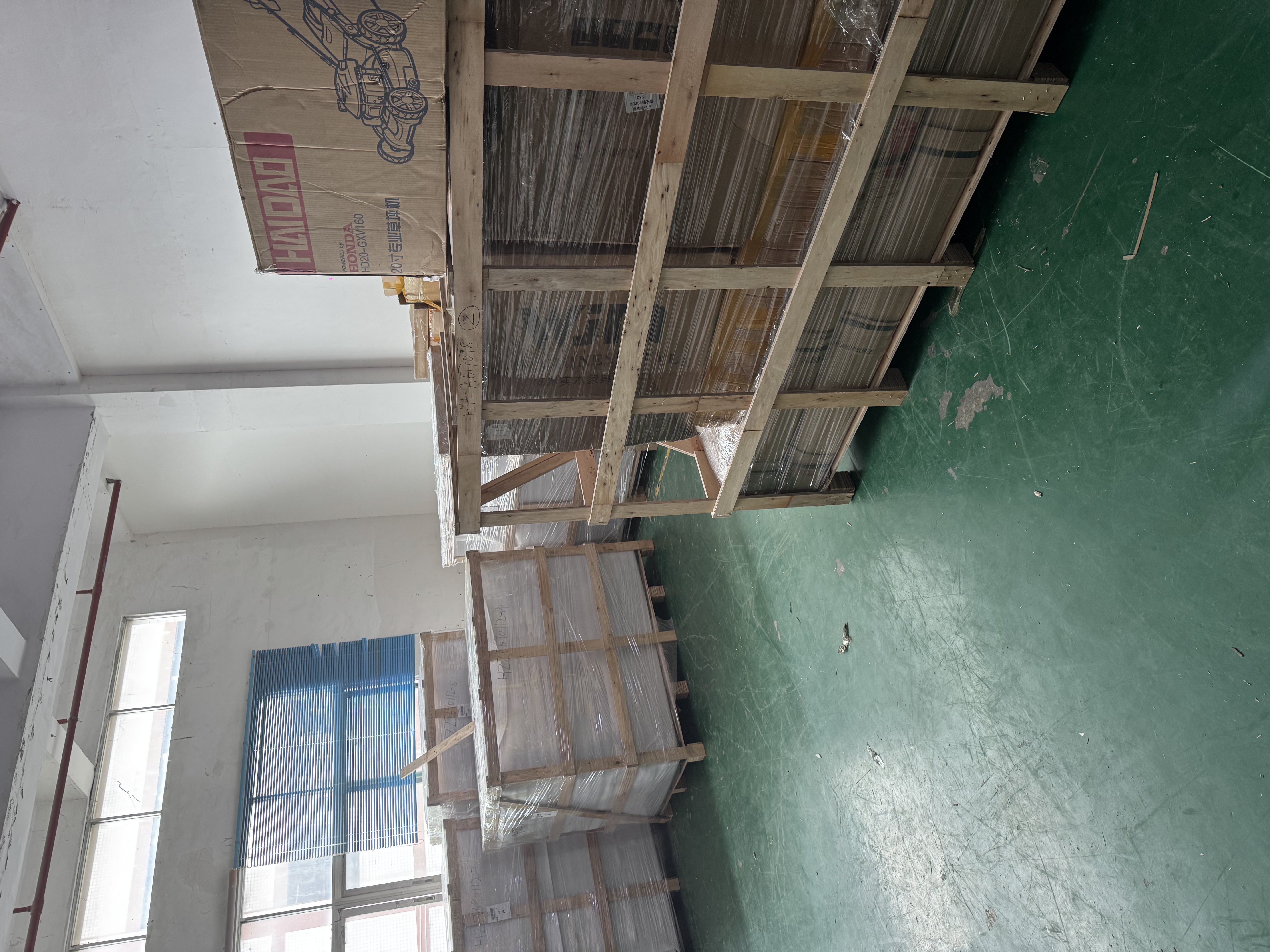
Furniture Preparation Proper packing is essential. For wooden furniture, you may need to have it fumigated to meet the phytosanitary requirements of Canada. Use high - quality packaging materials such as bubble wrap, wooden frames, and strong cardboard boxes. For example, when shipping a glass - topped coffee table, extra cushioning should be used around the glass to prevent breakage.Shipping Company Selection Look for a reliable shipping company with experience in China - Canada furniture shipping. Check their reputation, service quality, and pricing. Some well - known shipping companies have established relationships with local customs brokers in Canada, which can facilitate the customs clearance process. For instance, [Shengda International Logistics] has a team of professionals who are familiar with the regulations and can handle the shipping process efficiently. They also offer value - added services like free warehousing and packaging inspection.
V. Cost Analysis (10% of the text)
| The cost of shipping furniture from China to Canada includes several components: | Cost Component | Description |
|---|---|---|
| Shipping Fee | Depends on the shipping method (air or sea), volume or weight of the furniture, and the distance. For sea freight, it's usually calculated based on cubic meters. | |
| Customs Duties and Taxes | These are imposed by the Canadian government and are based on the value, type, and origin of the furniture. Use the Harmonized System (HS) codes to determine the correct duty rates. | |
| Fumigation and Packaging Costs | If the furniture is made of wood, fumigation is required, and the cost of proper packaging materials also needs to be considered. | |
| Insurance | It's recommended to purchase shipping insurance to protect your furniture against damage or loss during transit. The insurance cost is usually a percentage of the total value of the shipment. |
VI. FAQ
Q: How can I ensure my furniture is not damaged during shipping? A: First, make sure to use high - quality packaging materials. For wooden furniture, wooden frames for support and bubble wrap for cushioning are good choices. You can also work with a shipping company that has a good reputation for handling furniture. For example, [Shengda International Logistics] has a team of experienced packers who know how to properly secure furniture for shipping.Q: What if my furniture is held at the Canadian customs? A: Usually, the reason for customs hold is incorrect or incomplete documentation. You should immediately contact your shipping agent or customs broker. Provide them with all the necessary documents in an accurate and timely manner. For example, if the commercial invoice is missing some details, quickly correct it and resubmit it to the customs. If you are using a service like [Shengda International Logistics], they have a professional customs clearance team that can help you resolve such issues.
Q: How long does it take to ship furniture from China to Canada? A: It depends on the shipping method. Air freight typically takes 7 - 12 days, while sea freight can take 25 - 40 days. However, these are just estimates, and factors such as weather conditions, port congestion, and customs clearance can affect the actual shipping time.
Q: Do I need to pay taxes and duties on the furniture I import? A: Yes, you usually do. The Canadian government imposes duties and taxes on imported furniture. The amount depends on the value, type, and origin of the furniture. You can use the Harmonized System (HS) codes to calculate the approximate duties. Make sure to factor these costs into your budget when importing furniture.
Q: Can I track my furniture during shipping? A: Most reputable shipping companies offer tracking services. You can use the tracking number provided by the shipping company to check the location and status of your shipment online. For example, [Shengda International Logistics] has a user - friendly tracking system that allows you to monitor your furniture's journey from China to Canada in real - time.
In future shipments, always keep in mind the importance of proper documentation and choosing a reliable shipping partner. By following these guidelines, you can make your China - Canada furniture shipping process smoother and more cost - effective.
