

I. Introduction
Shipping large items to Canada via sea freight can be a complex yet cost - effective solution. In 2026, there have been some notable changes in the Canadian Border Services Agency (CBSA) policies and shipping regulations. I've been in the cross - border logistics industry for quite some time, and I've seen firsthand how these changes can impact businesses and individuals. For instance, a home goods seller I worked with last year faced unexpected delays due to new customs valuation rules. So, let's dive into what you need to know about sea freight for large items to Canada this year.
II. Understanding the 2026 Policy Changes
Customs Valuation Updates The CBSA has updated its customs valuation methods in 2026. Now, it's crucial to accurately declare the value of your large items. For example, if you're shipping a batch of high - end furniture, you need to include all costs such as production, shipping to the port, and any applicable taxes in the origin country. Incorrect valuation can lead to delays, fines, or even seizure of your goods.I remember a trade factory client who underestimated the value of their machinery shipment. The CBSA held the goods for over 14 days for re - valuation, causing significant losses in production time at the Canadian end.
Food and Safety Regulations If your large items include any food - related products or items that come in contact with food, the Canadian Food Inspection Agency (CFIA) has stricter rules. For example, wooden crates used to transport food items need to be properly treated and certified to prevent the spread of pests and diseases.
A 3C electronics seller once shipped some large electronic appliances with wooden packaging that wasn't compliant. The CFIA required them to have the packaging treated at their own expense, adding to the overall shipping cost.
III. Choosing the Right Shipping Method (Deep - Dive, 40% of the Article)
Full Container Load (FCL) vs. Less than Container Load (LCL) FCL: Advantages: If you have a large quantity of goods that can fill an entire container (20GP, 40GP, or 40HQ), FCL is a great option. It offers more security as your goods are not mixed with others. Transit times are often more predictable, as the container is not subject to the loading and unloading schedules of other shippers. For example, a furniture manufacturer shipping a large order of sofas to Vancouver can use FCL. The cost per unit can be lower when the container is fully utilized.Disadvantages: The upfront cost is higher as you're paying for the entire container. If your goods don't fill the container completely, you're still paying for the unused space.
LCL: Advantages: Ideal for smaller shipments of large items. You only pay for the space your goods occupy in the shared container. This is great for small businesses or individuals who don't have enough goods to fill a whole container. For example, an apparel importer shipping a few large crates of winter coats can use LCL.
Disadvantages: There's a higher risk of damage as the container is opened multiple times for loading and unloading other shippers' goods. Transit times can be longer and less predictable due to the need to wait for the container to be fully loaded before departure.
Selecting the Right Shipping Line Different shipping lines have different routes, schedules, and service levels. Some well - known shipping lines for the China - Canada route include Maersk, CMA CGM, and COSCO. Maersk is known for its reliable service and extensive global network. CMA CGM offers competitive rates and a wide range of container sizes. COSCO has a strong presence in the Asia - Canada trade lane and often has good connections with Chinese ports.
When choosing a shipping line, consider factors such as transit time, frequency of sailings, and the shipping line's reputation for handling large items. I once had a client who chose a less - known shipping line to save a bit of money. Unfortunately, the line had a poor record of handling large and heavy items, and the goods arrived damaged.
IV. Pre - shipment Preparation
Packaging For large items, proper packaging is essential. Use sturdy materials such as wood, metal, or heavy - duty plastic. For example, if you're shipping a large piece of machinery, it should be crated and secured with straps to prevent movement during transit. Padding can be used to protect the item from impact.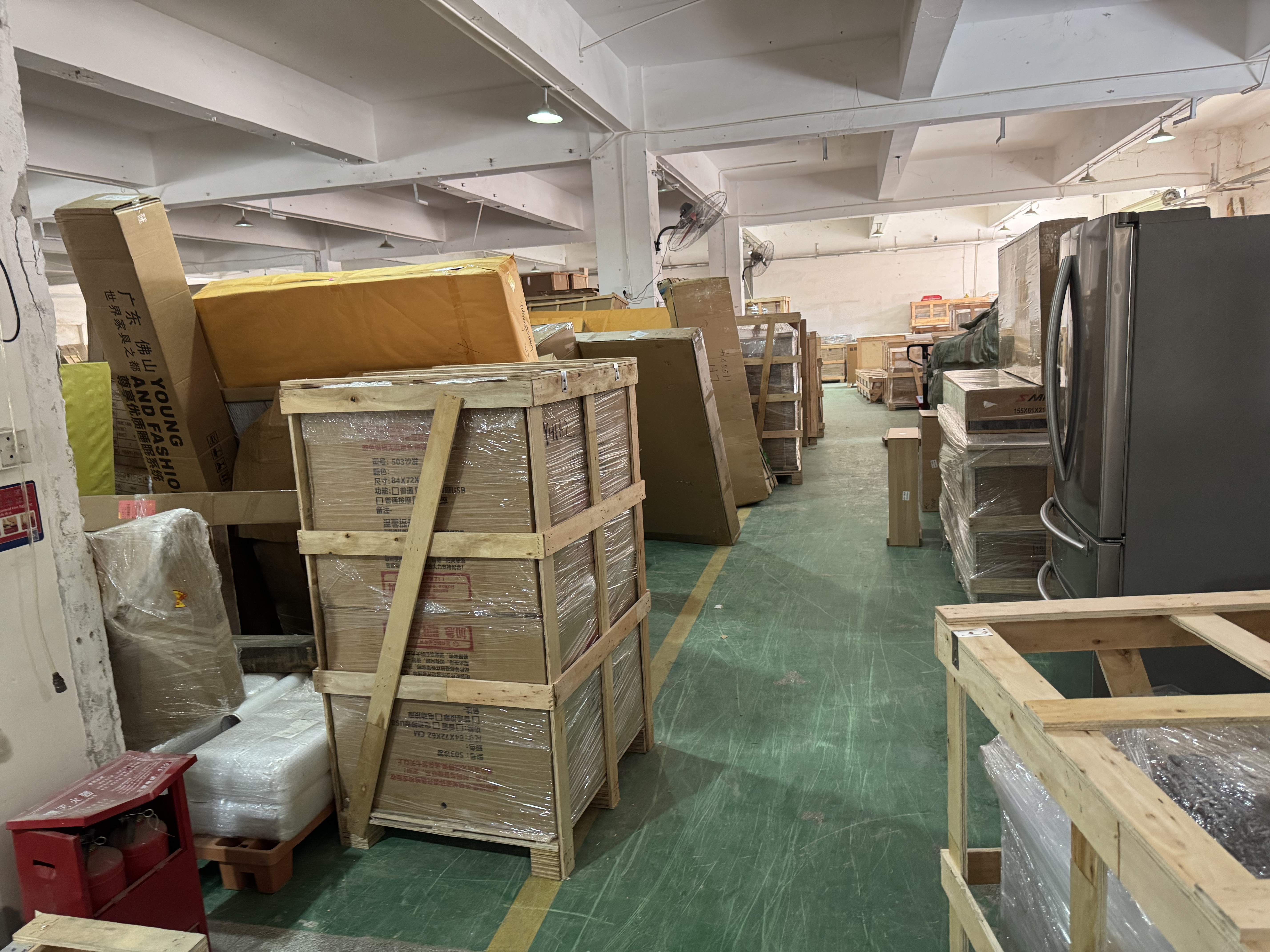
Documentation You need to prepare several key documents, including a commercial invoice, bill of lading, packing list, and any necessary certificates. The commercial invoice should clearly state the description, quantity, value, and origin of the goods. The bill of lading is a legal document that serves as a receipt for the goods and a contract of carriage.
In 2026, the CBSA has also introduced new e - Manifest requirements. You need to submit the electronic manifest in advance, which includes details about the goods, the shipping vessel, and the consignee. Failure to submit the e - Manifest on time can result in delays at the Canadian port.
V. Shipping Process and Potential Delays
Loading at the Chinese Port The loading process at the Chinese port can be time - consuming, especially during peak seasons. It's important to work with a reliable freight forwarder who can ensure that your goods are loaded in a timely and efficient manner.I once had a client whose shipment was delayed at a Chinese port because the freight forwarder didn't have proper arrangements with the stevedores. The goods were supposed to be loaded on a particular vessel, but due to the delay, they missed the sailing and had to wait for the next one.
Transit at Sea There are several factors that can cause delays during the sea transit. Bad weather conditions, such as typhoons in the Pacific Ocean, can disrupt the shipping schedule. Congestion at the Panama Canal or other key shipping routes can also lead to delays.
In 2026, due to increased traffic on the China - Canada sea route, some vessels have experienced longer transit times than expected.
Customs Clearance in Canada Customs clearance in Canada can be a potential bottleneck. If your documentation is incorrect or incomplete, the CBSA may hold your goods for further inspection. Also, random inspections can add to the clearance time.
A 3C electronics seller had their shipment held for a week at the Port of Vancouver because the product specifications in the documentation didn't match the actual goods.
VI. FAQ
Q: How do I know if FCL or LCL is the best option for my large - item shipment? A: It depends on the volume of your goods. If you can fill an entire container, FCL is usually better in terms of cost - efficiency and security. But if you have a smaller quantity, LCL allows you to pay only for the space you use. You can also consider future growth in your business. If you expect your shipments to increase in volume, it might be a good idea to start with FCL.Q: What are the common mistakes to avoid when shipping large items to Canada? A: One of the biggest mistakes is incorrect documentation. Make sure all the information is accurate and up - to - date. Also, improper packaging can lead to damaged goods. And don't forget about the new 2026 policies, such as the updated customs valuation and e - Manifest requirements.
Q: How can I find a reliable freight forwarder? A: Look for companies with experience in the China - Canada trade lane. Check their reviews and ask for references from other businesses. A good freight forwarder should be able to handle all aspects of the shipping process, from packaging to customs clearance. For example, [盛达国际物流] has a team of experienced professionals who can help you navigate the complex cross - border shipping process.
Q: What should I do if my shipment is delayed? A: First, communicate with your freight forwarder or shipping line to find out the reason for the delay. If it's due to customs issues, work with them to provide any additional information or documentation required. If it's a shipping - related delay, stay in touch to get updated estimated arrival times.
Q: Are there any restrictions on the types of large items I can ship to Canada? A: Yes, there are restrictions. Items such as weapons, illegal drugs, and some hazardous materials are prohibited. For other items, such as food - related products or items made of certain materials, there may be specific requirements and regulations. Make sure to check with the CBSA and CFIA before shipping.
