

I. Introduction
Hey there, Australian small business owners, importers, and e - commerce sellers! In 2026, the landscape of cross - border logistics between China and Australia is evolving. If you're sourcing from China, you've probably heard about parcel consolidation warehouses. But what exactly are they, and how can they impact your business? I've been in the cross - border logistics game for years, dealing with the ins and outs of shipping from China to Australia. Let me tell you, these warehouses can be a game - changer, but there are also some pitfalls to avoid.
II. How Parcel Consolidation Warehouses Work
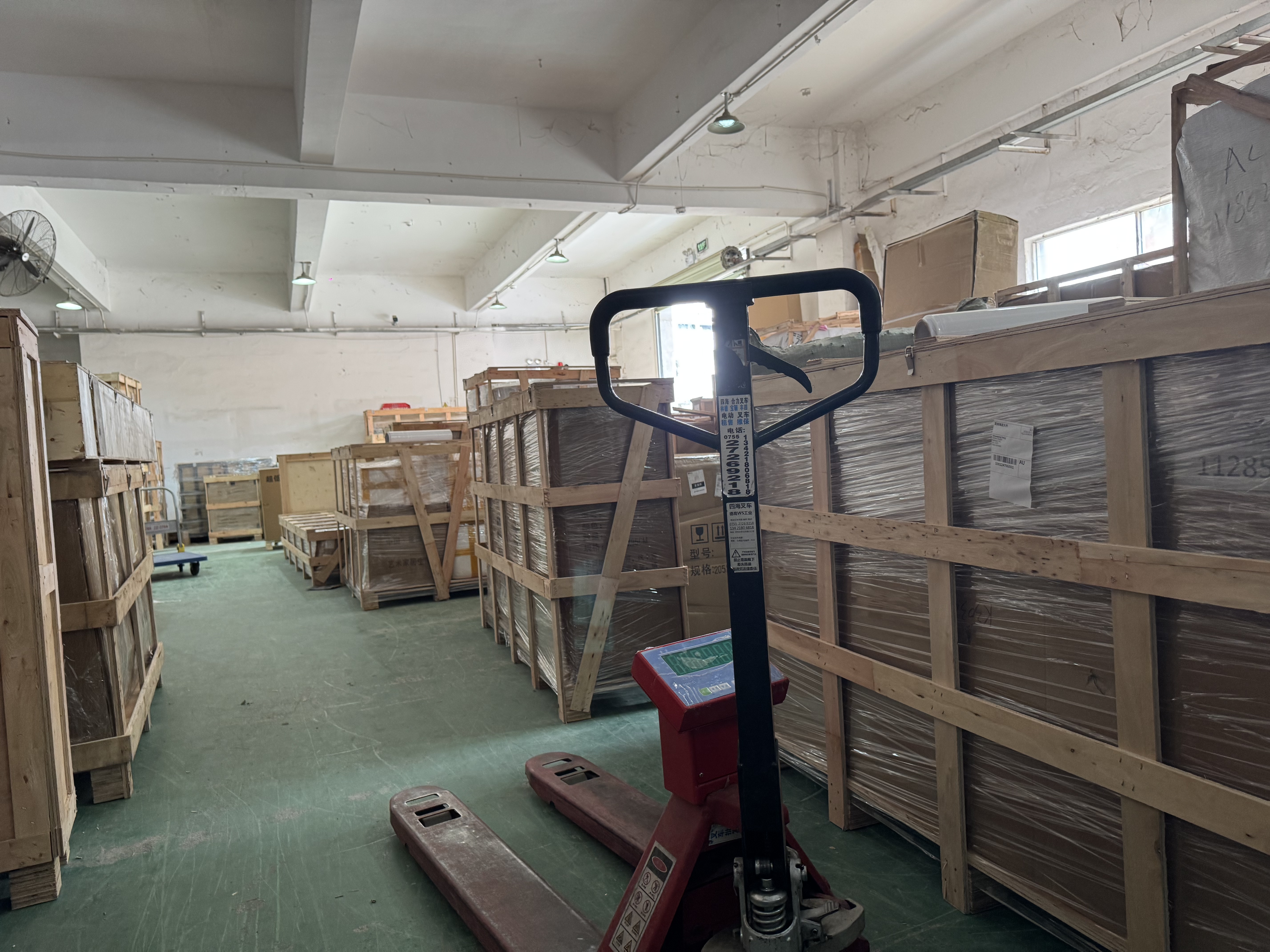
The Basics Parcel consolidation warehouses in China act as a central hub for your goods. When you order products from different suppliers in China, they're first shipped to the consolidation warehouse. There, the staff will combine all your parcels into one or a few larger shipments. This process helps in reducing shipping costs and streamlining the logistics process. For example, instead of paying for multiple small shipments with high individual shipping fees, you pay for a single, larger shipment which is often more cost - effective.Key Operations Receiving and Inspection: Once the parcels arrive at the warehouse, they're carefully inspected. The staff will check for any damages, verify the quantity, and ensure the products match your order. I remember a client in 2024 who ordered a batch of 3C electronics. When the parcels arrived at the consolidation warehouse, the staff noticed that some of the items were damaged. They immediately informed the client and the supplier, which saved a lot of hassle later on.
Consolidation and Repackaging: After inspection, the parcels are consolidated. The warehouse staff will repackage the goods to make them more compact and suitable for shipping. They'll use appropriate packing materials to protect your items during transit.
Shipping Arrangement: Once the consolidation is done, the warehouse will arrange the shipping to Australia. They'll choose the most suitable shipping method based on your requirements, such as air freight for urgent orders or sea freight for larger, less - urgent shipments.
III. Advantages of Using Parcel Consolidation Warehouses (Deep - Dive Section)
Cost Savings One of the most significant advantages is cost savings. Shipping multiple small parcels can be extremely expensive due to high handling fees and individual shipping charges. By consolidating your parcels, you can take advantage of bulk shipping rates. For instance, sea freight rates for a 20 - foot container are much lower per cubic meter compared to shipping multiple small packages. On average, you can save up to 30% - 40% on shipping costs by using a consolidation warehouse.Simplified Logistics It simplifies your logistics operations. Instead of dealing with multiple suppliers and their shipping arrangements, you have a single point of contact - the consolidation warehouse. This reduces the administrative burden and makes it easier to track your shipments. You can get real - time updates on the status of your consolidated shipment, from the moment it leaves the warehouse to its arrival in Australia.
Reduced Risk of Loss or Damage Since your items are consolidated and repackaged in a professional warehouse, the risk of loss or damage is reduced. The staff uses proper packing materials and techniques to ensure your products are well - protected during transit. For example, when shipping home goods, they'll use bubble wrap, foam, and sturdy boxes to prevent breakage.
Flexibility in Shipping Parcel consolidation warehouses offer flexibility in shipping. You can wait until you have enough products to fill a container or choose a smaller shipment option if you're in a hurry. This allows you to optimize your inventory management and shipping schedules according to your business needs.
IV. Potential Pitfalls and How to Avoid Them
Quality Control Issues One of the potential problems is quality control. Since the warehouse is dealing with multiple suppliers, there's a risk that some products may not meet your quality standards. To avoid this, you should have a clear quality control agreement with the warehouse. You can also ask for product photos or inspections before consolidation.Shipping Delays Shipping delays can occur due to various reasons, such as customs clearance issues in China or Australia, port congestion, or bad weather. To minimize delays, choose a reliable consolidation warehouse with a good track record. They should have experience in dealing with customs procedures and be able to quickly resolve any issues that arise.
Hidden Costs Some warehouses may have hidden costs, such as storage fees, handling fees, or additional charges for repackaging. Make sure you understand the fee structure upfront and get a detailed quote. Read the contract carefully to avoid any surprises later on.
V. 2026 Policy and Industry Updates
In 2026, there have been some policy changes and industry updates that affect cross - border logistics between China and Australia. The Australian Border Force (ABF) has tightened its biosecurity regulations. This means that all shipments from China, including those from consolidation warehouses, are subject to stricter inspections. For example, if you're importing food products, they need to meet strict biosecurity requirements. The warehouse should be aware of these regulations and ensure proper documentation and handling of your goods.
VI. FAQ
Q: How long does the consolidation process usually take? A: It depends on the volume of your items and the complexity of the consolidation. Generally, it takes about 2 - 3 business days. But if there are a large number of parcels or if there are quality control issues, it may take a bit longer.Q: Can I use a parcel consolidation warehouse for all types of products? A: Most products can be consolidated, but there are some restrictions. Hazardous materials, illegal items, and some restricted goods can't be shipped through a consolidation warehouse. For example, certain chemicals or weapons are not allowed. Make sure to check with the warehouse before sending your products.
Q: What if my products are damaged during the consolidation process? A: A reliable consolidation warehouse like Shengda International Logistics has a proper claims process. If your products are damaged during consolidation, they'll assess the damage and work with you and the insurance company (if applicable) to provide compensation. They'll also take steps to prevent similar issues in the future.
Q: How do I choose the best parcel consolidation warehouse in China? A: Look for a warehouse with a good reputation, experience in shipping to Australia, and a clear fee structure. Check their reviews and ask for references. You can also consider their location, as a warehouse near major ports or transportation hubs may offer faster shipping times. Shengda International Logistics is a great option. They have a team of experts who are well - versed in cross - border logistics and can provide you with high - quality service.
Q: Can I track my consolidated shipment? A: Yes, most good quality consolidation warehouses provide tracking services. You can use the tracking number they give you to monitor the progress of your shipment from the warehouse in China to your doorstep in Australia. This way, you'll always know where your goods are.
As you navigate the world of cross - border logistics in 2026, remember that parcel consolidation warehouses in China can be a powerful tool for your business. But make sure to do your due diligence and choose the right partner to ensure a smooth and cost - effective shipping process.
