

I. Introduction
Have you ever faced unexpected delays or hefty fees when shipping personal belongings to Australia? You're not alone. Many importers, small business owners, and e - commerce sellers encounter these issues. In 2026, new regulations and changes in the shipping industry have made the process more complex. I've been in the cross - border logistics game between China and Australia for years, and I've seen it all. Back in 2024, I had a client who was shipping a large quantity of home goods to Sydney. They didn't know about some new biosecurity rules and ended up with a long - term hold on their shipment at Port Botany. In this guide, I'll share my hands - on experience to help you navigate this process smoothly.
II. Key Regulations and Policies in 2026
Biosecurity Updates Australia's Department of Agriculture, Fisheries and Forestry (DAFF) has always had strict biosecurity measures. In 2026, these have been tightened further. For instance, any wooden items need to have proper treatment and certification. Unprocessed or untreated wood can carry pests and diseases, which could potentially harm Australia's ecosystem. I once had a client shipping antique wooden furniture from China. Since the wood wasn't properly treated, DAFF held the shipment for weeks until the client could prove its compliance.Customs Duties and Taxes The customs valuation process remains crucial. You'll need to provide accurate invoices for all your personal belongings. The Australian Border Force (ABF) uses Harmonized System (HS) codes to determine the appropriate duties and taxes. If you misclassify your items, you might end up paying more or face penalties. For example, shipping 3C electronics requires specific HS codes, and mistakes here can lead to customs issues.
III. Choosing the Right Shipping Method (Core Section - 40% of the article)
Air Freight Advantages: Air freight is extremely fast. It usually takes roughly 7 - 12 days for the shipment to reach major Australian cities like Sydney or Melbourne. This is ideal if you're in a hurry to get your personal belongings, such as urgent 3C electronics for your e - commerce business. The process is more straightforward when it comes to customs clearance as well, since the volume of goods is generally smaller compared to sea freight.Limitations: However, air freight is significantly more expensive. The cost can be up to 5 - 7 times higher than sea freight. Also, there are limits on the size and weight of the packages you can ship. You can't easily send large - scale items like furniture or oversized home goods via air freight.
Sea Freight Full Container Load (FCL) Advantages: If you have a large quantity of personal belongings, FCL is a great option. You get an entire container, which means your goods won't be mixed with others', reducing the risk of damage. It's also cost - effective for large volumes, as the price per unit decreases with more goods. For example, if you're shipping an entire collection of home goods for a new store in Brisbane, FCL would be economical.
Limitations: You need to fill the container, or else you're paying for unused space. The shipping time is longer, usually around 25 - 35 days. Any delays at the port can also have a significant impact on your timeline.
Less - than - Container Load (LCL) Advantages: LCL is suitable for smaller shipments. You only pay for the space your goods take up in a shared container. This is a good choice for individual importers or small business owners with limited goods. It offers more flexibility in terms of volume.
Limitations: Since your goods are sharing a container with others, there's a slightly higher risk of damage. And the handling process is more complex, which may lead to additional handling fees. The customs clearance can also be more time - consuming as multiple consignments need to be processed.
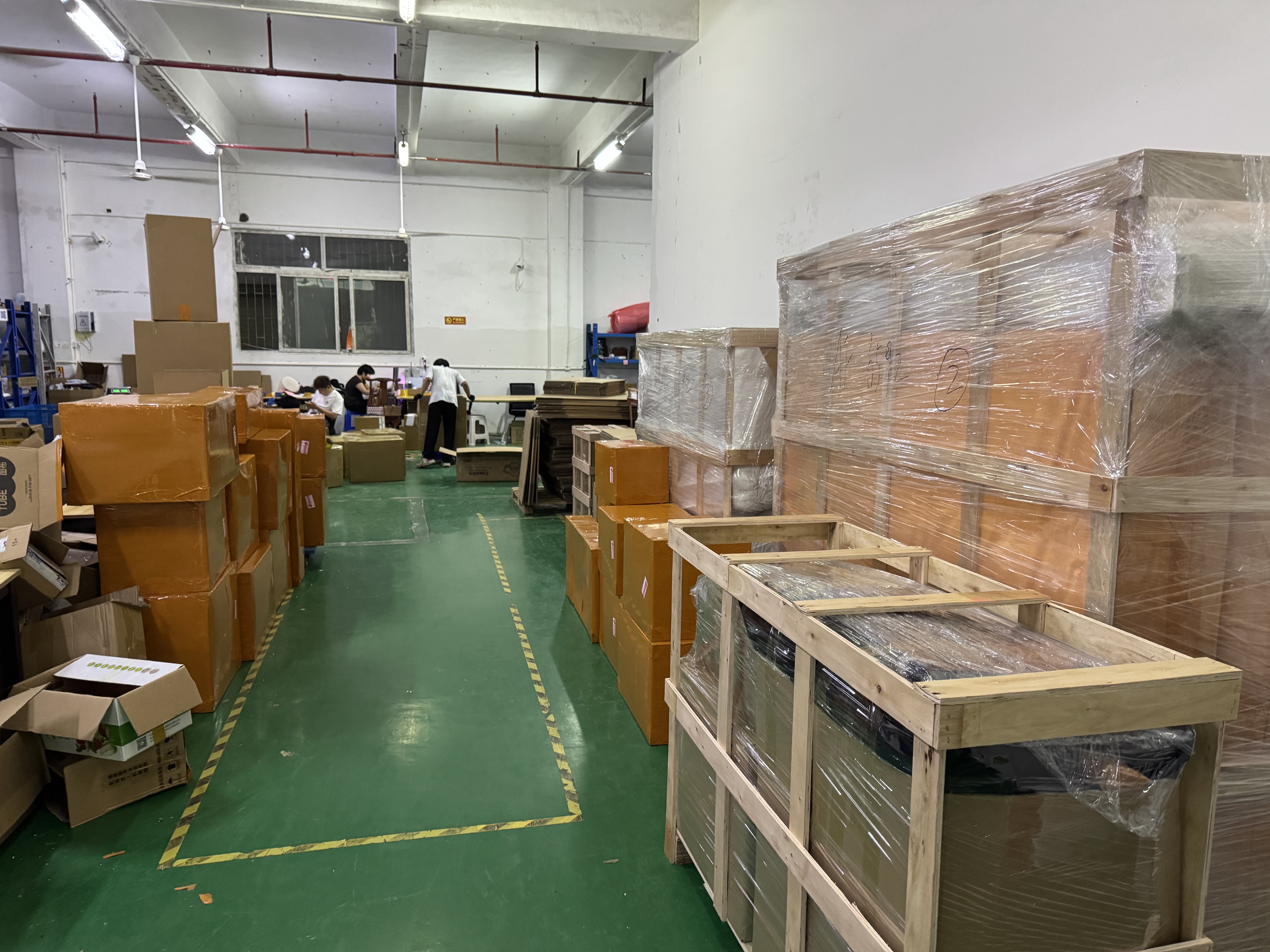
Example of Shipping Method Selection Let's say you're a home goods seller in Sydney. You've just bought a new batch of decorative items from China. If you need the goods urgently to restock your store, air freight might be the best option despite the cost. But if you have a large order and you're not in a rush, going for sea freight, either FCL or LCL depending on the volume, would save you a lot of money.
IV. Pre - Shipment Preparation
Packing Proper packing is crucial to protect your personal belongings during transit. For fragile items like glassware or electronics, use bubble wrap and cushioning materials. Secure the items within the box to prevent them from moving around. For furniture, consider disassembling them if possible and wrap them in protective covers.Documentation You'll need to prepare a detailed packing list. Include descriptions, quantities, values, and HS codes for each item. Also, ensure you have the commercial invoice. This should match the packing list and show accurate prices. Incorrect documentation can lead to customs delays and potential fines.
V. Shipping Process and After - Delivery
Loading and Transit Once your goods are packed and documented, they'll be loaded onto the chosen shipping vehicle. In the case of sea freight, the container is loaded at the port in China and then sets sail to Australia. During transit, you can track the shipment using the provided tracking number if your shipping company offers it.Customs Clearance in Australia When the shipment arrives in an Australian port like Port of Melbourne, it goes through customs clearance. The ABF will check your documentation and may inspect the goods. If everything is in order, your goods will be released. Sometimes, they may require additional information or clarification, so it's important to be responsive.
Delivery to Your Location After customs clearance, your goods will be delivered to your specified address. Make sure you're available to receive them or arrange for someone else to receive on your behalf.
VI. FAQ
What's the cost difference between air freight and sea freight for shipping personal belongings in 2026? Well, air freight is much pricier. It can be 5 - 7 times more expensive than sea freight. But it's really fast, usually taking 7 - 12 days, while sea freight takes around 25 - 35 days. The decision depends on how quickly you need your items. For example, at [盛达国际物流], we can provide detailed cost quotes based on your specific shipment.Do I need to pay customs duties for all my personal belongings? Not necessarily. It depends on the value and type of your items. The ABF has certain thresholds. Items below a certain value may be exempt from duties. But you still need to declare all your goods accurately. And make sure you use the correct HS codes to avoid any issues.
What should I do if my shipment is held at customs? First, don't panic. Contact your shipping agent immediately. Usually, it's because there's an issue with the documentation. You may need to provide additional information or clarify some details. For example, if the description of the goods doesn't match the invoice, you'll need to fix that as soon as possible.
Can I ship sensitive items like food or cosmetics to Australia? Yes, but it's more complicated. You need to use a compliant shipping channel. At [盛达国际物流], we have a sensitive goods compliance专线 that can handle these types of items. We'll make sure all the necessary declarations and approvals are in place to minimize the risk of customs issues.
How long can I store my goods at the shipping company's warehouse in China before shipping? It varies by company. Some may charge after a short period, but at [盛达国际物流], we offer 365 - day long - term free storage. This gives you the flexibility to collect and consolidate your goods before shipping them to Australia.
