

I. Introduction
If you're an Australian small business owner, importer, or e - commerce seller planning to ship furniture from China to Adelaide in 2026, you're in for a complex yet rewarding journey. I've been in the cross - border logistics field for quite some time, and I've seen many clients stumble due to lack of proper knowledge. For example, a 3C electronics seller back in 2023, who also dabbled in occasional furniture imports, lost a significant amount of money because of customs issues. So, let's dive into this guide to help you navigate the process.
II. 2026 Policy and Regulation Updates
In 2026, there have been some notable changes in the Australian Border Force (ABF) and Department of Agriculture, Fisheries and Forestry (DAFF) regulations. The ABF has tightened its rules on customs valuation. They now require more detailed documentation to accurately assess the value of the furniture. This means you'll need to provide invoices that clearly state the cost of production, shipping, and any other associated fees.
DAFF, on the other hand, has increased its focus on biosecurity. As furniture often contains wood or other organic materials, it must pass strict quarantine inspections. For instance, if the wood has not been properly treated or if there are signs of pests, the shipment could be held up or even rejected.
III. Shipping Methods and Their Considerations
Full - container Shipping (FCL) Advantages: This is ideal for large - scale importers. You have exclusive use of the container, which reduces the risk of damage to your furniture. It also offers more flexibility in terms of loading and unloading schedules.Limitations: It can be costly, especially if you don't have enough furniture to fill a whole container. The minimum order quantity for FCL is usually around 20 - 40 cubic meters, depending on the container size.
Less - than - container Load (LCL) Advantages: LCL is a more cost - effective option for small - scale importers. You only pay for the space your furniture occupies in a shared container.
Limitations: There is a higher risk of damage as your furniture will be sharing space with other goods. Also, the transit time can be longer due to the additional handling and consolidation processes.
IV. Step - by - Step Shipping Process
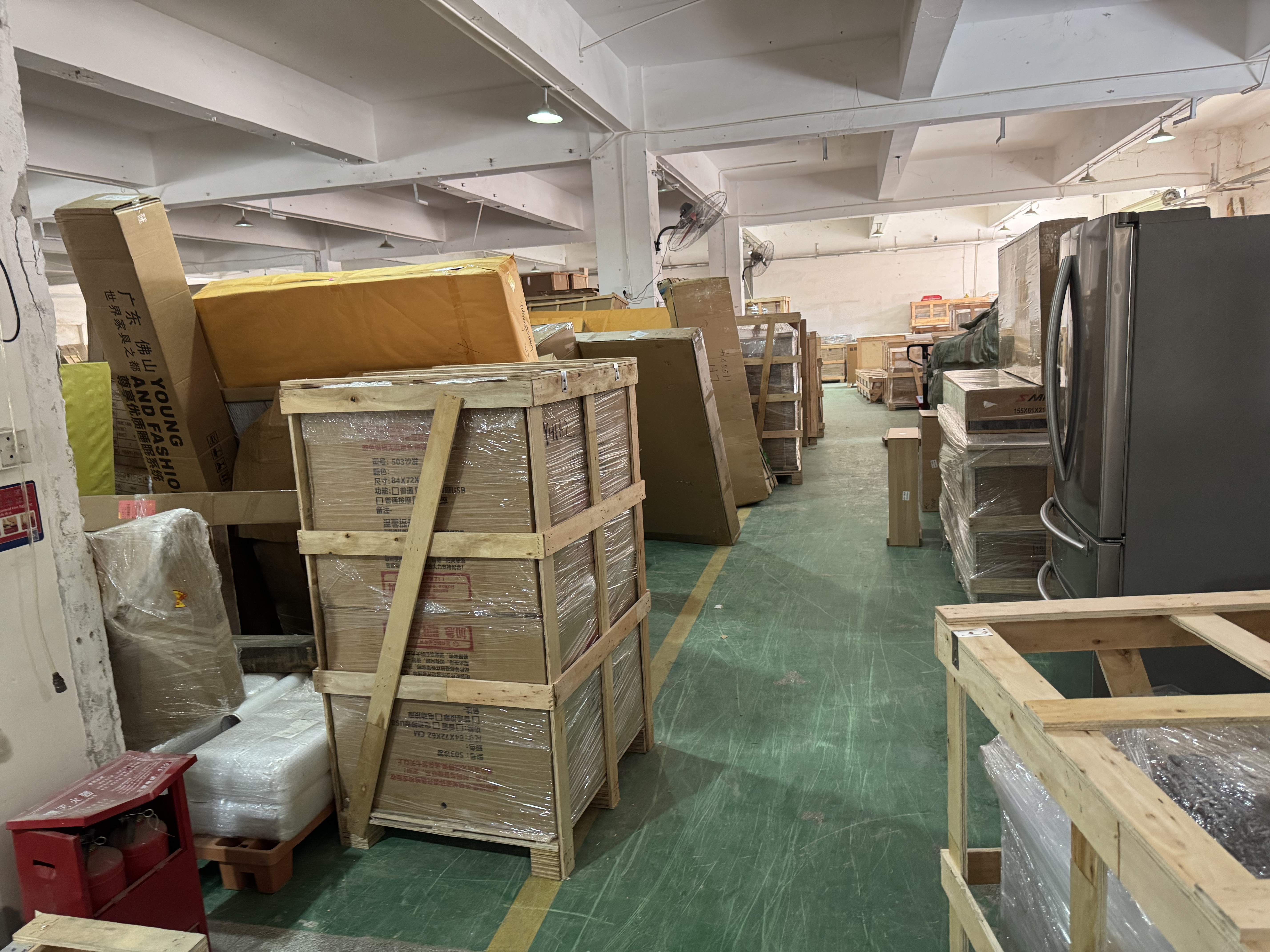
Supplier Selection and Order Placement Choose a reliable furniture supplier in China. Look for suppliers with a good track record of exporting to Australia. Once you've selected a supplier, place your order and ensure that all the details, such as the quantity, quality, and delivery date, are clearly stated in the contract.Pre - shipment Preparation Packing: Furniture should be packed securely to prevent damage during transit. Use high - quality packing materials, such as bubble wrap and wooden crates for fragile items.
Documentation: Prepare all the necessary documents, including the commercial invoice, packing list, bill of lading, and any certificates required by the Australian authorities, such as phytosanitary certificates for wooden furniture.
Shipping and Transit Once your furniture is ready, it will be transported to the port in China. From there, it will be loaded onto a ship bound for Adelaide. The transit time can vary from roughly 14 to 21 days, depending on the shipping line and the season.
Customs Clearance in Adelaide Biosecurity Inspection: The furniture will first go through a biosecurity inspection by DAFF. If any issues are found, it may be subject to treatment or disposal.
Customs Valuation: The ABF will assess the value of the furniture based on the provided documentation. Make sure your invoices are accurate to avoid any disputes.
Delivery After customs clearance, your furniture will be delivered to your designated location in Adelaide. Some shipping companies, like Shengda International Logistics, offer door - to - door services, which can save you a lot of hassle.
V. Cost Breakdown
Furniture Cost: This is the price you pay to the supplier in China.Shipping Cost: For FCL, it can range from $2,500 - $4,500 depending on the container size and the shipping route.
LCL cost is usually calculated per cubic meter, around $100 - $200 per cubic meter.
Customs Duties and Taxes: These are calculated based on the value of the furniture and the applicable tariff rates. On average, you can expect to pay around 5% - 10% of the furniture value in duties and taxes.
Handling and Delivery Fees: These fees cover the cost of handling the furniture at the port and delivering it to your location. They can range from $300 - $800.
VI. FAQ
What if my furniture fails the biosecurity inspection? If your furniture fails the biosecurity inspection, DAFF may require it to be treated, such as fumigation. In some cases, if the infestation is severe, the furniture may need to be destroyed. It's important to work with a reliable supplier who follows proper wood treatment procedures to minimize this risk.Can I track my furniture shipment? Yes, most shipping companies provide tracking services. You can get a tracking number, usually from the bill of lading, and check the status of your shipment online. For example, Shengda International Logistics has a self - developed intelligent shipping system that allows you to track your furniture from the moment it leaves the warehouse in China until it arrives in Adelaide.
How can I ensure my furniture arrives in good condition? Proper packing is key. Use robust packing materials and ensure that the furniture is well - cushioned. You can also consider purchasing insurance for your shipment. Additionally, work with a shipping company that has experience in handling furniture to reduce the risk of damage during transit.
What should I do if there are delays in customs clearance? If there are delays, first check if there are any issues with your documentation. Make sure all the documents are complete and accurate. You can also communicate with your shipping agent or customs broker. They can help you resolve any problems and expedite the clearance process.
Is it necessary to use a customs broker? While it's not mandatory, using a customs broker can be very helpful. They have in - depth knowledge of the Australian customs regulations and can ensure that your paperwork is in order. This can save you time and reduce the risk of customs issues. Shengda International Logistics has an in - house team of customs experts who can assist you with the customs clearance process.
As you plan to ship furniture from China to Adelaide in 2026, keep these points in mind. The process may seem daunting, but with the right knowledge and the support of a reliable logistics partner, you can ensure a smooth and successful shipment.
