

I. Industry Background
In 2026, the China-Canada commercial cargo sea freight industry is facing new challenges and changes due to various factors such as policy adjustments, market fluctuations, and environmental regulations. As a professional with years of first - hand experience in cross - border logistics, I've seen many businesses run into issues during shipping. In this article, I'll share some common pitfalls and how you can avoid them to ensure a smooth and cost - effective shipping process.
II. Common Pitfalls and Solutions
1. Policy and Regulatory Changes
The Canadian Border Services Agency (CBSA) and other relevant authorities have updated their regulations in 2026. A notable change is the more stringent inspection of goods for environmental compliance, especially for products that might have an impact on the Canadian ecosystem. I remember a client in early 2026, a home goods seller sending furniture made from certain types of wood. They were not aware that the wood required a special certificate of origin and compliance with Canadian forestry regulations. As a result, their shipment was held at the Port of Vancouver for almost 2 weeks, causing significant delays and additional storage costs.
Solution:
Stay Informed: Regularly check the official websites of Canadian regulatory agencies, like the CBSA. Subscribe to industry newsletters and updates to stay on top of any policy changes.Pre - Shipment Consultation: Before shipping, consult with a customs broker or a professional logistics provider. They can help you understand the documentation requirements and ensure your goods meet the regulations.
2. Incorrect Documentation
Documentation is the lifeblood of cross - border sea freight. In 2026, the complexity of documents has increased. For instance, the enhanced eManifest system requires more detailed and accurate information about the cargo. One of my 3C electronics seller clients made a mistake in the HS codes provided. The HS code is crucial as it determines the tariff rate and the type of inspection goods will undergo. Due to the incorrect HS code, the shipment was re - evaluated at the Canadian port, leading to a delay of about 10 days and an unexpected increase in customs duties.
Solution:
Double - Check Documents: Have a checklist of all required documents and review them multiple times. Involve your suppliers in this process as they are often responsible for providing some of the key information.Use Professional Services: A reliable freight forwarder or customs broker can handle the documentation process. They have the expertise to ensure all documents are accurate and compliant.
3. Port Congestion and Delays
Ports in Canada, such as the Port of Vancouver and the Port of Montreal, have been facing congestion issues in 2026. This is due to a combination of factors, including increased trade volume, labor shortages, and bad weather conditions. A few months ago, an apparel importer had a consignment stuck at the Port of Montreal for over 15 days because of a labor strike. The goods couldn't be loaded or unloaded in a timely manner, which disrupted their supply chain and sales plans.
Solution:
Plan Ahead: Look at historical data on port congestion and plan your shipping schedule accordingly. Consider off - peak shipping times if possible.Diversify Ports: Instead of relying on a single port, have alternative ports in mind. This gives you more flexibility in case one port experiences severe congestion.
4. Freight Rate Fluctuations
In 2026, the sea freight market has been highly volatile. Factors such as rising fuel prices and geopolitical tensions have caused significant fluctuations in freight rates. I've worked with trade factories that locked in a shipping contract at a relatively high rate, only to see the rates drop significantly a few weeks later. This not only increased their shipping costs but also affected their profit margins.
Solution:
Flexible Contracts: Consider using flexible shipping contracts that allow for some adjustment in freight rates based on market conditions.Market Analysis: Continuously monitor the freight market and work with a logistics provider who can offer insights on rate trends and help you make informed decisions.
5. Packaging and Cargo Damage
Proper packaging is essential for sea freight. In 2026, with stricter environmental regulations, there are also new requirements for packaging materials. A home goods seller once shipped glassware without adequate packaging. During the long - haul sea journey, a large portion of the glassware was damaged due to rough handling and lack of proper cushioning. This led to financial losses and customer dissatisfaction.
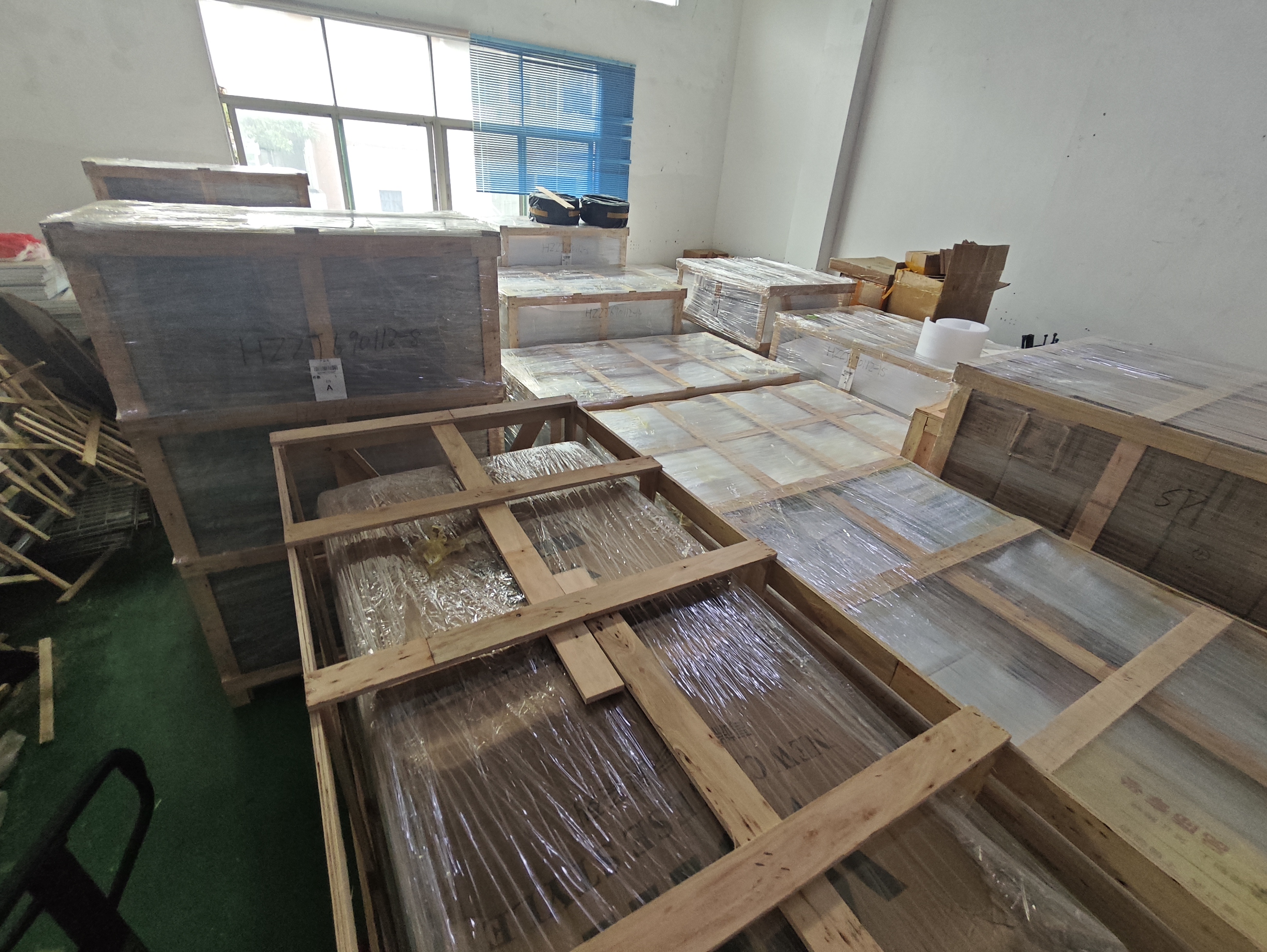
Solution:
Use Appropriate Packaging: Choose packaging materials that are strong enough to withstand the rigors of sea transportation. For fragile items, use additional cushioning materials.Follow Environmental Regulations: Ensure your packaging materials comply with Canadian environmental regulations. For example, avoid using certain types of plastics that are not recyclable.
III. FAQ
1. How can I find a reliable customs broker in Canada?
You can start by asking for recommendations from other businesses in your industry. Look for brokers who are licensed by the CBSA and have a good track record. Check online reviews and ratings, and also consider interviewing a few brokers to understand their services and fees.
2. What should I do if my shipment is delayed at the port?
First, contact your freight forwarder or customs broker immediately. They can provide you with the latest information on the status of your shipment.If the delay is due to a regulatory issue, work with them to resolve the problem as quickly as possible. This may involve providing additional documentation or making corrections to existing documents.
Consider the impact on your supply chain and communicate with your customers to manage their expectations.
3. Are there any specific labeling requirements for goods shipped to Canada?
Yes, there are. Goods typically need to be labeled with the product name, country of origin, quantity, and sometimes, specific safety or regulatory information. The labeling requirements may vary depending on the type of goods. For example, food products have strict labeling requirements set by the Canadian Food Inspection Agency (CFIA). It's best to consult with a customs broker or relevant regulatory agency to ensure your goods are properly labeled.
4. Can I negotiate freight rates with my shipping provider?
Yes, you can. However, the extent to which you can negotiate depends on various factors such as the volume of your shipments, the shipping route, and the current market conditions. It's a good idea to have some market research and data on hand when negotiating. You can also consider long - term contracts with your shipping provider to get more favorable rates.
5. How can I reduce the risk of cargo damage during sea freight?
As mentioned earlier, use proper packaging materials. Conduct a thorough inspection of the packaging before shipping.Work with a shipping provider that has a good reputation for handling cargo carefully. They should have proper loading and unloading procedures in place.
Consider purchasing cargo insurance to protect against potential losses in case of damage or loss during transit.
In the ever - changing landscape of China - Canada commercial cargo sea freight, being aware of these pitfalls and taking proactive measures to avoid them will help you streamline your shipping operations and enhance your business's competitiveness. Keep an eye on the market and regulatory changes, and don't hesitate to seek professional advice when needed.
