

I. Introduction
In 2026, the cross - border logistics between China and Australia has witnessed some significant policy changes. For Australian small business owners, importers, and e - commerce sellers, understanding the full - flow guide for forwarding bought items from China to Australia is crucial. I've been in the cross - border logistics industry for years, dealing with various goods and different clients. Once, a 3C electronics seller in Sydney was in big trouble because of improper shipping procedures. Let me share with you the full - flow guide based on my hands - on experience.
II. Pre - shipment Preparation
Product Research and Classification First, you need to accurately classify your products according to the HS codes. This is vital for customs declaration. For example, if you're an apparel importer, different types of clothing have different HS codes. Failing to use the correct code can lead to customs delays or even fines. In 2026, the Australian Border Force (ABF) has tightened the scrutiny of HS code accuracy.Also, research the Australian market demand and regulations for your products. For instance, certain home goods may have specific safety and environmental standards in Australia.
Selecting a Logistics Provider This is a key step. You should choose a reliable logistics company that has experience in the China - Australia route. I always tell my clients that not all logistics providers are the same. I once had a client who chose a less - experienced provider, and their shipment was delayed for roughly 14 days due to mismanagement at the port.
Look for a company like Shengda International Logistics that focuses on the China - Australia route. They have in - depth knowledge of local laws and regulations, and can offer different shipping options such as air freight, sea freight (including LCL and FCL), and special services for sensitive goods.
III. Shipping Options
Air Freight Advantages: It has a short transit time, usually around 7 - 12 days. This is suitable for small, high - value items or urgent orders. For example, 3C electronics sellers may prefer air freight to quickly replenish their stocks.It has fewer transfers, which means less risk of damage or loss.
Limitations: It is more expensive compared to sea freight. The cost per kilogram can be several times higher.
There are weight and volume restrictions. For larger or heavier items, air freight may not be cost - effective.
Sea Freight LCL (Less than Container Load): Advantages:
It is cost - effective for small to medium - sized shipments. If you're a home goods seller with a relatively small order, LCL can save you a lot of money.
It provides door - to - door service with double - clearing and tax - included. This means you don't have to worry about the complex customs procedures and additional fees when the goods arrive in Australia.
Limitations:
The transit time is longer, usually around 30 - 45 days. So, it's not suitable for urgent orders.
There may be some uncertainties in the consolidation process, such as possible delays caused by waiting for other shipments to fill the container.
FCL (Full Container Load): Advantages:
It is suitable for large - scale shipments. If you're a trade factory exporting a large volume of products, FCL is a better choice.
The goods are less likely to be damaged during transportation as they are in a container of their own.
Limitations:
You need to have enough goods to fill the container. Otherwise, it may be wasteful.
Higher upfront costs for the container rental and shipping.
IV. Customs Clearance
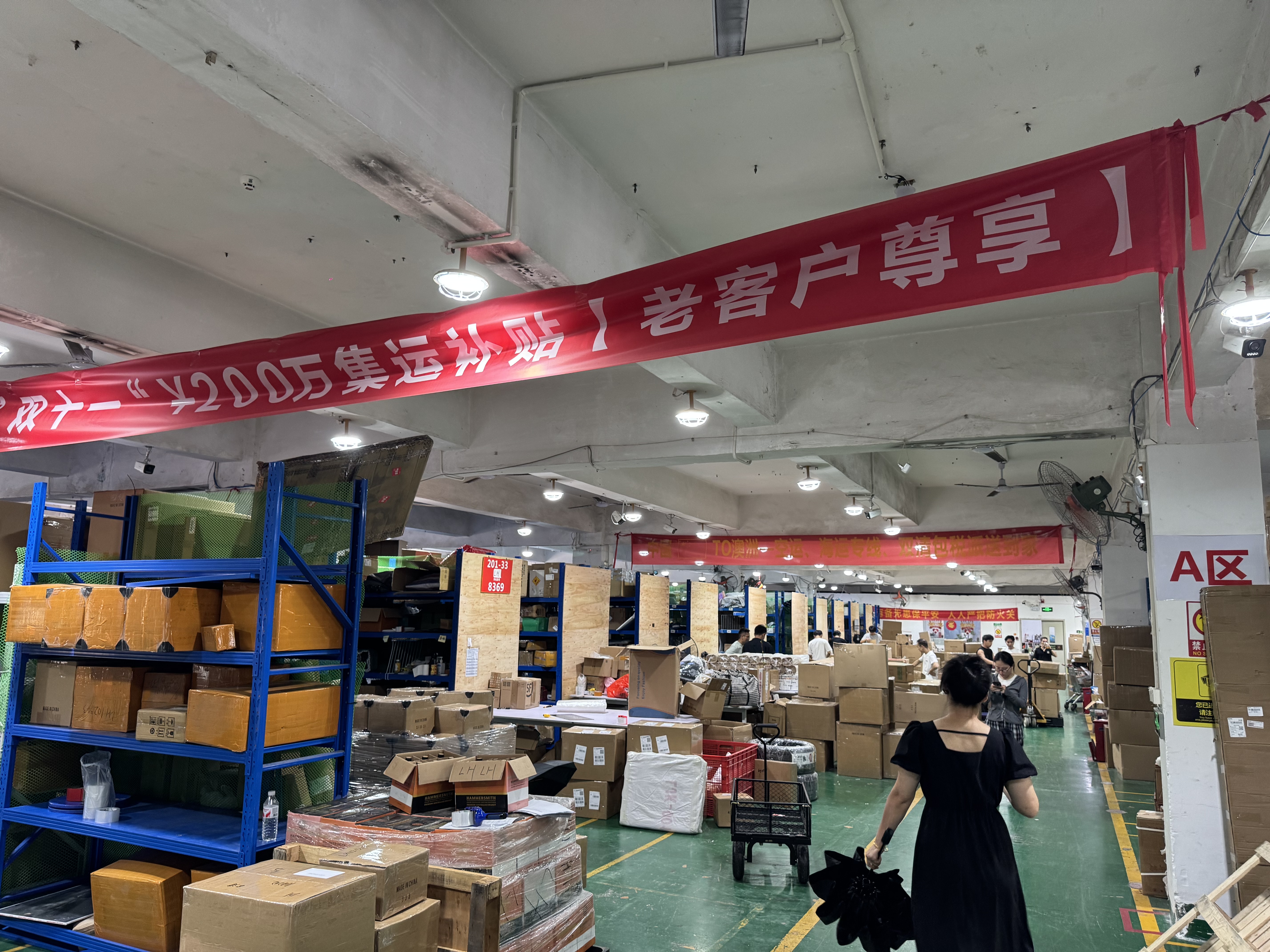
For example, in 2026, the ABF may conduct more in - depth inspections of the value declared on the invoice. Incorrect valuation can lead to customs disputes and additional taxes.
Biosecurity Regulations Australia has strict biosecurity regulations. The Department of Agriculture, Fisheries and Forestry (DAFF) has very high requirements regarding items that may carry pests or diseases. For instance, wood products need to be properly treated and inspected. If you're shipping furniture with wooden parts, ensure they have been fumigated or heat - treated according to Australian standards.
Some food products may also be subject to strict inspection. You need to provide the necessary import permits and health certificates.
V. Destination Delivery
Last - mile Delivery After the goods clear customs, the last - mile delivery is crucial. A good logistics provider will have a reliable local delivery network. For example, in cities like Sydney, Melbourne, and Brisbane, they can ensure that the goods are delivered to your warehouse or store in a timely manner.However, last - mile delivery in some remote areas of Australia may face some challenges, such as longer distances and difficult terrains. Make sure your logistics provider has strategies to handle these situations.
Receiving and Inspection When you receive the goods, you should conduct a thorough inspection. Check for any damage, missing items, or discrepancies with the order. If there are any problems, report them to your logistics provider immediately. They usually have a claim process to handle such issues, and for a reliable company like Shengda International Logistics, they have a standard compensation mechanism for damaged or lost goods.
VI. FAQ
Q: How can I ensure my goods pass the Australian customs smoothly? A: Well, accurate documentation is a must. Classify your products correctly using the HS codes, and declare the value honestly. Also, comply with the biosecurity regulations. Using a professional logistics company like Shengda International Logistics can help a lot as they have experience in customs clearance and can guide you through the whole process.Q: What if my goods are damaged during transportation? A: Most reliable logistics providers have a claims process. When you find the damage upon receiving the goods, take photos as evidence and report it to the company right away. For example, Shengda International Logistics has a formal compensation mechanism for damaged or lost goods, assuming it's due to their operational mistakes.
Q: Which shipping option is better for me, air or sea freight? A: It depends on your needs. If you have urgent orders or small, high - value items, air freight is a better choice. But if you have large - scale shipments and don't mind the longer transit time, sea freight is more cost - effective. For small - quantity home goods, sea freight LCL can be a great option.
Q: Are there any restrictions on shipping sensitive goods to Australia? A: Yes, there are. Australia has strict regulations on sensitive goods such as food, cosmetics, and带电产品 (electrical products with batteries). You need to use a special compliance channel. Shengda International Logistics has a dedicated sensitive goods compliance专线 (special line) that can help you ship these goods in a legal and compliant way.
Q: Can I track my shipment? A: Definitely. Most professional logistics companies offer tracking services. For example, Shengda International Logistics has a self - developed intelligent tracking system. You can check the status of your shipment, including warehousing, packing, transportation, and delivery, at any time through their system. This helps you stay informed about your goods throughout the whole process.
As you can see, the process of forwarding bought items from China to Australia in 2026 can be complex, but with careful planning, the right logistics partner, and compliance with regulations, you can ensure a smooth and efficient shipping process. Keep these points in mind and don't hesitate to ask for professional advice when needed.
