

I. Introduction
Moving to Australia as an immigrant is a significant step, but it comes with a plethora of challenges in the logistics process. I've seen many immigrants overwhelmed by customs issues, damaged goods, and high costs. In 2026, new policies and regulations have been introduced, making the shipping process even more complex. Let's explore how to avoid these common pitfalls.
II. Typical Pitfalls in Immigrant Relocation
Customs and Biosecurity Regulations The Australian Border Force (ABF) and the Department of Agriculture, Fisheries and Forestry (DAFF) have strict regulations. For instance, items made of wood need proper fumigation certificates. I had a client back in 2026 who shipped a beautiful set of wooden furniture from China without knowing about the fumigation requirement. The furniture was held at Port Botany for several weeks, and he had to pay additional fees for on - site fumigation.Hidden Costs Many immigrants are caught off guard by hidden costs. Standard shipping quotes often don't include things like terminal handling charges, documentation fees, and local delivery fees at the Australian end. A 3C electronics seller I knew expected a straightforward shipping cost but was shocked when he received a bill with a bunch of unexpected charges upon arrival in Melbourne.
Goods Damage during Transit Fragile items like glassware and electronics are at high risk of damage. Insufficient packing is usually the culprit. Once, an apparel importer shipped a large quantity of delicate silk dresses. Due to poor packaging, many of the dresses arrived with wrinkles and some even had holes, causing significant losses.
III. In - depth Analysis: Customs and Biosecurity Compliance
This is the most critical part of the relocation process, taking up about 40% of the overall considerations. The 2026 Australian policies have tightened the rules on importing goods, especially regarding biosecurity.
Customs clearance requires accurate and detailed documentation. First, you must have a valid Invoice that clearly states the value, quantity, and description of the goods. Incorrectly declared values can lead to over - or under - payment of duties and taxes, and may even trigger an audit. Second, the packing list should be specific about what's in each box, including the type of item and its quantity.
For biosecurity, any organic material like fruits, vegetables, and certain types of soil is strictly prohibited. If you're shipping wooden items, as mentioned earlier, they must be properly treated. You'll need a phytosanitary certificate issued by the exporting country's relevant authority, indicating that the wood is free from pests and diseases. If you fail to comply with these regulations, your goods may be subject to fines, destruction, or long - term quarantine.
IV. Strategies to Avoid Pitfalls
Pre - shipment Preparation Research and Knowledge: Thoroughly research Australian customs and biosecurity regulations before packing. You can visit the official websites of ABF and DAFF to understand the rules.Choose a Reputable Logistics Provider: A reliable company like Shengda International Logistics can offer expertise in navigating the complex shipping process. They know the ins and outs of customs clearance and can help you prepare the necessary documents.
Proper Packing: Use high - quality packing materials and appropriate packing methods according to the nature of the goods. For fragile items, use extra padding and shock - absorbing materials.
Documentation Management Accuracy: Ensure all documents are accurate and up - to - date. Any misinformation can cause delays and additional costs.
Organize: Keep all documents in a well - organized manner, and make digital copies for backup.
Cost Management Get Detailed Quotes: Request detailed quotes from logistics providers, including all possible charges. Compare different quotes to find the most cost - effective option.
Budget for Contingencies: Set aside some extra funds to cover unexpected expenses during the shipping process.
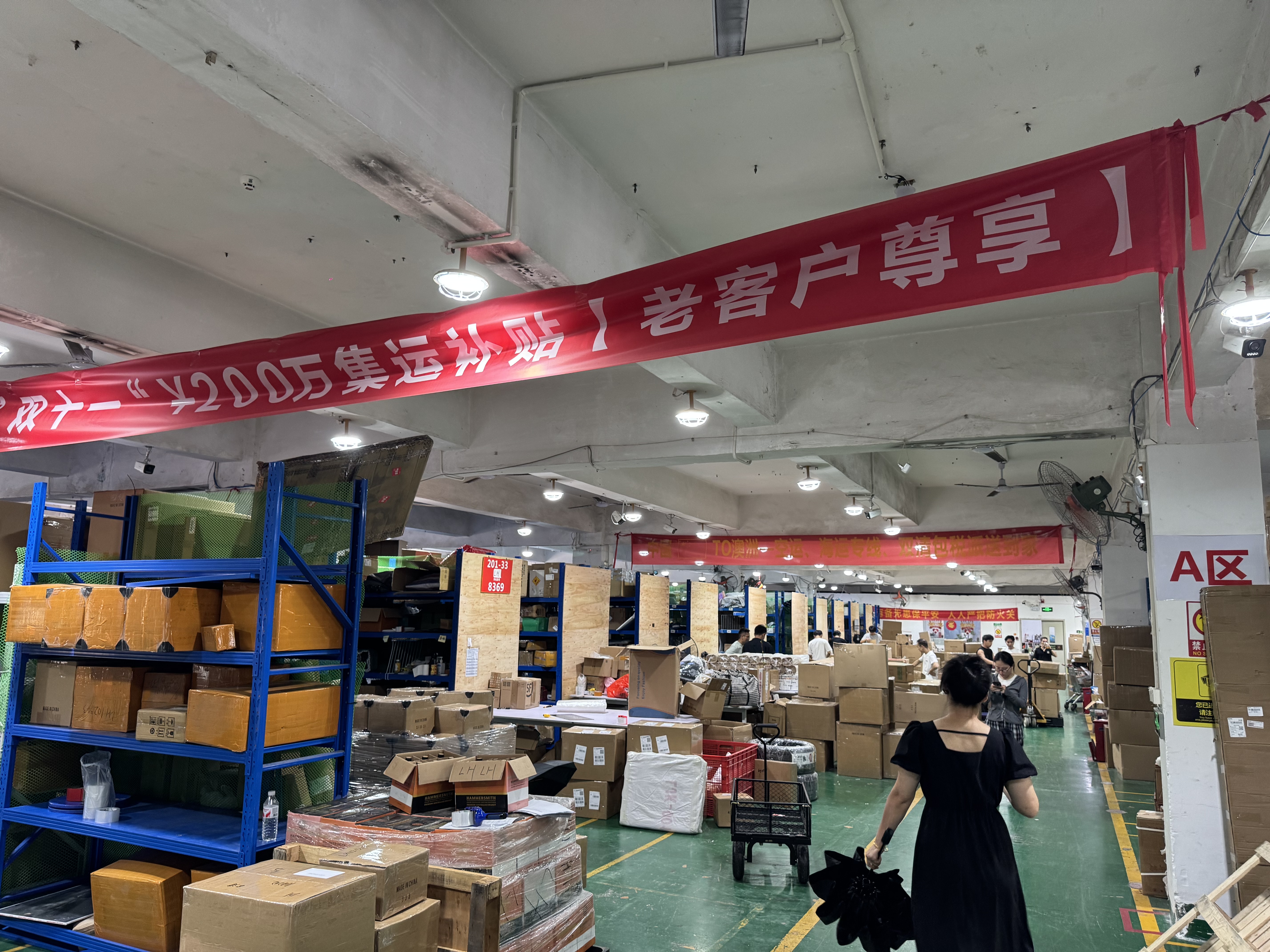
V. Case Studies
Home Goods Seller in Sydney Specific Scenario: A home goods seller in Sydney was relocating a large quantity of home decor items from China, including vases, rugs, and small furniture pieces.Problem Encountered: The initial quote from a cheap logistics provider didn't include many hidden costs. Also, the improper packing of the vases led to several of them breaking during transit.
Final Outcome: After switching to Shengda International Logistics, they helped the seller re - pack the remaining items properly and handled the customs clearance smoothly. The seller was able to receive the undamaged goods on time and avoid further losses.
3C Electronics Seller in Melbourne Specific Scenario: An electronics seller in Melbourne was importing a batch of smartphones and tablets from China.
Problem Encountered: The seller underestimated the customs duties and taxes due to incorrect value declaration. The goods were held at the Port of Melbourne for an audit.
Final Outcome: Shengda International Logistics intervened, helped correct the documentation, and negotiated with the customs authorities. Eventually, the goods were released, and the seller learned a valuable lesson about accurate documentation.
VI. FAQs
Q: How long does it usually take to clear customs for immigrant relocation goods? A: It varies depending on many factors. Generally, if all documents are in order and there are no biosecurity issues, it can take anywhere from a few days to a couple of weeks. But if there are problems, like incorrect documentation or biosecurity concerns, it could take much longer.Q: Can I ship my personal items along with commercial goods? A: Yes, you can, but you need to separate them clearly on the documentation. Personal items may have different duty and tax regulations, so it's important to declare them correctly.
Q: Why is it important to choose a reliable logistics provider like Shengda International Logistics? A: A reliable provider has in - depth knowledge of Australian customs and shipping procedures. They can help you avoid common mistakes, handle paperwork accurately, and ensure the safe and timely delivery of your goods. Shengda International Logistics, for example, has a team of experts who are familiar with the 2026 policies and can offer customized solutions.
Q: What should I do if my goods are damaged during transit? A: First, take photos of the damaged goods and the packaging immediately. Then, contact your logistics provider. A reputable company like Shengda International Logistics has a standard claims process. They'll investigate the issue and help you get appropriate compensation according to their insurance policy.
Q: Are there any restrictions on shipping pets to Australia? A: Yes, there are very strict regulations regarding pet import. You'll need to meet requirements such as vaccination records, quarantine procedures, and obtaining the necessary permits from the relevant Australian authorities. It's best to start the process well in advance and work with a specialized pet shipper or your logistics provider to ensure compliance.
In your immigrant relocation to Australia in 2026, paying close attention to these details and taking proactive measures can help you avoid costly mistakes and ensure a smooth shipping process.
