

I. Introduction
Hey there, Australian small business owners, importers, and e - commerce sellers! Shipping personal effects to Canada might seem like a straightforward process, but trust me, from my years in the cross - border logistics frontline, there are plenty of pitfalls. One of my clients in 2025 wanted to ship a collection of art pieces to Vancouver. They thought they'd sorted everything out, but it ended up being a nightmare due to some common mistakes that could've been easily avoided. In this article, I'll guide you through what to steer clear of when making these shipments in 2026, considering the latest changes in policies and industry norms.
II. Customs and Regulatory Avoidances
Inaccurate Documentation In 2026, Canadian Border Services Agency (CBSA) has tightened its grip on documentation accuracy. I once had a client who shipped a batch of apparel to Toronto. They filled out the HS codes incorrectly on the commercial invoice, thinking it was a minor detail. The shipment got held up at the Port of Vancouver for over two weeks. The CBSA required them to resubmit accurate documentation, causing significant delays and added costs for storage. So, when filling out documents like the commercial invoice, packing list, and bill of lading, double - check all the information, especially product descriptions, quantities, values, and HS codes.Keep in mind that the 2026 regulations also demand more detailed information about the origin of the goods. If you're shipping goods from multiple suppliers or countries, make sure to accurately state each origin, as false declarations can lead to hefty fines.
Ignoring Import Restrictions and Prohibitions Canada has strict rules regarding what can and cannot be imported. For instance, certain types of firearms, endangered species products, and some food items with incorrect labels are prohibited. In 2026, the regulations on food and plant products have been updated by the Canadian Food Inspection Agency (CFIA). I've seen trade factories shipping food products without proper phytosanitary certificates. Their shipments were either destroyed or sent back, resulting in huge losses. Before shipping, thoroughly research Canada's import restrictions and ensure your personal effects comply.
III. Shipping Method and Carrier Pitfalls
Choosing the Wrong Shipping Method Selecting an inappropriate shipping method can be a costly mistake. For example, if you're shipping small, high - value items like 3C electronics, air freight might be the best option. However, a home goods seller I knew decided to use sea freight for a small batch of high - end smart home devices to Montreal. The long transit time (roughly 30 days) led to a delay in getting the products to market, and in the meantime, the market price of the devices dropped. In contrast, air freight could have delivered the goods in about 7 - 10 days, allowing the seller to capitalize on the initial market price.On the other hand, for large - volume, non - urgent items like furniture, sea freight is more cost - effective. But some sellers try to cut corners and use a combination of air and sea freight without proper planning, which can lead to additional handling costs and confusion in transit.
Relying on Unreliable Carriers Not all carriers are created equal. I once worked with an importer who chose a cheap, unknown carrier to ship a large order of apparel to Calgary. The carrier had a reputation for poor service, but the importer was mainly focused on the low price. During transit, a significant portion of the shipment was damaged, and the carrier's customer service was unresponsive. The importer ended up having to absorb the cost of the damaged goods and find a new way to get the products to their destination. Before choosing a carrier, research their reliability, track record, and customer reviews.
IV. Packaging and Handling Mistakes
Insufficient Packaging Inadequate packaging can lead to damaged goods during transit. For example, I've seen 3C electronics sellers use flimsy packing materials for their devices. When shipped to Vancouver, the rough handling during transportation caused some of the devices to break. In 2026, with more emphasis on sustainable packaging, it's important to find a balance between eco - friendly materials and sufficient protection. Use proper cushioning materials, sturdy boxes, and avoid over - stuffing boxes to prevent damage.Poor Labeling Clear and accurate labeling is crucial. If labels are unclear or missing information, it can cause delays in customs clearance and delivery. For instance, a shipment of home goods to Toronto didn't have proper labeling indicating the contents and handling instructions. The package got misrouted within the warehouse and was lost for a while. Make sure to label all packages with the recipient's address, contact information, a description of the contents, and any special handling instructions.
V. Cost - related Avoidances
Underestimating Costs Many shippers underestimate the total cost of shipping personal effects to Canada. In addition to the basic shipping fee, there are customs duties, taxes, storage fees, and sometimes additional handling charges. I had a client who was shipping a large quantity of goods to Montreal. They only considered the freight cost and were shocked when they received the bill for customs duties and taxes. In 2026, due to some changes in tariff rates, make sure to factor in all possible costs when planning your shipment.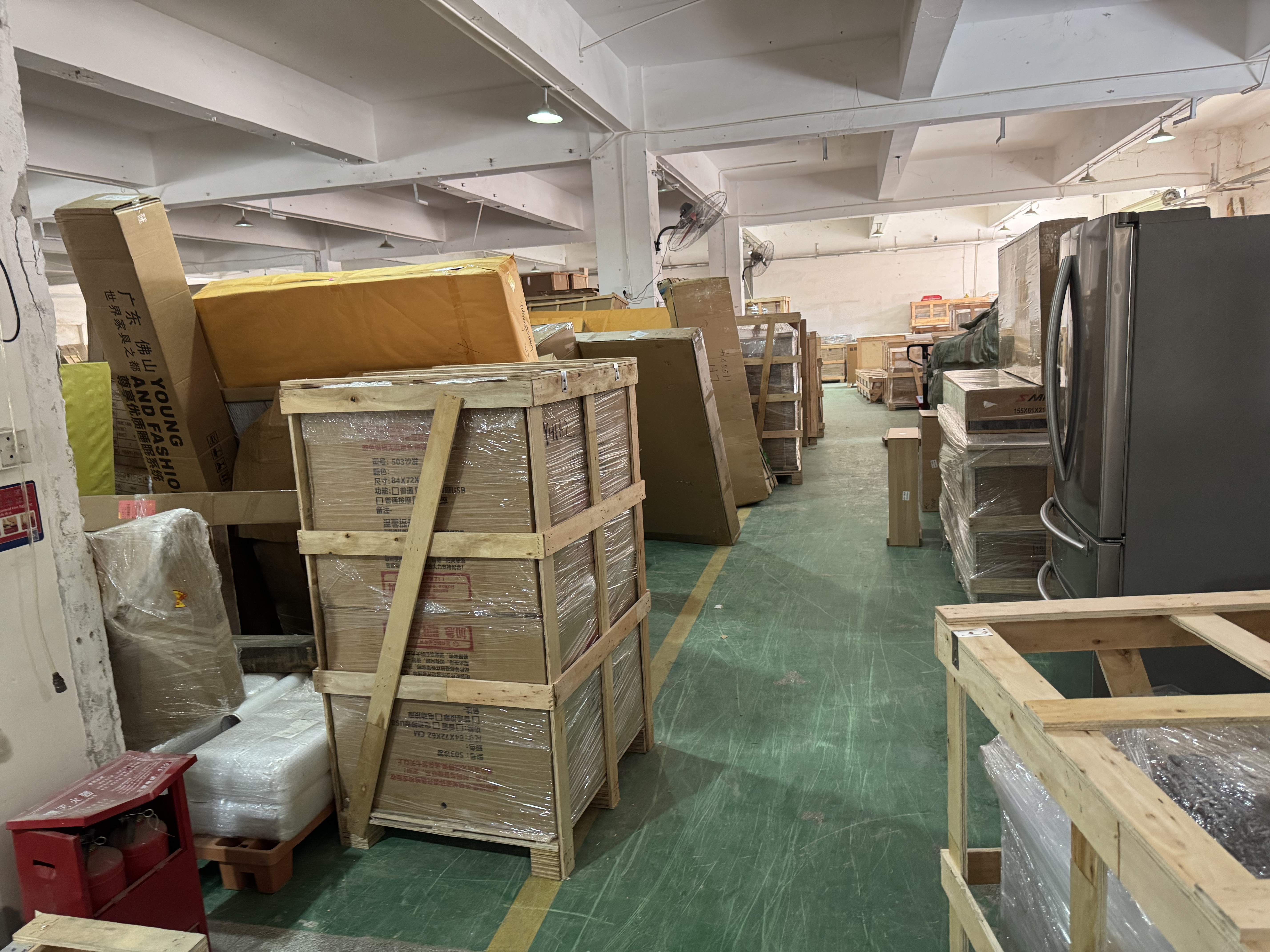
Not Negotiating Rates Don't be afraid to negotiate rates with carriers or freight forwarders. I've seen small business owners simply accept the first quote they get without trying to get a better deal. With a bit of negotiation, you can often save a significant amount of money. For example, if you're a regular shipper, you can leverage your volume to get a discounted rate.
VI. FAQ
Q: What if I realize I made a mistake on my customs documentation after the shipment has left? A: It can be a tricky situation. As soon as you realize the mistake, contact your freight forwarder or carrier asap. They can try to work with the CBSA to correct the documentation. However, be prepared for some delays and potential additional fees, especially if the mistake is significant.Q: How can I ensure my carrier is reliable? A: Look at their customer reviews and ratings. You can also ask for references from other shippers. Check if they have experience in shipping the type of goods you're sending and to the specific location in Canada. Additionally, carriers with a good track record of on - time delivery and proper handling of goods are usually a safer bet.
Q: Are there any changes in customs duties for personal effects in 2026? A: Yes, there have been some adjustments in tariff rates in 2026. The best way to stay updated is to check the official CBSA website or consult with a professional customs broker. They can provide you with accurate information based on the specific type of personal effects you're shipping.
Q: Can I ship sensitive items like food to Canada? A: You can, but you need to follow strict regulations set by the CFIA. Make sure to have all the necessary phytosanitary certificates and proper labeling. It's also a good idea to use a shipping service that specializes in handling sensitive items, like the sensitive goods合规专线 offered by some logistics providers.
Q: How do I negotiate rates with carriers? A: First, gather quotes from multiple carriers. Then, if you have a regular shipping volume, mention it to the carrier. Emphasize the potential for long - term business. You can also point out any special requirements or services you need and see if they can offer a better package deal.
By avoiding these common mistakes, you'll be well on your way to a smooth and successful shipping experience when sending personal effects to Canada in 2026. Always stay informed about the latest policies and industry best practices, and feel free to seek professional advice when needed.
