

I. Introduction
Shipping furniture from China to Canada can be a daunting task, especially in 2026 with new policies and regulations in place. As someone with years of first - hand experience in the cross - border logistics industry, I've seen many Canadian small business owners, importers, and e - commerce sellers run into problems. In this article, I'll share some common pitfalls and how to steer clear of them.
II. Understanding the New Policies in 2026
The Canadian Border Services Agency (CBSA) and other relevant authorities have made several adjustments in 2026. There are stricter regulations on wood - based furniture due to environmental and pest control concerns. For example, all wooden furniture must be properly treated and certified to avoid pests such as termites.
I once had a client in Vancouver who imported a large batch of wooden chairs in 2024. Back then, the regulations were not as strict as they are now. But still, his shipment was held up at the port because some of the chairs had signs of mold. He had to spend extra time and money to get the chairs treated and re - inspected. In 2026, the situation could be even worse if such issues occur, so it's crucial to be aware of the new rules.
III. Key Things to Avoid
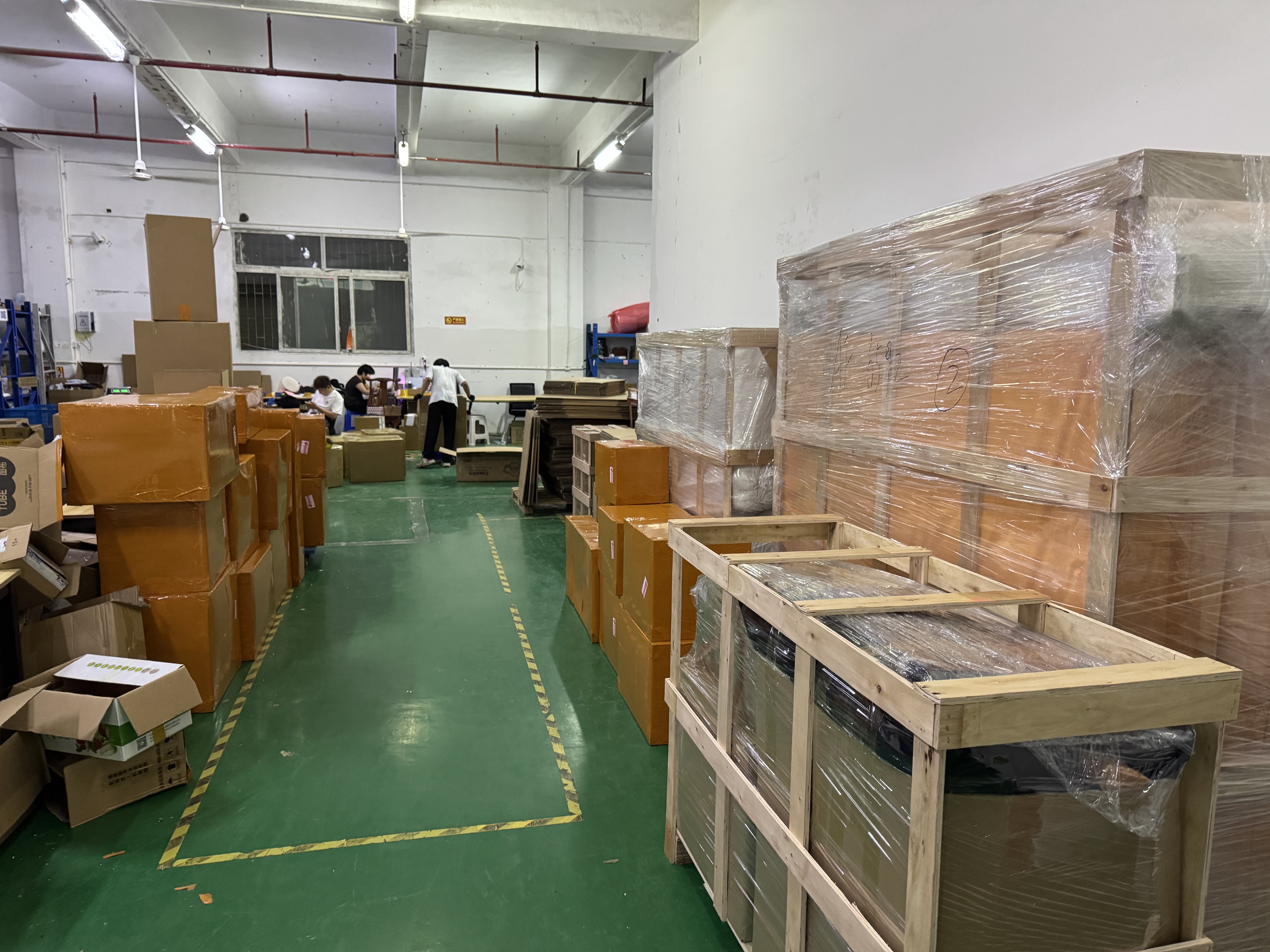
1. Inadequate Packaging
One of the most common mistakes is using insufficient packaging. Furniture is often large and fragile, and it can easily get damaged during the long - distance journey from China to Canada. I've seen many pieces of furniture arrive in a sorry state, with scratches, dents, or even broken parts, just because of poor packaging.
For instance, an apparel importer in Toronto decided to diversify his business by importing some home goods, including furniture. He didn't pay much attention to the packaging and thought the basic wrapping would be enough. When the furniture arrived, several pieces of it were damaged. The cost of replacing and repairing the damaged items was quite high, and it also affected his business reputation.
To avoid this, use proper packaging materials such as bubble wrap, foam, and wooden crates for larger items. Make sure the furniture is well - secured inside the packaging to prevent movement during transit.
2. Incorrect Documentation
Documentation is the backbone of cross - border shipping. In 2026, with new policies, incorrect or incomplete documentation can lead to significant delays and even fines. You need to provide accurate information about the furniture, including its origin, material, value, and HS codes.
I remember dealing with a 3C electronics seller who decided to expand his product line by adding some furniture. He filled out the documentation in a hurry and made a mistake with the HS codes. As a result, his shipment was stuck at the customs for over two weeks. He lost potential sales during that time, and he also had to pay some additional fees for the extended storage at the port.
To ensure correct documentation, double - check all the information before submitting it. You can also consult a professional customs broker or a logistics provider with experience in furniture shipping.
3. Ignoring Shipping Insurance
Shipping furniture overseas involves many risks, such as damage, loss, or theft. Ignoring shipping insurance is a big mistake. Without insurance, you'll have to bear the entire cost if something goes wrong with your shipment.
A trade factory in Montreal once shipped a large consignment of furniture to Canada without insurance. During the transit, a fire broke out on the ship, and a significant portion of their furniture was damaged. Since they didn't have insurance, they had to absorb the huge financial loss, which almost put them out of business.
Always consider getting shipping insurance for your furniture. It may seem like an additional cost at first, but it can save you a lot of money in case of an unexpected event.
4. Choosing the Wrong Shipping Method
There are different shipping methods available for sending furniture from China to Canada, such as air freight, sea freight (both FCL - full container load and LCL - less than container load). Choosing the wrong method can result in high costs or long delivery times.
If you have a small quantity of high - value and urgent furniture, air freight might be a good choice. However, if you have a large volume of furniture and time is not a critical factor, sea freight is usually more cost - effective. For example, a home goods seller in Calgary with a large order of furniture decided to use air freight to save time. But the cost was extremely high, and it ate into his profit margin significantly.
Before making a decision, consider factors like the quantity of furniture, delivery time requirements, and your budget.
IV. FAQ
Q1: How long does it usually take to ship furniture from China to Canada? A: It depends on the shipping method. Sea freight usually takes around 20 - 35 days, while air freight can take 5 - 10 days. But these are just estimates, and actual delivery times can be affected by factors like customs clearance, weather conditions, and shipping company schedules.
Q2: Do I need to pay customs duties when importing furniture from China? A: Yes, you generally need to pay customs duties. The amount depends on the value of the furniture, its HS code, and the trade agreements between China and Canada. You can check with the Canadian Border Services Agency (CBSA) for the specific duty rates.
Q3: Can I ship used furniture from China to Canada? A: Yes, you can, but there are some additional requirements. The used furniture must be clean and in good condition. Some types of used furniture may need to be inspected to ensure they don't carry pests or diseases.
Q4: How can I find a reliable logistics provider for shipping furniture from China to Canada? A: Look for a provider with experience in furniture shipping and good reviews. I'd recommend [盛达国际物流]. They have a team of professionals who are familiar with the 2026 policies and can handle all aspects of the shipping process, from documentation to customs clearance. They also have a good track record of delivering furniture safely and on time.
By avoiding these common mistakes and being well - informed about the 2026 policies, you can ensure a smooth and successful furniture shipping process from China to Canada. Remember, proper planning and attention to detail are key to a stress - free experience in cross - border logistics.
