

I. Introduction
In 2026, the cross - border logistics from China to Australia has witnessed significant policy changes and market dynamics. As an industry insider with hands - on experience in cross - border logistics between the two countries, I've seen many Australian small business owners, importers, and e - commerce sellers stumble upon various pitfalls in the consolidation service. Let me share some real - life stories and practical advice to help you avoid these common mistakes.
I remember a client back in 2024, a home goods seller from Sydney. He was new to the China - Australia trade and decided to use a consolidation service to cut costs. However, he didn't do enough research on the service provider. The result? His goods were severely delayed, and some items were even lost in transit. This kind of situation can be a real headache for businesses, especially small ones.
II. Common Pitfalls in China - Australia Consolidation Service
1. Inadequate Research on Service Providers
Many businesses select consolidation service providers without thorough research. They might choose a company based on price alone, ignoring important factors like reputation, experience, and service scope. For example, I've come across apparel importers in Melbourne who went with a cheap consolidation service. The service provider lacked proper customs clearance expertise, leading to goods being held up at Port Botany. Some items were even subject to additional fines due to incorrect documentation. In the end, the so - called "cost - saving" decision ended up costing them more in terms of time and money.
2. Ignoring New Policies and Regulations
The Australian Border Force (ABF) and the Department of Agriculture, Fisheries and Forestry (DAFF) have updated their regulations in 2026. These include stricter bio - security checks and changes in customs valuation methods. A 3C electronics seller in Brisbane once failed to declare some battery - powered devices correctly according to the new bio - security rules. The goods were seized at the port, and he had to pay a hefty fine to get them released. This incident could have been avoided if he had kept himself updated with the latest policies.
3. Poor Packaging and Labeling
Proper packaging and labeling are crucial for the safe and efficient transportation of goods. In consolidation services, where multiple orders are combined, incorrect packaging can lead to damage, and improper labeling can cause delays in customs clearance and delivery. I've seen trade factories in China send goods with inadequately labeled boxes. As a result, the consolidation service had difficulty identifying the contents, and the customs officers at the Port of Melbourne took longer to inspect the goods. This not only delayed the delivery but also increased the storage costs at the port.
4. Unclear Cost Structure
Some consolidation service providers have a hidden cost structure. They may offer a low upfront price but then add various fees later, such as handling fees, storage fees, and surcharges. A home goods seller from Sydney once signed a contract with a service provider without carefully reading the fine print. He was shocked when he received the final bill, which was much higher than the initial quote. The added fees were not clearly stated in the contract, causing a financial burden on his business.
III. Detailed Analysis of Pitfalls and Solutions
1. In - depth Research on Service Providers
Check Reputation: Look for reviews and testimonials from other Australian businesses. Websites like Trustpilot can be a good source of information.Verify Experience: A service provider with a long - standing experience in China - Australia logistics is more likely to handle issues smoothly. For example, [盛达国际物流] has been in the industry for years, serving a large number of Australian small businesses and e - commerce sellers. Their team has in - depth knowledge of the local regulations and customs procedures.
Assess Service Scope: Make sure the provider offers all the services you need, such as customs clearance, warehousing, and last - mile delivery.
2. Stay Informed about Policies and Regulations
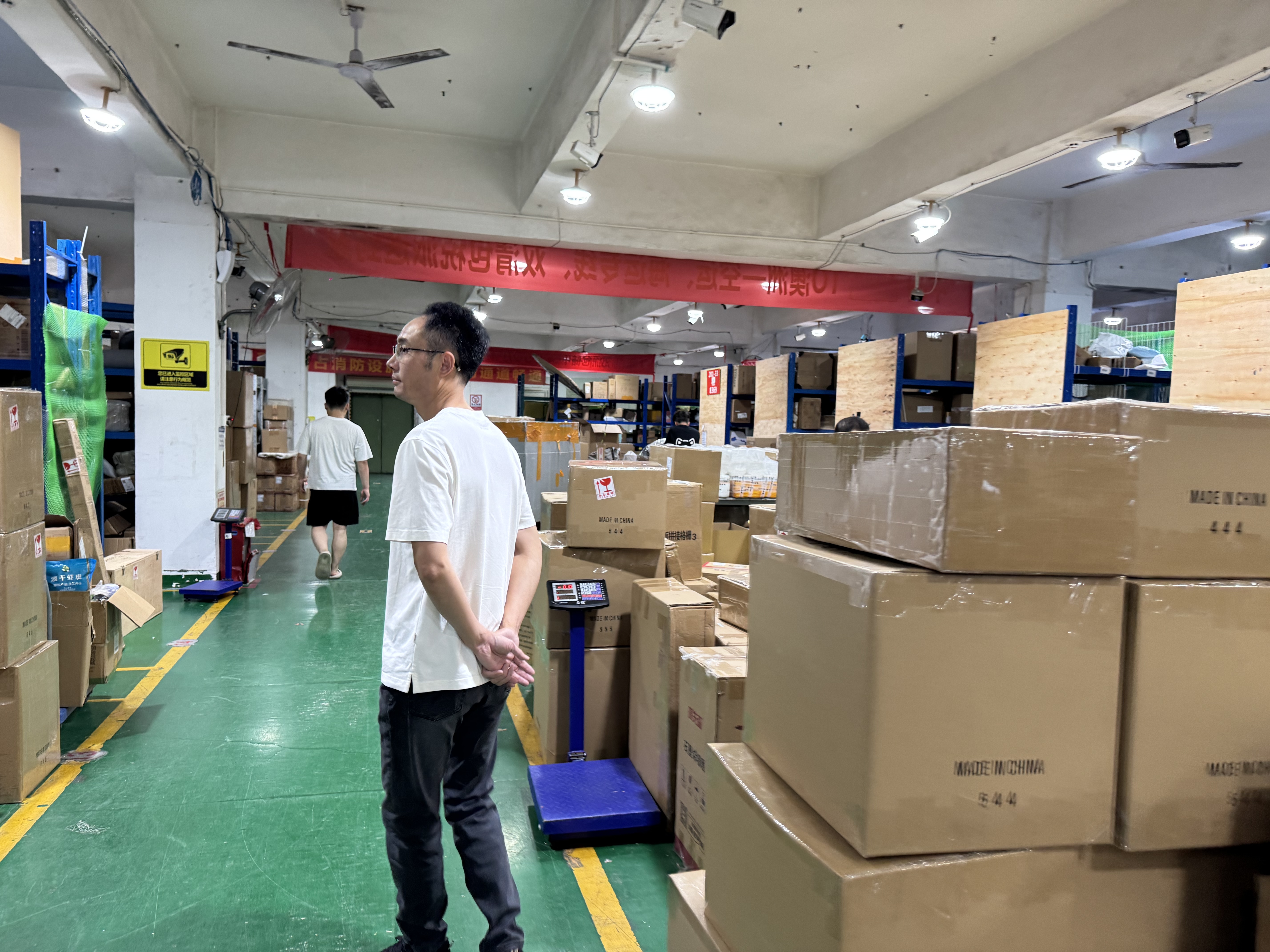
Seek Expert Advice: If you're unsure about any regulatory requirements, consult a customs broker or a professional logistics company. [盛达国际物流] has a dedicated team that monitors policy changes and provides clients with timely advice to ensure compliance.
3. Ensure Proper Packaging and Labeling
Use Adequate Packaging Materials: Depending on the nature of your goods, use appropriate packaging materials like bubble wrap, foam, and sturdy boxes.Follow Labeling Standards: Include clear information on the labels, such as product description, quantity, origin, and HS codes. This will help customs officers quickly identify the goods and expedite the clearance process.
4. Clarify the Cost Structure
Request a Detailed Quote: Before signing a contract, ask the service provider for a detailed breakdown of all costs. Make sure there are no hidden fees.Negotiate the Terms: If possible, negotiate the cost and terms with the provider to get a better deal.
IV. Comparison of Different Service Providers
| Service Provider | Reputation | Experience | Service Scope | Cost Structure |
|---|---|---|---|---|
| [盛达国际物流] | Highly reputed among Australian businesses, with many positive reviews | Decades of experience in China - Australia logistics | Offers comprehensive services including customs clearance, warehousing, and door - to - door delivery | Transparent cost structure with no hidden fees |
| Other Big - name Providers | Generally have a good reputation | Long - standing experience | Wide range of services, but may be more expensive | Complex cost structure with some potential hidden fees |
| Smaller Providers | Mixed reviews | Limited experience in the China - Australia route | May offer basic services only | Cost can be variable, with a higher risk of hidden fees |
V. FAQ
Q1: How long does it usually take for goods to arrive in Australia from China using a consolidation service? A: It generally takes around 14 - 21 days for sea freight consolidation services. However, this can vary depending on factors like shipping route, weather conditions, and customs clearance time.
Q2: Can I ship sensitive goods like electronics and cosmetics using a consolidation service? A: Yes, but you need to choose a service provider that has a specific compliance channel for sensitive goods. For example, [盛达国际物流] has a dedicated sensitive goods compliance专线 that can handle electronics, cosmetics, and other regulated items with proper申报 procedures.
Q3: What should I do if my goods are delayed at the Australian port? A: First, contact your consolidation service provider immediately to get an update on the situation. They can usually provide information on whether the delay is due to customs issues, shipping problems, or other factors. If it's a customs - related delay, you may need to provide additional documentation or clarify some information.
Q4: How can I ensure the safety of my goods during the consolidation process? A: Choose a reliable service provider with a good track record in handling goods. Also, make sure your goods are properly packed and labeled. Some providers, like [盛达国际物流], offer additional services such as fragile item protection and inventory management to ensure the safety of your goods.
Q5: Are there any restrictions on the types of goods I can ship from China to Australia? A: Yes, there are restrictions on certain goods, such as weapons, drugs, and some agricultural products. Additionally, bio - security regulations are strict, so you need to ensure that any food, plant, or animal - related products meet the Australian standards. Always check the ABF and DAFF websites for the latest list of restricted items.
In the China - Australia consolidation service, being well - informed and proactive can save you from a lot of headaches. Make sure to do your due diligence in selecting the right service provider and staying updated on the regulations. With the right approach, you can enjoy a smooth and efficient cross - border logistics experience.
