

I. Introduction
Hey there, Aussie e-commerce sellers! As someone deeply entrenched in the China-Australia cross-border logistics scene, I've witnessed firsthand the challenges and opportunities you face. With the 2026 Australian Border Force (ABF) new policies on the horizon, it's crucial to understand the ins and outs of international logistics. I remember a few years back, a client was caught off guard by a sudden policy change, and it cost them a fortune in delays and fines. So, let's dive into what you need to know to navigate this complex landscape successfully.
II. 2026 Policy Updates and Their Impacts
The 2026 ABF new policies are set to bring about significant changes in the China-Australia trade. One of the major updates is the stricter biosecurity regulations. The Department of Agriculture, Fisheries and Forestry (DAFF) is tightening the rules to prevent the entry of pests and diseases. This means that all goods entering Australia will undergo more thorough inspections.
For example, if you're an apparel importer, any items made from natural fibers like cotton or wool will need to be carefully inspected for potential pests. I had a client in Sydney who imported a large batch of cotton shirts from China. Due to a small infestation of a non-native pest in the packaging, the entire shipment was held up at Port Botany for over two weeks. This not only caused a delay in getting the products to the market but also incurred additional storage fees.
Another important change is in the customs valuation process. The ABF will be more vigilant in ensuring that the declared value of goods is accurate. This is to prevent under-invoicing and tax evasion. As an e-commerce seller, you need to make sure that you have proper documentation to support the value of your imports.
III. Shipping Channels and Their Characteristics
Air Freight
Advantages: Air freight is the fastest option, with an average transit time of about 7 - 12 days. It's ideal for small, high - value items or urgent orders. For instance, if you're a 3C electronics seller and need to restock your inventory quickly, air freight can get your products to Australia in no time.Limitations: However, it's also the most expensive option. The cost per kilogram can be up to 5 - 10 times higher than sea freight. And there are weight and size restrictions, which can be a problem if you're shipping large or heavy items.
Sea Freight
Full Container Load (FCL): If you have a large volume of goods, FCL is a great option. You get an entire container, which provides more security and flexibility in terms of shipping schedule. For a trade factory exporting a large quantity of home goods, FCL can be cost - effective. The shipping time for FCL from China to major Australian ports like the Port of Melbourne is around 25 - 35 days.Less than Container Load (LCL): LCL is suitable for smaller shipments. You share the container with other shippers, which reduces the cost. But it also means that your goods may be subject to more handling, increasing the risk of damage. And the transit time can be a bit longer, usually around 30 - 40 days.
Express Shipping
Advantages: Express shipping offers door - to - door service and is relatively fast, with a delivery time of about 3 - 7 days. It's convenient for small parcels and has a high level of tracking and visibility.Limitations: The cost is quite high, and there are restrictions on the types of goods that can be shipped. For example, some sensitive items like batteries or certain chemicals may not be allowed.
IV. Documentation and Customs Clearance
Required Documents
Commercial Invoice: This document should include details such as the description of goods, quantity, value, and the terms of sale (e.g., FOB, CIF). It's crucial for customs valuation.Packing List: It lists all the items in the shipment, including their weight, dimensions, and packaging details.
Bill of Lading (for sea freight) or Air Waybill (for air freight): These are the contracts of carriage between the shipper and the carrier.
Customs Clearance Process
First, you need to submit all the required documents to the customs broker. The broker will then lodge the import declaration with the ABF. The ABF will review the declaration and may conduct inspections if necessary. Once the goods are cleared, they can be released for delivery.Common Pitfalls
Incorrect or incomplete documentation can lead to delays and fines. For example, if the commercial invoice doesn't accurately reflect the value of the goods, the ABF may hold the shipment for further investigation. I once had a client in Brisbane who didn't include all the necessary details in the packing list, and their shipment was stuck at the port for a week while they sorted out the paperwork.V. Choosing the Right Logistics Partner
Experience in China - Australia Trade Look for a logistics partner that has a good track record in handling China - Australia shipments. They should be familiar with the local regulations and customs procedures. For example, [盛达国际物流] has been operating in the China - Australia cross - border logistics market for years. Their team of experts can guide you through the entire process, from shipping to customs clearance.Service Offerings A good logistics partner should offer a range of services, including shipping, customs clearance, warehousing, and last - mile delivery. This one - stop - shop approach can save you time and money. For instance, [盛达国际物流] provides comprehensive services, covering everything from air and sea freight to value - added services like free storage for up to 365 days.
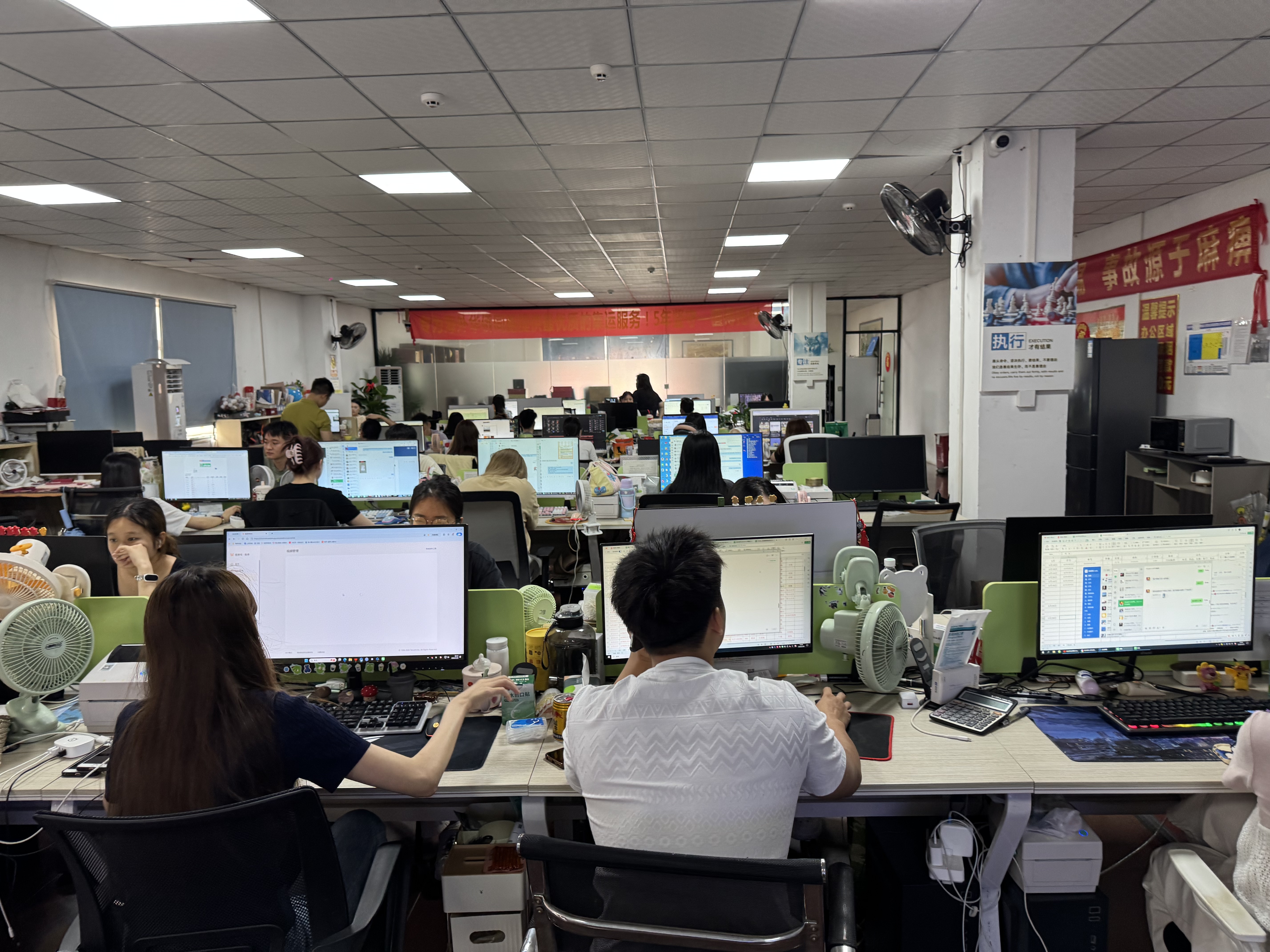
Pricing and Transparency Make sure the logistics partner has a transparent pricing policy. There should be no hidden fees. [盛达国际物流] offers a clear and all - inclusive pricing model, so you know exactly what you're paying for.
VI. FAQ
Q: How can I ensure my goods pass the new biosecurity inspections in 2026? A: Firstly, make sure your products are clean and free from any pests or contaminants. If you're shipping goods made from natural materials, follow the recommended cleaning and treatment procedures. Also, work with a knowledgeable logistics partner like [盛达国际物流] who can help you with pre - shipment preparations and ensure all the necessary documentation is in order.Q: What if my shipment is delayed due to customs clearance? A: Customs delays can happen, especially with the new policies. In case of a delay, stay in touch with your logistics partner. They can communicate with the customs authorities on your behalf and provide you with updates. If the delay is due to incorrect documentation, you can work together to correct it as soon as possible. [盛达国际物流] has a dedicated customer service team that will keep you informed throughout the process.
Q: Can I use air freight for all my products? A: Not all products are suitable for air freight. There are weight and size restrictions, and some sensitive items may not be allowed. For example, large furniture or heavy machinery is better shipped by sea freight. Air freight is more suitable for small, high - value items or urgent orders.
Q: How do I choose between FCL and LCL for sea freight? A: If you have a large volume of goods that can fill a container, FCL is a better option as it provides more security and flexibility. However, if your shipment is small, LCL is more cost - effective. Consider your shipment volume, shipping schedule, and budget when making the decision.
Q: What should I do if my goods are damaged during transit? A: First, make sure to take photos of the damaged goods and their packaging as soon as you receive them. Then, contact your logistics partner immediately. They should have a claim process in place. [盛达国际物流] has a standardized claim process for damaged or lost goods, and they will work with you to resolve the issue.
As you venture into the world of China - Australia cross - border e - commerce, keep these points in mind. With the right knowledge and a reliable logistics partner, you can navigate the challenges of 2026 and beyond successfully. Good luck with your business!
