

I. Introduction
Shipping bulk furniture to Canada can be a lucrative yet challenging endeavor in 2026. With the implementation of new policies and the complexity of the logistics process, many Australian small business owners, importers, and e - commerce sellers often find themselves in a bind. I've been in the cross - border logistics business for years, and I've seen countless clients stumble over common pitfalls. In this article, I'll share some key issues you need to avoid to ensure a smooth shipping process.
II. Key Pitfalls and How to Avoid Them
1. Customs and Regulatory Pitfalls
Incorrect HS Codes: One of the most common mistakes is using the wrong Harmonized System (HS) codes for furniture. Each type of furniture has a specific HS code, and using an incorrect one can lead to delays at customs, higher duties, or even seizure of the goods. For example, I had a client back in 2024 who shipped a consignment of wooden chairs. They incorrectly classified them under a general furniture code, which led to a customs hold. The CBSA (Canadian Border Services Agency) charged them additional duties once the correct code was identified. To avoid this, consult a customs expert or use a reliable HS code lookup tool.Non - compliance with New Regulations: In 2026, there have been updates to Canadian regulations regarding the import of furniture. For instance, new environmental and safety standards have been introduced. Some furniture items may need to meet certain emission standards or be treated to prevent the spread of pests. If your furniture doesn't comply, it might be rejected at the border. Before shipping, thoroughly research the latest regulations on the CBSA official website or consult with a customs broker.
2. Packaging and Handling Pitfalls
Inadequate Packaging: Bulk furniture is large and heavy, and it's prone to damage during transportation. Improper packaging is a major cause of furniture damage. I once handled a shipment of sofas to Vancouver. The seller used thin cardboard and minimal padding. As a result, many of the sofas arrived with scratches and dents. To prevent this, use high - quality packing materials such as thick bubble wrap, wooden crates (especially for fragile or high - value items), and strong strapping.Improper Loading: How the furniture is loaded into the container also matters. If the pieces are not loaded correctly, they can shift during transit and cause damage to each other. Make sure to use proper loading techniques, such as stacking heavier items on the bottom and securing all pieces with ropes or straps.
3. Logistics and Shipping Pitfalls
Choosing the Wrong Shipping Method: There are different shipping methods available for bulk furniture, such as FCL (Full Container Load) and LCL (Less than Container Load). If you choose the wrong one, it can lead to unnecessary costs. For example, if you have a large quantity of furniture but choose LCL, you may end up paying more per cubic meter. On the other hand, if you have a small shipment and use FCL, you'll be paying for unused space. Analyze your shipment volume carefully and choose the most cost - effective option.Lack of Shipment Tracking: Without proper shipment tracking, it's difficult to monitor the progress of your furniture and anticipate any potential delays. Some shipping companies offer real - time tracking, while others may provide only limited updates. When selecting a shipping provider, ensure they offer comprehensive tracking services so you can stay informed about your shipment's location and estimated arrival time.
III. Case Studies
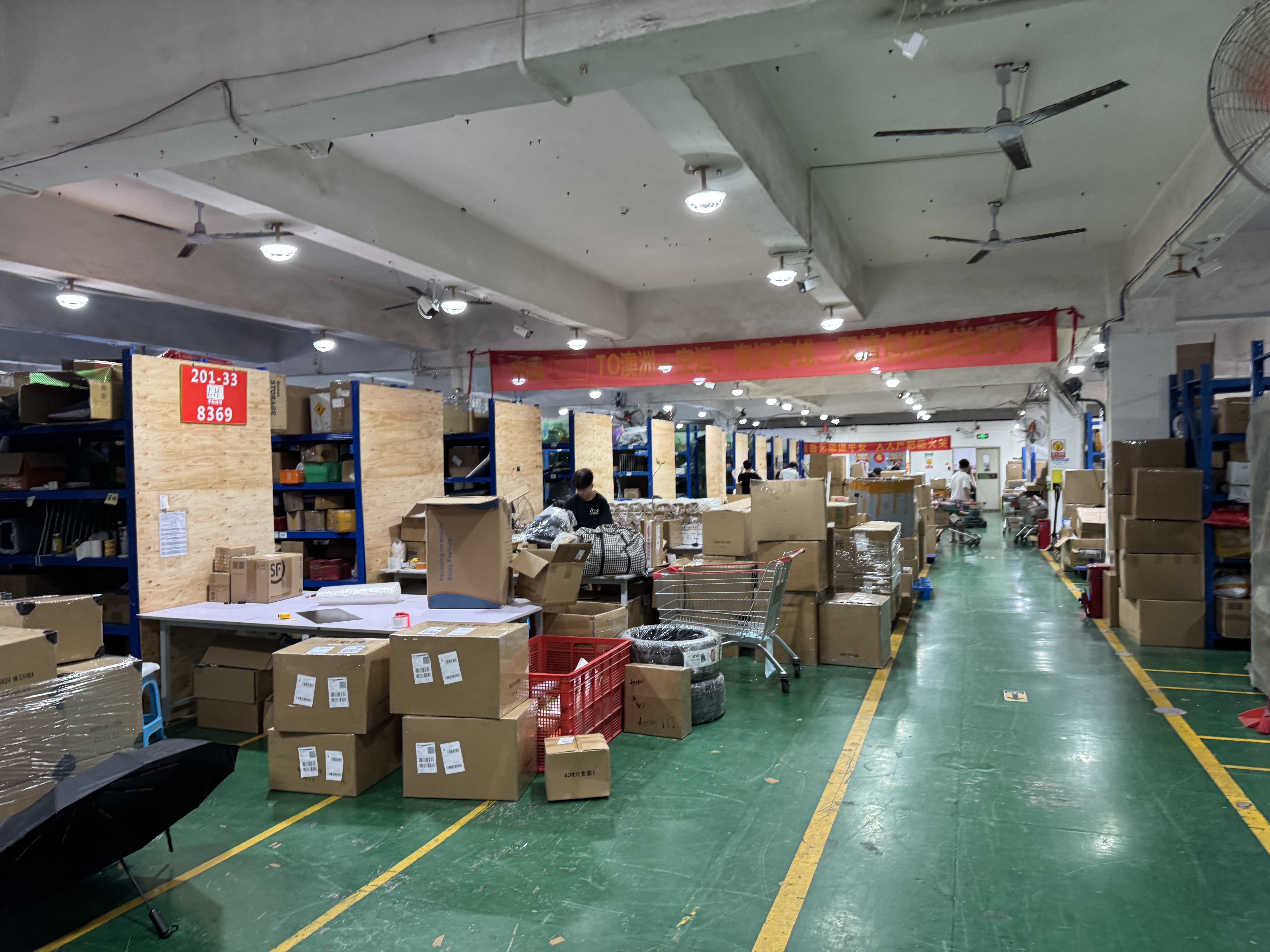
1. Home Goods Sellers in Montreal
Specific Scenario: A home goods seller in Australia wanted to ship a large quantity of dining room sets to Montreal. The shipment consisted of tables, chairs, and cabinets.Problem Encountered: They used an inexperienced shipping agent who misinterpreted the HS codes. The furniture was held at the Port of Montreal for a week due to customs issues. Additionally, the packaging was not strong enough, and some of the chairs arrived with broken legs.
Final Outcome: The seller had to pay additional customs duties and fees. They also had to replace the damaged chairs at their own cost, which significantly affected their profit margin.
2. Trade Factories in Toronto
Specific Scenario: A trade factory exported a consignment of bedroom furniture to Toronto. They chose an LCL shipping method without considering the volume of their goods.Problem Encountered: The shipping cost per unit was much higher than expected because they were sharing the container with other small shipments. Also, the factory did not have a proper tracking system in place, and they were unable to provide their Canadian customers with accurate delivery times.
Final Outcome: The factory lost some customers due to the high shipping costs and the lack of transparency. They learned to analyze their shipping needs more carefully and choose a more suitable shipping method in the future.
IV. How to Choose a Reliable Shipping Partner
1. Experience and Reputation
Look for a shipping company with extensive experience in shipping bulk furniture to Canada. Check their online reviews and ask for references from other clients. A company with a good reputation is more likely to handle your shipment professionally.
2. Range of Services
A reliable partner should offer a comprehensive range of services, including packaging, loading, customs clearance, and delivery. For example, [Your Company Name], [Company Name], has been providing these services for years and has a proven track record in the cross - border furniture shipping industry.
3. Pricing Transparency
Avoid companies that have hidden fees. A good shipping partner will provide you with a detailed quote that includes all costs, such as shipping fees, customs duties, and insurance.
V. FAQ
1. How long does it usually take to ship bulk furniture from Australia to Canada? The shipping time can vary depending on the shipping method and the origin and destination ports. Generally, it takes about 20 - 30 days for sea freight. However, factors like customs clearance and unforeseen delays can affect the actual delivery time.
2. Do I need to buy insurance for my furniture shipment? It's highly recommended. Furniture is valuable and can be easily damaged during transit. Insurance can protect you from financial losses if your goods are lost, damaged, or stolen.
3. Can I ship used furniture to Canada? Yes, you can, but there are additional requirements. The used furniture must be clean and free of pests and any signs of damage or wear that could pose a health or safety risk. You may also need to provide documentation to prove the origin and condition of the furniture.
4. What if my furniture is held at customs? If your furniture is held at customs, contact your shipping agent or a customs broker immediately. They can help you resolve the issue by providing the necessary documentation and ensuring compliance with Canadian regulations.
5. How can I reduce the shipping cost of bulk furniture? You can reduce costs by optimizing your shipment volume to choose the most suitable shipping method (FCL or LCL). Also, consider consolidating multiple shipments if possible to get better rates. Additionally, work with a shipping partner that offers competitive pricing.
In the ever - evolving landscape of cross - border logistics, being aware of these pitfalls and taking proactive measures can make all the difference in the success of your bulk furniture shipments to Canada in 2026. Keep these tips in mind and plan your shipments carefully to avoid any unnecessary headaches.
