

I. Introduction
Hey there, Aussie small business owners, importers, and e - commerce sellers! In 2026, shipping goods duty - paid from China to Australia has become a hot topic. I've been in the front - line of cross - border logistics between China and Australia for years, and I'm here to share some real - deal insights. You might have faced issues like unexpected customs fees, delays, or damaged goods. Don't worry, I'll guide you through this process with practical tips.
II. The New Landscape of 2026 Policy
The Australian Border Force (ABF) and the Department of Agriculture, Fisheries and Forestry (DAFF) have introduced some updates in 2026. One of the significant changes is the tightened inspection of certain product categories to ensure biosecurity. For example, wooden products need more detailed and accurate declarations to avoid potential quarantine issues. I had a client back in 2024 who shipped a batch of wooden handicrafts to Sydney. The lack of proper documentation led to a two - week delay at Port Botany while the ABF and DAFF conducted additional inspections.
III. Choosing the Right Shipping Method
1. Shipping by Air
Air freight is great for small, high - value items or urgent orders. It's fast, with most shipments taking roughly 7 - 12 days from the Chinese warehouse to the Australian destination. However, it can be quite pricey. For instance, if you're an apparel importer based in Melbourne and you need to restock a popular new line quickly, air freight would be handy. But the cost could be around 3 - 5 times that of sea freight for the same volume.
2. Shipping by Sea
2.1. Full Container Load (FCL) If you're a 3C electronics seller with a large order, FCL might be your best bet. It offers more security as your goods are the only ones in the container. You'll have better control over the shipping schedule and reduced risk of damage. The shipping time for FCL to Brisbane usually takes about 25 - 30 days. But you need to have enough goods to fill a 20GP, 40GP, or 40HQ container, or else you'll end up paying for unused space. 2.2. Less than Container Load (LCL) For home goods sellers with a smaller quantity of goods, LCL is a cost - effective option. It allows you to share the container space with other shippers. However, it can be more time - consuming as the container needs to be filled before departure, and there might be more handling at the ports, increasing the risk of damage.
IV. Key Tips for Duty Paid Shipping (40% of the article)
1. Accurate Product Classification
Using the correct HS codes is crucial. Incorrect classification can lead to over - or under - payment of duties. For example, a trade factory in China exporting a new type of smart home device to Sydney might misclassify it. If they classify it as a simple electrical appliance instead of a high - tech smart device, they could end up paying a lower duty than required. Later, the ABF might conduct an audit and impose penalties and back - duties. I once worked with a client who misclassified some herbal products. The incorrect HS code cost them an extra AUD 3,000 in duties and penalties.
2. Proper Documentation
You'll need to prepare a range of documents, including the commercial invoice, packing list, bill of lading, and certificate of origin. The commercial invoice should clearly state the product description, quantity, unit price, and total value. The packing list should detail the contents of each package. If you're shipping under DDP (Delivered Duty Paid), you need to ensure all the documents are accurate and complete. A missing or incorrect document can cause significant delays at the Australian border. I remember a case where a shipment of apparel to Port Melbourne was held up for a week because the certificate of origin was missing some required signatures.
3. Partner with a Reliable Logistics Provider
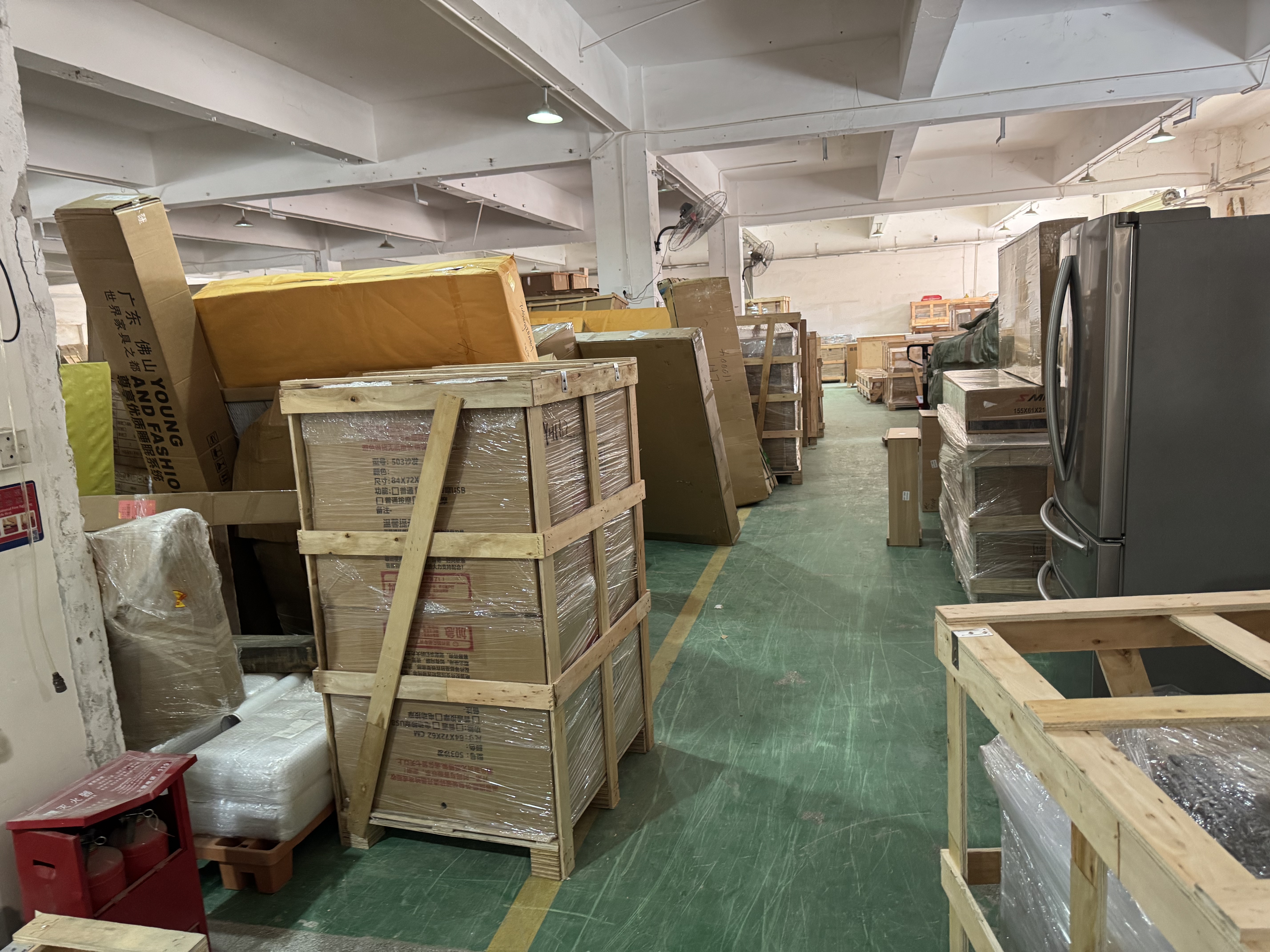
A good logistics provider can make a world of difference. They have experience in dealing with the Australian customs and can help you navigate the complex regulations. For example, [Shengda International Logistics] has a team of experts who are well - versed in the 2026 policies. They offer a range of services, including free value - added services like warehouse storage, packaging, and consolidation. Their full - link autonomous control system ensures that your goods are tracked every step of the way, from the Chinese warehouse to the Australian doorstep. They also have a proven track record of compliance, which can help reduce the risk of customs issues.
4. Cost Estimation and Budgeting
Before shipping, it's essential to estimate all the costs, including the product cost, shipping cost, customs duties, and taxes. Customs duties are calculated based on the product value and the applicable tariff rate. You can use the ABF's official online tools to get an estimate. Additionally, some logistics providers can also help you with cost analysis. Don't forget to factor in potential storage fees at the port if there are delays.
5. Communication with Customs
Maintain open communication with the Australian customs, especially if there are any changes in the shipment. For example, if you've changed the product specifications or the quantity during the shipping process, it's important to inform the customs in advance. This can help avoid misunderstandings and potential delays.
V. Case Studies
Case 1: Apparel Importer in Sydney
A Sydney - based apparel importer shipped a batch of clothing from China. They initially misclassified some of the items on the HS code, which led to a customs hold. After reaching out to their logistics provider, [Shengda International Logistics], the experts helped them correct the classification and provided the necessary documentation. The shipment was then cleared within two days, saving the importer from potential lost sales due to delay.
Case 2: 3C Electronics Seller in Melbourne
A 3C electronics seller in Melbourne ordered a large quantity of smartphones from China. They chose FCL shipping and worked with [Shengda International Logistics]. The logistics provider arranged everything from container booking to customs clearance. The shipment arrived in Melbourne within 28 days as scheduled, and there were no issues with customs duties or delays.
VI. FAQ
Q1: How can I avoid customs delays? A: Well, you've got to make sure your documentation is spot - on. Use the correct HS codes, and provide accurate information about your products. Partner with a reliable logistics provider like [Shengda International Logistics], they can handle the process smoothly and communicate effectively with the customs.
Q2: What if my goods are damaged during shipping? A: If you're working with a good logistics provider, they usually have an insurance policy and a proper claims process. For example, [Shengda International Logistics] has a standardized damage claim mechanism. They'll assess the damage and provide compensation according to the policy.
Q3: Can I ship sensitive goods like cosmetics duty - paid? A: Yes, but you need to use a specialized service. [Shengda International Logistics] has a sensitive goods compliance line. They'll help you with the necessary regulations and compliance requirements to ensure your sensitive goods can be shipped duty - paid without issues.
Q4: How do I calculate the customs duties? A: The Australian Border Force has an online tool where you can input the product details and get an estimate. Or you can ask your logistics provider to help you calculate based on the product value, quantity, and applicable tariff rates.
Q5: What if there's a change in the shipping schedule? A: It's important to communicate with your logistics provider and the Australian customs immediately. Most logistics providers can adjust the arrangements accordingly. For example, [Shengda International Logistics] will keep you informed about the changes and try their best to minimize the impact on your shipment.
In conclusion, by following these tips and best practices, you'll be well - prepared for duty - paid shipping from China to Australia in 2026. Keep an eye on the policy changes, choose the right shipping method, and work with a reliable partner. Remember, the key is to be proactive and well - informed.
