

I. Introduction
In 2026, the China - Canada port - to - door sea shipping industry is experiencing significant changes due to new policies and market dynamics. As a front - line operator in cross - border logistics, I've seen many small business owners, importers, and e - commerce sellers struggling with the logistics process. For example, a 3C electronics seller in Toronto once faced high costs and long delivery times because of improper shipping choices. So, let's dive into the key points of this service in 2026.
II. Understanding the New Policies in 2026
The Canadian Border Services Agency (CBSA) has introduced some new regulations in 2026. One of the major changes is the enhanced security screening for all goods entering Canada. This means that shippers have to provide more detailed information about the cargo, such as the exact composition of products, which is a bit of a headache for some businesses.
I remember a client back in 2026 who was an apparel importer in Montreal. He didn't fully understand the new requirements for fabric origin declaration. His shipment got held up at the port for roughly 14 days, and he had to pay extra fees for the storage. So, it's crucial to keep an eye on these policy updates.
III. Choosing the Right Shipping Route and Port
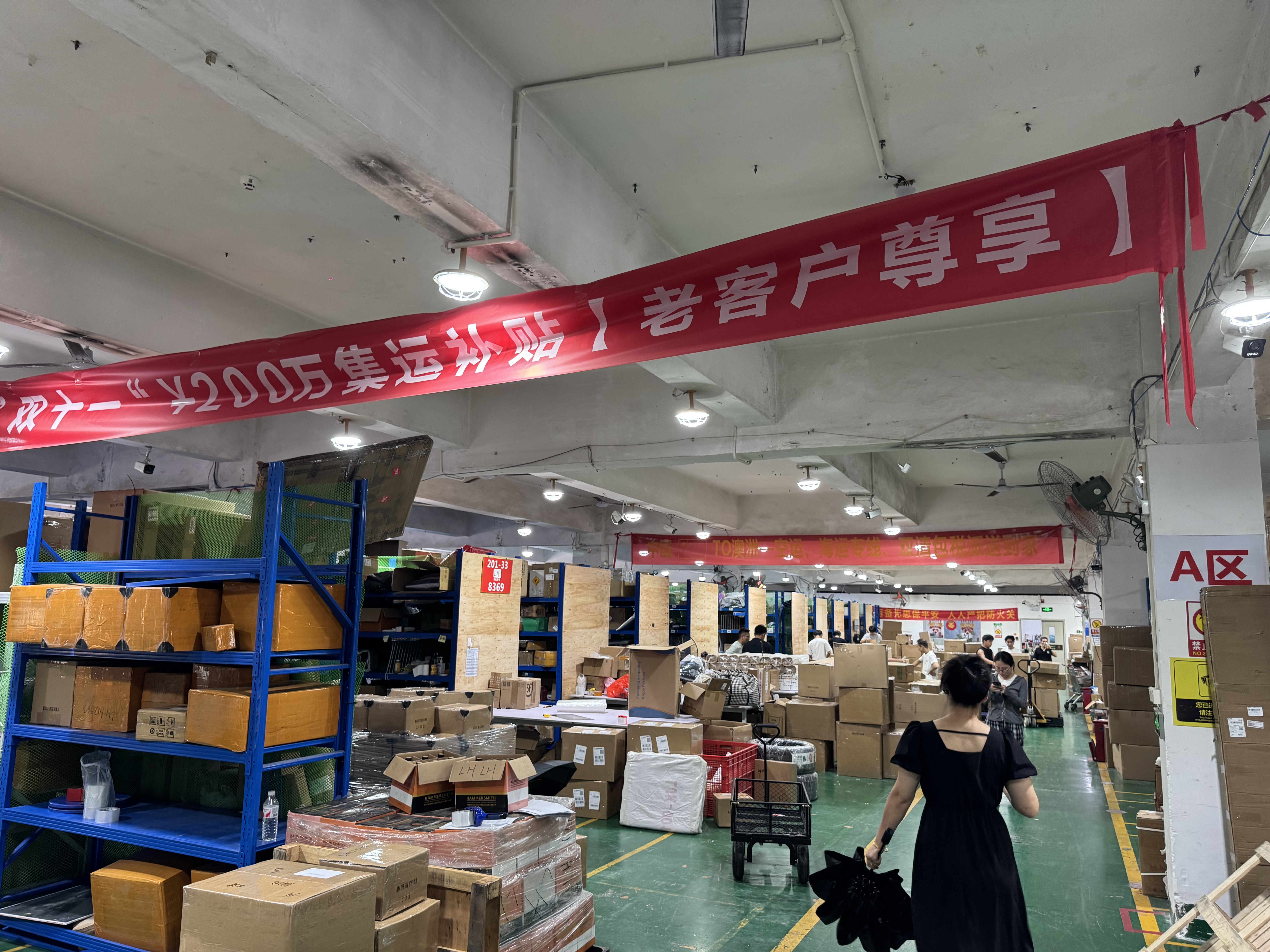
There are multiple ports in China and Canada for sea shipping. In China, Shanghai, Shenzhen, and Ningbo are the major departure ports. In Canada, the Port of Vancouver and the Port of Montreal are the most popular destinations.
The choice of shipping route depends on factors like the destination in Canada, the type of goods, and the shipping time. For instance, if you're shipping to Vancouver and its surrounding areas, the direct route from Shanghai to the Port of Vancouver might be the best option. It usually takes about 16 - 20 days, which is relatively fast.
However, if your goods are going to the eastern part of Canada, like Toronto, the route via the Port of Montreal might be more suitable. But this route may take a bit longer, around 22 - 28 days, because of the additional inland transportation.
IV. Cost Analysis (40% of the article)
Cost is a major concern for all businesses. In 2026, the cost of port - to - door sea shipping from China to Canada is composed of several aspects.
Freight Charges: The basic freight charges vary depending on the container size, shipping route, and season. For example, a 20GP container from Shanghai to the Port of Vancouver may cost around $2,500 - $3,200, while a 40GP container might be $4,000 - $5,000. These prices can fluctuate based on market demand.Terminal Handling Charges: At both the origin and destination ports, there are terminal handling charges. In China, these charges can range from $200 - $400 per container. In Canada, the charges at the Port of Vancouver for a 20GP container are approximately $300 - $350, and for a 40GP container, it's about $450 - $550.
Customs Duties and Taxes: The CBSA assesses customs duties based on the Harmonized System (HS) codes of the goods. Some goods may also be subject to the Goods and Services Tax (GST) or the Harmonized Sales Tax (HST). For example, if you're importing 3C electronics, the duty rate could be around 3% - 8%, and the GST/HST is usually 5% - 15% depending on the province.
Inland Transportation Costs: Once the goods arrive at the Canadian port, they need to be transported to their final destination. If it's a short - distance transportation within a city, the cost may be relatively low. But for long - distance transportation, like from the Port of Vancouver to Calgary (about 1,000 km), the cost for a 20GP container can be around $800 - $1,200.
| Let's take an example of a home goods seller in Vancouver. He shipped a 40GP container of furniture from Shenzhen to the Port of Vancouver. The total cost breakdown was as follows: | Cost Item | Amount |
|---|---|---|
| Freight Charges | $4,500 | |
| Terminal Handling Charges (China) | $300 | |
| Terminal Handling Charges (Canada) | $500 | |
| Customs Duties (5%) | $2,000 (assuming the value of goods is $40,000) | |
| GST (5%) | $2,000 | |
| Inland Transportation (to warehouse in Vancouver) | $300 | |
| Total | $9,600 |
V. Cargo Packing and Documentation
Proper cargo packing is essential to ensure that your goods arrive in good condition. For fragile items like glassware or electronics, use shock - absorbing materials and secure them well in the container. If you're shipping furniture, it's advisable to disassemble it and use protective covers.
In terms of documentation, you need to prepare a Bill of Lading, which is a crucial document for cargo ownership and transportation. The Commercial Invoice should clearly state the value, quantity, and description of the goods. And the Packing List should provide detailed information about the packing of each item.
VI. Selecting a Reliable Logistics Partner
A good logistics partner can make a huge difference in your sea shipping experience. When choosing a partner, look for their experience in the China - Canada route. Check if they have a good reputation in terms of on - time delivery and customs clearance.
For example, Shengda International Logistics specializes in the China - Canada route. They have a professional team with over 10 years of experience. They offer a wide range of services, including door - to - door delivery, customs clearance, and cargo insurance. And they also have a real - time tracking system, so you can always know the status of your shipment.
VII. FAQ
What if my goods are detained at the Canadian port? Well, if your goods are detained, it could be due to various reasons like incomplete documentation, non - compliance with customs regulations, or security concerns. If it happens, the first thing is to contact your logistics provider. They'll work with the CBSA to resolve the issue. For example, if it's a documentation problem, they can help you provide the necessary information as soon as possible.Can I track my shipment during the sea shipping? Yes, most reliable logistics providers offer tracking services. For instance, Shengda International Logistics has a self - developed intelligent system that updates the status of your shipment at all nodes. You can easily check when your goods are loaded, when they leave the port, and when they're expected to arrive at the destination.
How can I reduce the shipping cost? One way is to optimize your cargo packing to make full use of the container space. You can also try to negotiate better freight rates with your logistics provider. Additionally, shipping during the off - peak season may get you a lower price.
What kind of insurance should I buy for my goods? It depends on the nature and value of your goods. For high - value items like electronics or luxury goods, it's advisable to buy all - risk insurance. This type of insurance covers most risks during the shipping process, such as theft, damage, and natural disasters. For general goods, basic cargo insurance may be sufficient. You can discuss with your logistics provider to choose the most suitable insurance for your needs.
Are there any restrictions on the types of goods I can ship? Yes, there are some restrictions. Goods like weapons, drugs, and some endangered species are strictly prohibited. Sensitive goods like food, cosmetics, and electrical products also need special approval and compliance with relevant regulations. For example, food products need to meet the quality and safety standards of the Canadian Food Inspection Agency (CFIA).
In 2026, the China - Canada port - to - door sea shipping has its own challenges and opportunities. By understanding these key points, you'll be better prepared to navigate the cross - border logistics process and make your business more successful.
