

I. Introduction
In 2026, cross - border parcel forwarding to Canada has become increasingly popular among Canadian small business owners, importers, and e - commerce sellers. However, there are numerous pitfalls that could lead to delays, extra costs, or even the loss of goods. I've been in the cross - border logistics industry for quite some time, and I've seen many clients run into issues. Let me share some common mistakes to avoid based on my hands - on experience.
II. Inadequate Documentation Preparation
Missing or Incorrect HS Codes HS codes are crucial for customs clearance. In 2026, the Canadian Border Services Agency (CBSA) has tightened the inspection of HS codes. I had a client back in 2026 who was a 3C electronics seller. He misclassified the HS code for a new type of smartwatch. As a result, the shipment was held at the Port of Vancouver for roughly 14 days. The CBSA had to re - evaluate the goods, and the client incurred additional storage fees. To avoid this, always double - check the HS codes with the official CBSA database or consult a professional customs broker.Incomplete Commercial Invoices A commercial invoice should include detailed information such as the description of the goods, quantity, value, and the origin of the goods. Many importers make the mistake of providing a vague description. For example, instead of stating “100 pieces of men's cotton T - shirts, size M, color blue”, they simply write “clothes”. This can lead to customs delays as the CBSA needs to verify the exact nature of the goods.
III. Ignoring New Regulations and Policies
2026 Food and Safety Regulations The Canadian Food Inspection Agency (CFIA) has updated its food safety regulations in 2026. If you're importing food products, you need to be aware of these changes. I once dealt with a home goods seller who also dabbled in importing some specialty snacks. They didn't realize that new labeling requirements had been introduced. The snacks were seized at the border, and it took a lot of time and effort to get them released. Make sure to research and comply with all relevant food safety regulations before shipping any food items to Canada.Restricted and Prohibited Goods The list of restricted and prohibited goods in Canada is constantly changing. Some items that were allowed in the past may now be restricted. For example, certain types of batteries or chemicals may require special permits. Before sending a shipment, always check the official CBSA website for the most up - to - date list.
IV. Poor Carrier Selection
Lack of Experience in Cross - border Shipping Some carriers may claim to offer cross - border services but lack the necessary experience. In 2026, I worked with an apparel importer who chose a relatively unknown carrier to save costs. However, the carrier didn't have a good understanding of the Canadian customs procedures. The shipment was delayed for almost 20 days, and the importer lost a significant amount of business due to missed sales opportunities. It's important to choose a carrier with a proven track record in cross - border shipping to Canada.Unreliable Tracking and Communication Another issue with some carriers is the lack of reliable tracking and communication. You don't want to be in a situation where you have no idea where your shipment is. A good carrier should provide real - time tracking information and have a responsive customer service team. If you're shipping high - value or time - sensitive goods, this is especially important.
V. Incorrect Packaging and Labeling
Inadequate Packaging for Fragile Goods
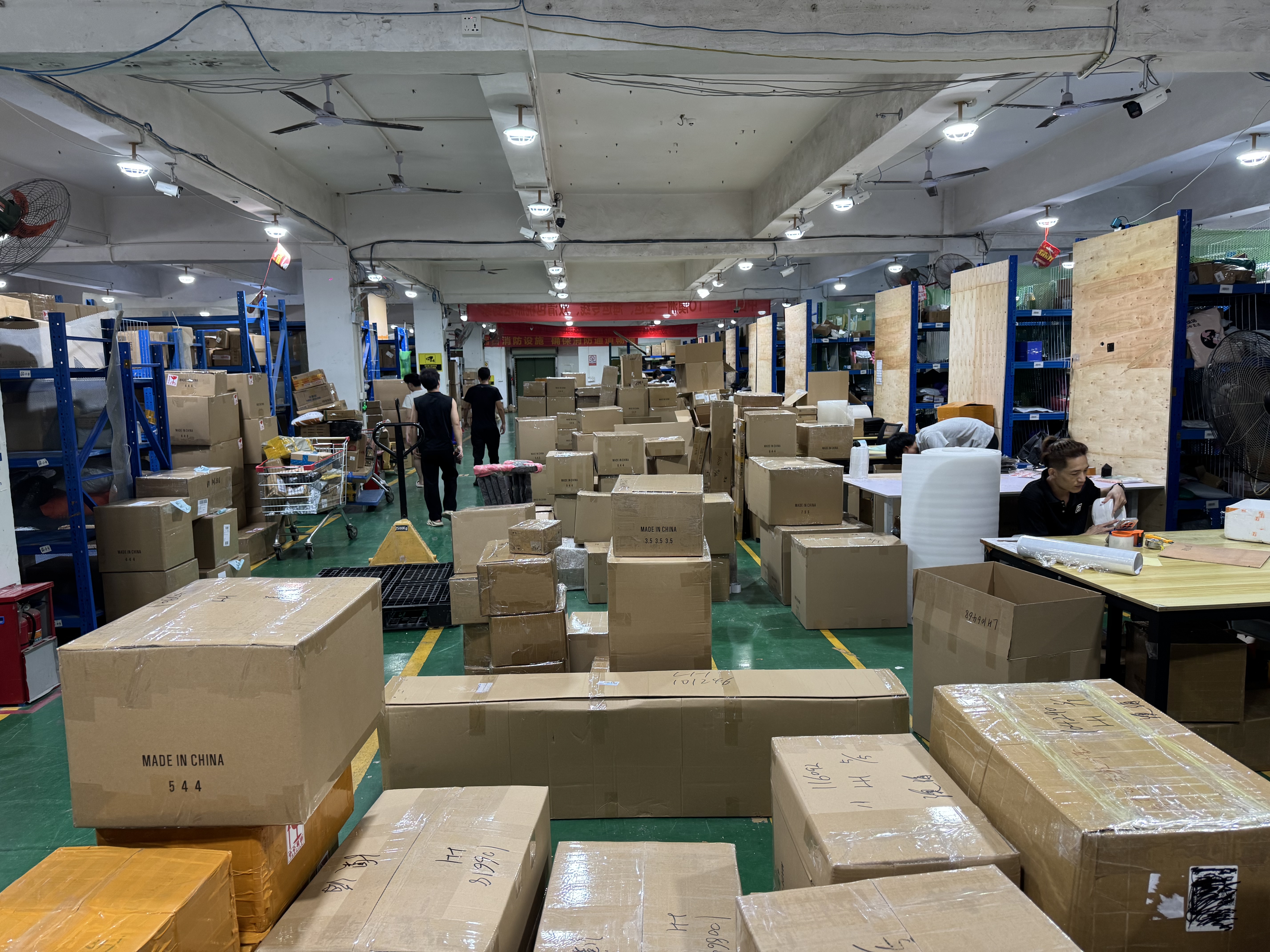
If you're shipping fragile items like glassware or electronics, proper packaging is essential. I've seen many cases where goods were damaged during transit because of inadequate packaging. A 3C electronics seller once shipped a batch of tablets without proper cushioning. When the shipment arrived in Toronto, a large number of the tablets were broken. Always use appropriate packaging materials such as bubble wrap and foam inserts for fragile goods.
Wrong Labeling Labels should clearly indicate the contents of the package, the recipient's address, and any special handling instructions. Incorrect labeling can cause confusion and delays. For example, if the address is misspelled or the barcode is not properly printed, the package may be sent to the wrong location.
VI. FAQ
What should I do if my shipment is held at customs? If your shipment is held at customs, don't panic. First, contact your carrier or customs broker. They can help you understand the reason for the hold. Usually, it's due to missing or incorrect documentation. Provide the necessary information as soon as possible to get the shipment cleared.How can I ensure the safety of my goods during transit? Choose a reliable carrier with a good reputation for handling goods safely. Use proper packaging materials, especially for fragile items. You can also consider purchasing insurance to cover any potential losses.
Is it necessary to use a customs broker? While it's not mandatory, using a customs broker can be very helpful, especially if you're new to cross - border shipping. They have in - depth knowledge of Canadian customs regulations and can help you avoid many common mistakes.
What if I need to ship a large quantity of goods? For large - quantity shipments, you may want to consider using a full - container service. This can be more cost - effective and provide better control over your shipment. Make sure to book in advance, as container space can be limited during peak seasons.
Can I ship sensitive goods to Canada? Yes, but you need to be extra careful. In 2026, there are stricter regulations for sensitive goods such as food, cosmetics, and electronics. You can use a service like the sensitive goods compliance line provided by Shengda International Logistics. They have established special compliance reporting channels to handle these types of shipments and can help you avoid potential customs inspections and seizure risks.
In summary, when using cross - border parcel forwarding to Canada in 2026, be meticulous in every step, from documentation to carrier selection and packaging. By avoiding these common pitfalls, you can ensure a smooth and hassle - free shipping process.
