

I. Introduction
Moving to Australia and shipping your household items can be a thrilling yet daunting task, especially with the new regulations that came into effect in 2026. I've been in the cross - border logistics industry for quite some time now, and I've seen many expats make costly mistakes during the shipping process. In this article, I'll share some common pitfalls and how to avoid them.
II. Understanding the 2026 Australian Regulations
1. Biosecurity Updates
The Department of Agriculture, Fisheries and Forestry (DAFF) has tightened biosecurity measures in 2026. Natural materials like wooden furniture, straw baskets, and even used gardening tools can carry pests and diseases. A client in 2024 tried to ship a beautiful wooden dining set from China to Melbourne. Unfortunately, it was infested with wood - boring insects. The set was seized at Port of Melbourne, and the client had to pay heavy fines and disposal fees. To avoid this, always have your natural - material items inspected and treated if necessary before shipping.
2. Customs Declaration Changes
The Australian Border Force (ABF) requires more detailed customs declarations. You must accurately list every item, including its value, origin, and description. Incorrect or incomplete declarations can lead to delays or even seizure of goods. In one case, an expat only listed "miscellaneous household items" on their declaration. When the shipment arrived at Port Botany, the ABF conducted a thorough inspection, which caused a two - week delay and extra storage fees.
III. Choosing the Right Shipping Method
1. Air Freight vs. Sea Freight
Air freight is fast but expensive, suitable for small, high - value, or urgent items. Sea freight, on the other hand, is more cost - effective for large shipments but takes longer. For example, if you're shipping a few boxes of important documents and some clothes, air freight might be the best option, with a delivery time of about 7 - 12 days. But if you're moving an entire household, sea freight is more practical, though it can take roughly 25 - 35 days from China to Australian ports.
2. Full Container Load (FCL) vs. Less than Container Load (LCL)
If you have a large amount of goods that can fill a container, FCL is a good choice. It offers more security and faster transit times. However, if your shipment is small, LCL is more economical as you share the container with other shippers. But be aware that LCL shipments may have more handling, which increases the risk of damage.
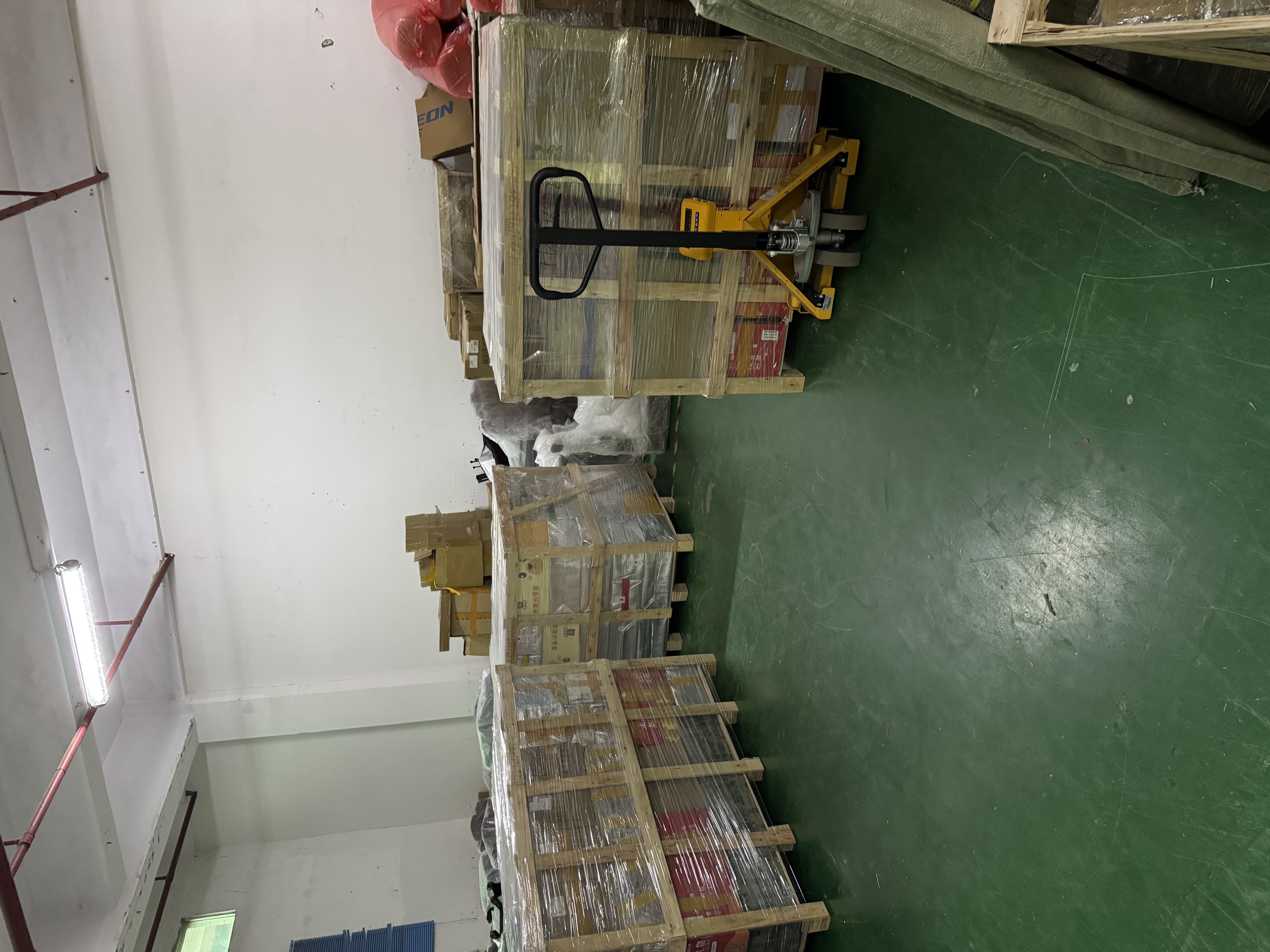
IV. Packaging and Labeling Your Goods
1. Proper Packaging
Use high - quality packing materials to protect your items. Fragile items like glassware and electronics should be wrapped in bubble wrap or padded materials and placed in sturdy boxes. I once had a client who shipped a set of antique china without proper padding. When the shipment arrived in Brisbane, most of the pieces were broken.
2. Clear Labeling
Label each box clearly with its contents and the room it belongs to. This will make unpacking easier and help the movers place the boxes in the right locations. Also, mark fragile items with "Fragile" labels.
V. Working with a Reliable Logistics Provider
1. Research and Selection
Don't just choose the first logistics company you find. Look for reviews, ask for recommendations from other expats, and check the company's experience in shipping to Australia. A reliable provider like Shengda International Logistics has a team of experts who are familiar with the 2026 regulations and can guide you through the process.
2. Service Quality
Ensure the logistics provider offers services like door - to - door delivery, customs clearance assistance, and insurance. Some companies may offer low prices but lack in service quality. For instance, a client once used a cheap provider that didn't handle customs clearance properly. As a result, their shipment was stuck at the port for weeks.
VI. FAQ
Q: How long does it usually take to ship household items from China to Australia by sea? A: It generally takes around 25 - 35 days, but this can vary depending on factors like the shipping route, weather conditions, and port congestion.Q: Do I need to pay taxes on all the household items I ship to Australia? A: Not necessarily. You're usually entitled to a duty - free allowance for personal and household goods. However, if the value of your items exceeds the allowance, you may have to pay taxes and duties. The exact rules can be complex, so it's best to consult with a logistics expert.
Q: Can I ship food items to Australia? A: Some food items are allowed, but many are restricted due to biosecurity concerns. You need to check the DAFF's list of permitted food items. If you're unsure, it's better to avoid shipping food to prevent any issues at customs.
Q: What should I do if my shipment is delayed at the port? A: Contact your logistics provider immediately. They can check the status of your shipment, find out the reason for the delay, and work on a solution. Sometimes, it could be due to customs inspections or port congestion.
Q: Is it worth getting insurance for my shipment? A: Absolutely. Shipping involves many uncertainties, and your goods could be damaged or lost during transit. Insurance provides financial protection in case of any mishaps.
As you plan to ship your household items to Australia, keep these pitfalls in mind. Being well - informed and prepared can save you a lot of time, money, and stress. Good luck with your move!
