

I. Introduction
Hey there, Canadian small business owners, importers, and e - commerce sellers! Shipping large items like sofas and beds from China to Canada can be a real headache. I've been in the cross - border logistics game for years, and I've seen all sorts of issues. For instance, I had a client back in 2024 who wanted to ship a batch of high - end sofas from Guangzhou to Vancouver. He didn't understand the process well and ended up facing high costs, long delays, and even some damages to the goods. But don't worry! In this article, I'll share a full - process guide to help you navigate this complex journey smoothly.
II. Pre - shipment Preparation
1. Product Selection and Inspection
First, source your sofas and beds from reliable Chinese suppliers. Before shipping, conduct a thorough inspection of the products. Check for any damages, quality issues, or non - compliance with Canadian standards. For example, mattresses must meet flammability standards set by the Canadian government.
2. Packaging
Proper packaging is crucial for large furniture items. Use high - quality materials like thick cardboard, bubble wrap, and wooden crates. For sofas, cover them with plastic film first to prevent moisture and dirt, then wrap them in cardboard. Beds should be disassembled if possible and packed in wooden boxes with proper cushioning to avoid scratches and damages during transit.
3. Documentation
You'll need to prepare several key documents. The Commercial Invoice should detail the description, quantity, value, and origin of the goods. The Packing List provides information about the packaging of each item in the shipment. And the Bill of Lading is a contract between you and the carrier. In 2026, there are also new regulations regarding eManifest submissions, which need to be sent to the Canadian Border Services Agency (CBSA) in advance.
III. Shipping Method Selection
1. Sea Freight
Advantages: Sea freight is the most cost - effective option for shipping large and heavy items like sofas and beds. It can handle large volumes, and the cost per unit is relatively low.Disadvantages: It has a longer transit time, usually around 25 - 40 days from Chinese ports to major Canadian ports like the Port of Vancouver or the Port of Montreal.
2. Air Freight
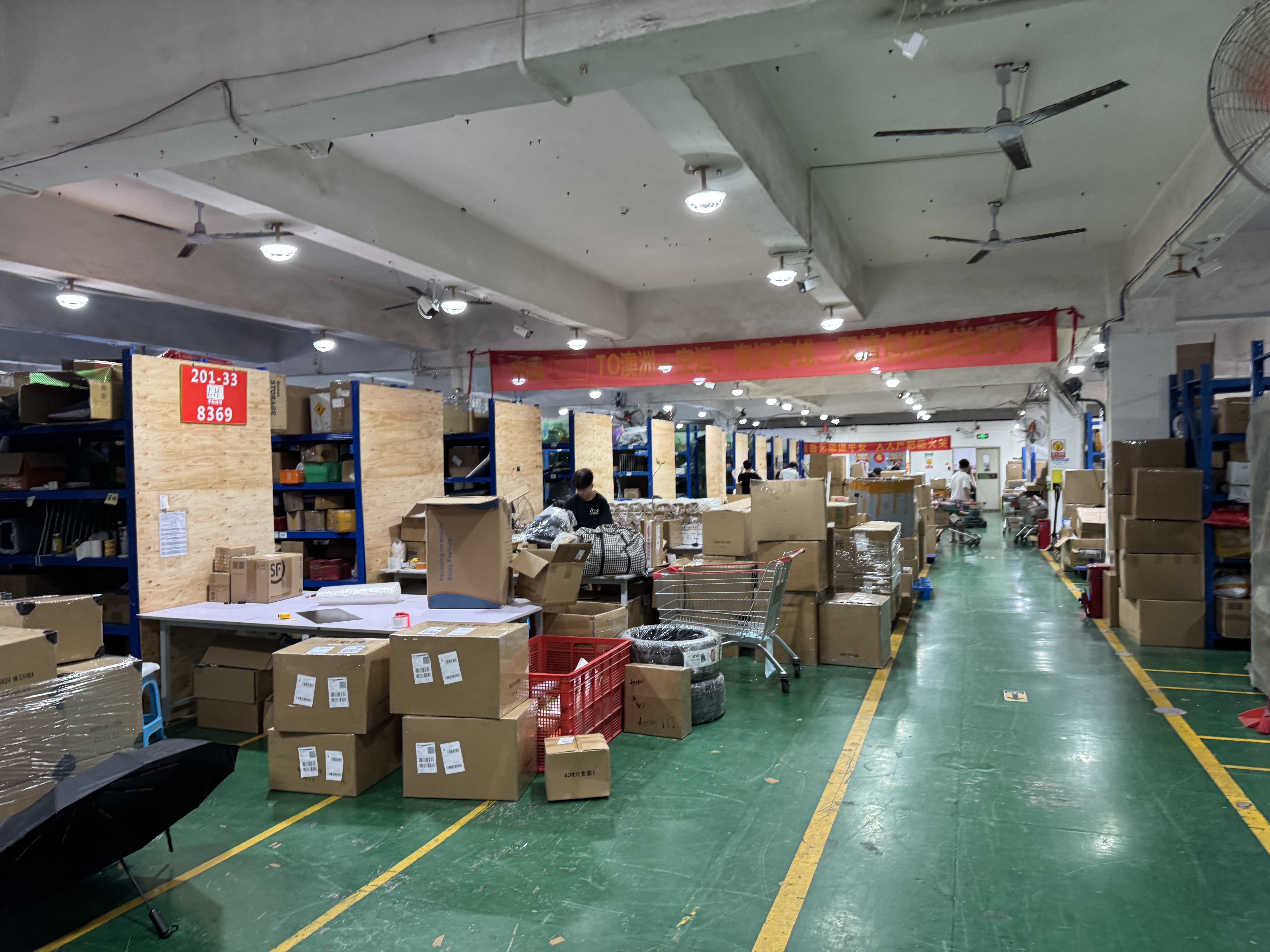
Disadvantages: Air freight is significantly more expensive than sea freight, and there are usually weight and size restrictions.
| Let's take a look at a comparison table: | Shipping Method | Cost | Transit Time | Weight and Size Limit |
|---|---|---|---|---|
| Sea Freight | Low (approx. $500 - $1500 per cubic meter) | 25 - 40 days | No strict limit | |
| Air Freight | High (approx. $5 - $10 per kilogram) | 7 - 12 days | Weight: under 1000 kg; Size: subject to airline regulations |
IV. Loading and Departure
When the cargo is ready, it will be loaded onto the chosen carrier. For sea freight, the containers will be taken to the port, and the loading process is usually handled by the shipping company. At the port, your goods will go through customs clearance in China. Make sure all your documents are in order to avoid delays.
In 2026, new inspection procedures have been introduced at Chinese ports. The customs may conduct more detailed inspections on large furniture items to ensure they meet environmental and safety standards.
V. Transit
During transit, you can track the location of your shipment. Most carriers provide online tracking services, allowing you to know the exact position of your sofas and beds at any time.
However, there are some common issues that may cause delays. Bad weather conditions can affect sea shipping, resulting in route changes and longer transit times. For example, strong storms in the Pacific Ocean can force ships to slow down or take detours. And congestion at ports can also lead to waiting times for unloading.
VI. Arrival at Canadian Ports
1. Customs Clearance in Canada
Upon arrival at Canadian ports, the CBSA will conduct inspections on your goods. They will check the accuracy of the documentation, the value of the goods for tariff purposes, and whether the products meet Canadian safety and environmental standards. If any issues are found, the goods may be detained or may require additional documents.
In 2026, there are stricter regulations on wood products due to concerns about pests and diseases. If your sofas or beds have wooden parts, they may need to be fumigated or have proper certificates to prove they meet the requirements.
2. Unloading and Storage
Once the customs clearance is completed, your goods will be unloaded from the carrier. If you are not ready to pick up the goods immediately, you can consider storing them in a local warehouse. But be aware that storage fees may apply.
VII. Delivery to Final Destination
Finally, you can arrange for the delivery of the sofas and beds to your warehouse or store. You can choose a local delivery service or use the delivery service provided by the shipping company. Make sure to check the goods again upon delivery to ensure there are no new damages.
VIII. FAQ
What if my goods are damaged during transit? Well, that's an unfortunate situation. Most shipping companies offer insurance options. It's a good idea to purchase insurance when shipping your sofas and beds. If you've chosen a reliable shipping partner like Shengda International Logistics, they have a standard damaged goods claim process. You'll need to provide evidence of the damage, such as photos, and they'll handle the rest according to the insurance policy.How can I ensure my products meet Canadian standards? Before placing an order with Chinese suppliers, clearly communicate the Canadian standards to them. You can also hire a third - party inspection agency to conduct inspections on the products before shipment. For example, for wooden parts, make sure they are compliant with the new pest and disease prevention regulations in 2026.
Can I track my shipment in real - time? Yes, you can. Most shipping carriers offer online tracking services. You can get a tracking number when your goods are shipped and use it to check the location of your shipment at any time. Some advanced shipping companies, like Shengda International Logistics, also have their own intelligent tracking systems that provide more detailed and accurate information.
Are there any additional taxes or fees I need to pay in Canada? There may be. The CBSA will assess duties and taxes based on the value of your goods. The Harmonized System (HS) code of your sofas and beds determines the tax rate. In addition, there may be handling fees at the port. It's important to factor these costs into your budget.
What should I do if my shipment is delayed at the port? First, contact your shipping agent immediately. They can provide you with information about the reason for the delay. Common reasons include customs inspections, port congestion, or bad weather. If it's a customs issue, the agent can help you resolve it by providing the necessary documents. If it's due to port congestion, you'll have to wait, but the agent can keep you updated on the progress.
