

I. Introduction
Hey there, Australian small business owners, importers, and e - commerce sellers! I've been in the cross - border logistics game for quite a while, dealing with China - Australia shipments regularly. I've seen so many people make mistakes that could have been easily avoided. By 2026, with new policies and market changes in the cross - border shipping industry, it's crucial to know what pitfalls to steer clear of when shipping bulk parcels.
II. Common Pitfalls and How to Avoid Them
1. Ignoring 2026 Policy Changes
The Australian Border Force (ABF) and the Department of Agriculture, Fisheries and Forestry (DAFF) are due to introduce new regulations in 2026. For example, there'll be stricter bio - security checks on imported goods. I had a client back in 2024 who shipped a batch of wooden furniture from China to Sydney. They didn't know about the wood treatment requirements, and the shipment got held up at Port Botany for weeks. The goods were eventually released after costly treatment, but the delay cost the business a lot in terms of lost sales opportunities.
Solution: Stay updated with official announcements from ABF and DAFF. You can subscribe to their newsletters or follow their social media channels. Before shipping, double - check if your products need any special permits or treatments.2. Incorrect HS Code Classification
Harmonized System (HS) codes are used to classify products for customs purposes. Using the wrong HS code can lead to incorrect duty calculations, delays, or even fines. I've seen apparel importers misclassify their products, thinking they were a different fabric type than they actually were. This led to under - payment of duties, and when the customs authorities caught on, the importers had to pay hefty back - duties and penalties.
Solution: Consult a professional customs broker. They have in - depth knowledge of HS codes and can ensure accurate classification. You can also refer to the World Customs Organization's HS code database for guidance.3. Overlooking Packaging Requirements
Proper packaging is essential for bulk shipments. In 2026, with more emphasis on environmental protection and product safety, packaging regulations will be more stringent. I remember a 3C electronics seller who shipped a large order to Melbourne. The packaging was flimsy, and many of the products got damaged during transit. The seller not only had to bear the cost of the damaged goods but also faced customer dissatisfaction.
Solution: Use high - quality packaging materials that can withstand the rigors of long - distance shipping. For fragile items, add extra cushioning. Also, make sure the packaging is environmentally friendly if possible, as this may become a requirement in the future.4. Poor Logistics Partner Selection
Choosing the wrong logistics partner can be a disaster. Some logistics providers may have hidden fees, unreliable transit times, or poor customer service. I once worked with an e - commerce seller who chose a cheap but inexperienced logistics company for their bulk shipment from China to Brisbane. The company promised a short transit time but ended up delaying the shipment by over two weeks. There were also hidden fees for handling and storage that the seller wasn't aware of.
Solution: Do your research. Read reviews, ask for referrals from other businesses, and compare quotes from different logistics companies. Look for a company with a good track record, transparent pricing, and excellent customer service. For instance, Shengda International Logistics is a reliable option. They have been in the industry for a long time, offer various services like air and sea freight, and have a team of experts to handle all aspects of the shipment.5. Inadequate Documentation
Incomplete or inaccurate documentation is a major cause of shipment delays. 2026 will see more scrutiny on documentation due to the new policies. I've had clients who forgot to include necessary certificates or filled out invoices incorrectly. In one case, a home goods seller shipping to Sydney didn't provide the correct origin certificate, and the shipment was held at customs until the issue was resolved.
Solution: Create a checklist of all the required documents for each shipment. These may include commercial invoices, packing lists, certificates of origin, and import permits. Double - and triple - check the information on the documents before sending them.III. Case Studies
1. Apparel Importer in Melbourne
Specific Scenario: An apparel importer ordered a bulk shipment of summer clothing from a Chinese factory. The order was a significant investment, and the importer was looking forward to the peak summer sales season.Problem Encountered: The importer used an inexperienced customs broker who misclassified the clothing's HS code. As a result, the shipment was held at the Port of Melbourne for a customs review. The incorrect duty calculation also led to a dispute with the customs authorities, and the importer had to pay additional duties and fines.
Final Outcome: The delay caused the importer to miss the start of the summer sales season. They had to offer steep discounts to clear the inventory, resulting in a significant loss of profit.
2. 3C Electronics Seller in Sydney
Specific Scenario: A 3C electronics seller shipped a large batch of smartphones and accessories from China to Sydney. The seller wanted to take advantage of the high - demand market in Australia.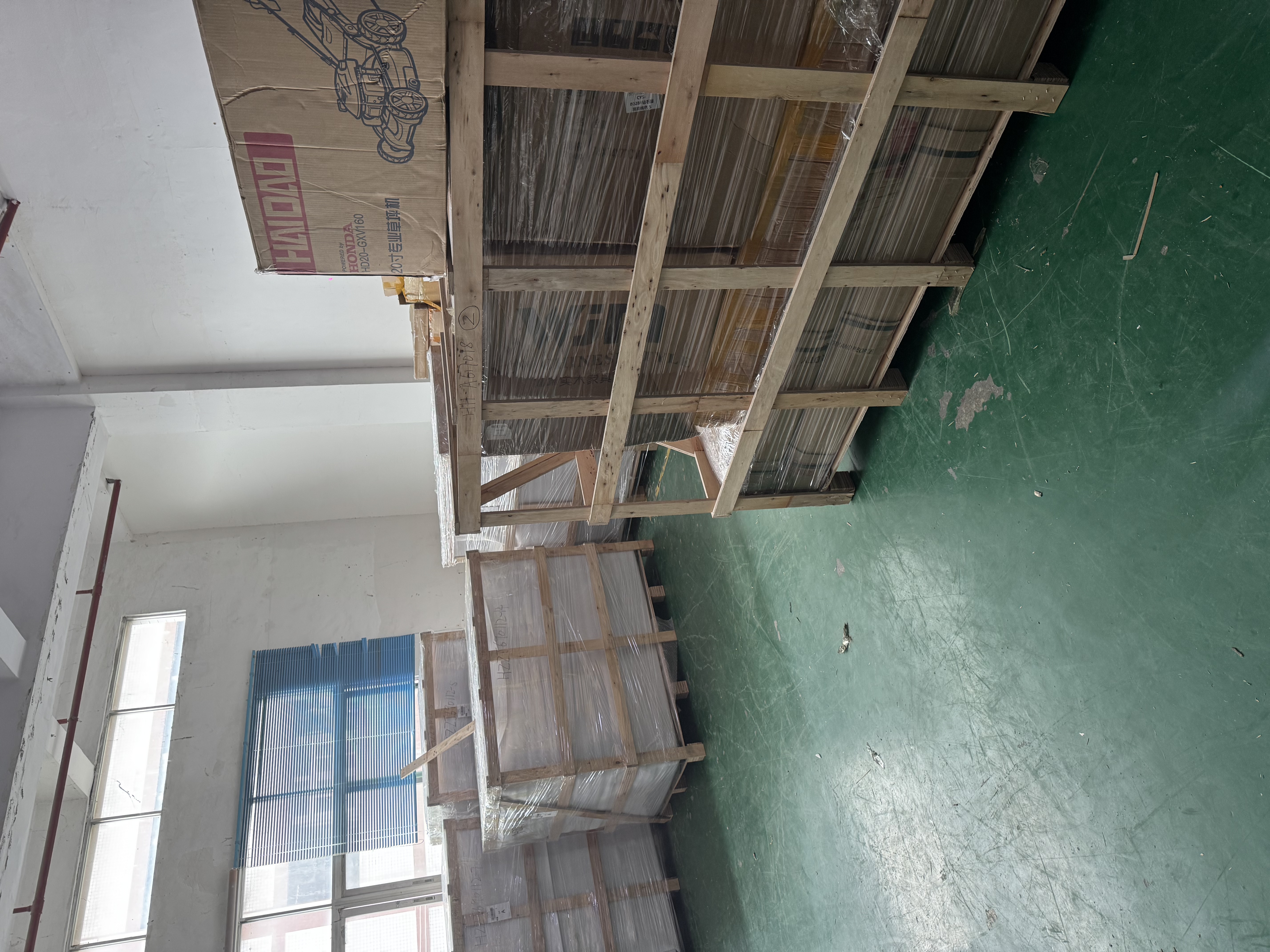
Problem Encountered: The packaging used for the electronics was not up to standard. During transit, several of the smartphones were damaged due to improper cushioning. The seller also didn't have proper insurance coverage for the shipment.
Final Outcome: The seller had to replace the damaged phones at their own cost. They also faced negative reviews from customers, which affected their brand reputation.
IV. FAQ
What if I'm not sure about the 2026 policy changes? Who can I consult? You can consult official sources like the Australian Border Force (ABF) and the Department of Agriculture, Fisheries and Forestry (DAFF). They have detailed information on the new policies. You can also hire a professional customs broker, as they keep themselves updated with all the regulatory changes. For example, Shengda International Logistics has a team of experts who can help you navigate through the new policies.
How can I ensure my packaging meets the 2026 requirements? Research the latest packaging standards and environmental regulations. You can also reach out to your logistics provider for guidance. They often have experience dealing with different types of products and can recommend the appropriate packaging materials. For example, if you're shipping fragile items, they may suggest using bubble wrap or foam inserts.
What should I do if my shipment gets delayed at customs? First, contact your customs broker or logistics provider immediately. They can check the status of your shipment and determine the cause of the delay. You may need to provide additional documentation or clarify some information. If the delay is due to a misunderstanding, it can usually be resolved quickly.
Is it necessary to get insurance for my bulk shipment? It's highly recommended. Shipping involves many uncertainties, such as damage, loss, or theft. Insurance can protect you from financial losses in case something goes wrong with your shipment. Different insurance plans offer various levels of coverage, so you can choose one that suits your needs.
How can I avoid hidden fees when working with a logistics company? Before signing a contract, ask for a detailed breakdown of all the fees. Make sure you understand what is included in the price and what additional charges may apply. Read the terms and conditions carefully. If possible, get quotes from multiple logistics companies and compare them to ensure transparency.
In 2026, with the changes in the China - Australia cross - border shipping industry, being well - informed and avoiding these common mistakes will help you save time, money, and stress. Keep these tips in mind, and you'll be better prepared for a successful bulk shipment!
