

I. Introduction
Hey there, Australian small business owners, importers, and e - commerce sellers! You might be gearing up for the upcoming 2026 shipping season, and one service that could be a game - changer is the package repacking service. I've been in the cross - border logistics business for years, and I've seen firsthand how this service can make or break a shipment.
There was a time back in 2024 when I had a client, a home goods seller based in Sydney. They shipped a large order of delicate glassware from China. Without proper repacking, many items arrived damaged, which led to huge losses for them. After that experience, I realized how crucial it is to understand the ins and outs of package repacking services, especially with the new regulations and trends coming in 2026.
II. Understanding the Significance of Package Repacking in 2026
New Biosecurity Regulations The Australian Border Force (ABF) and the Department of Agriculture, Fisheries and Forestry (DAFF) are implementing stricter biosecurity measures in 2026. Repacking helps ensure that your goods are properly cleaned and sealed from any potential pests or contaminants. For instance, if you're importing wooden furniture from China, repacking can involve fumigation and proper wrapping to meet the new biosecurity standards.Optimizing Shipping Costs By repacking, you can optimize the size and weight of your packages. This is super important as shipping carriers often charge based on volumetric weight. A 3C electronics seller in Melbourne once came to me with a problem. Their products were being shipped in large, bulky boxes, which were costing them a fortune in shipping fees. After repacking the items into more compact boxes, they were able to save around 30% on shipping costs.
III. Key Features of Package Repacking Service (40% of the Article)
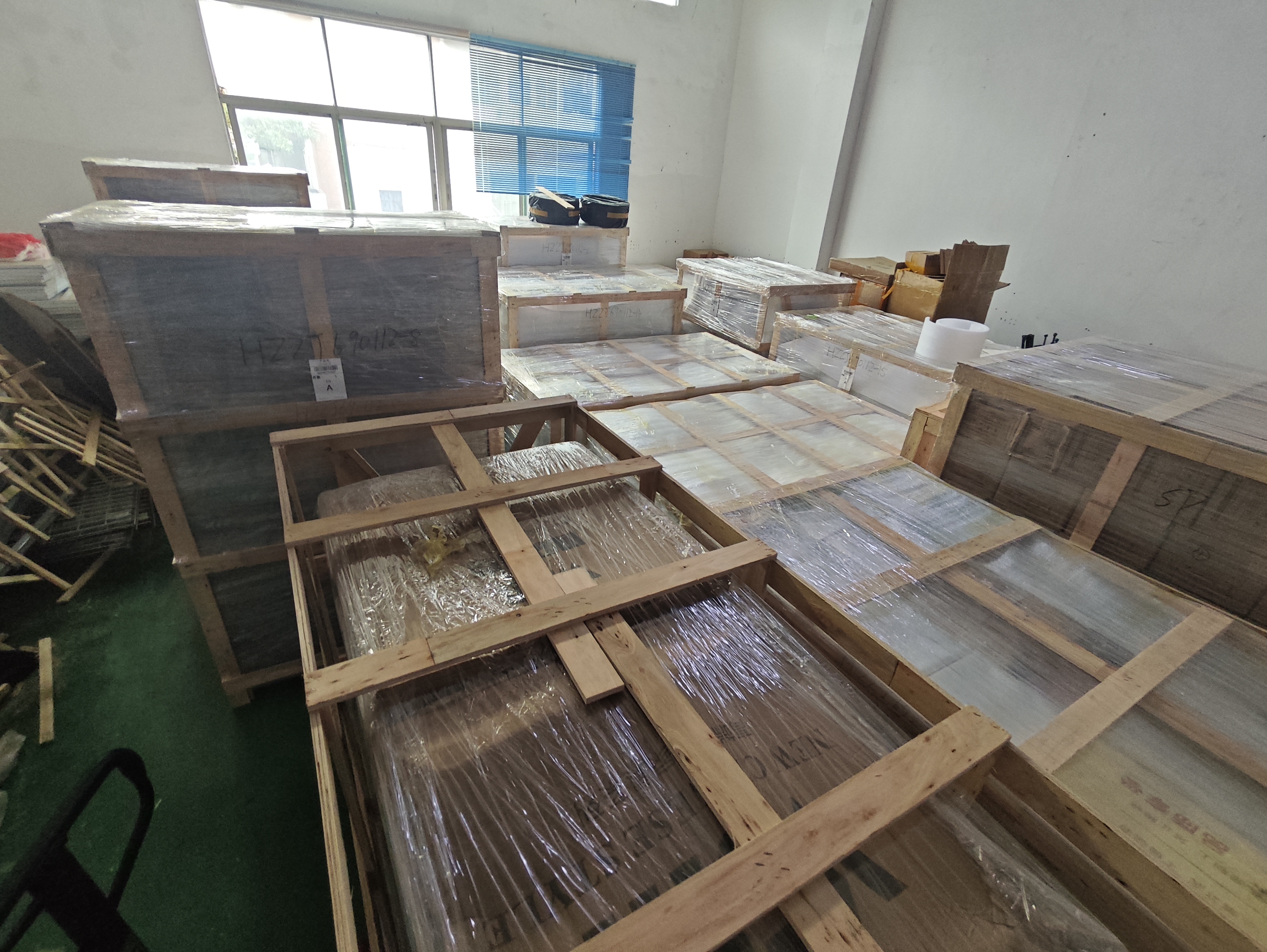
Inspection and Cleaning Before repacking, every item is thoroughly inspected. For example, if you're importing clothing, the items will be checked for any signs of contamination, such as dirt, insects, or mold. They'll also be cleaned if necessary. This is a critical step as any non - compliant item can lead to delays or even rejection at the Australian border.Custom Packaging Design The repacking service will design custom packaging based on the nature of your goods. Fragile items like glassware or electronics will be packed with extra cushioning materials, such as bubble wrap or foam inserts. For example, a home goods seller importing ceramic vases from China will have their products packed in custom - made boxes with individual compartments and plenty of padding to prevent breakage during transit.
Labeling and Documentation Proper labeling is essential for smooth customs clearance. The repacking service will ensure that all packages are labeled with accurate information, including the product description, quantity, and origin. They'll also handle the necessary documentation, such as the bill of lading and customs declaration forms. This helps avoid any confusion or delays at the border.
IV. Choosing the Right Repacking Service Provider
Compliance with Regulations Ensure that the provider is well - versed with the 2026 Australian biosecurity and customs regulations. They should be able to provide you with documentation proving their compliance. A reliable provider will also keep you updated on any regulatory changes that might affect your shipments.
Cost - effectiveness While cost shouldn't be the only factor, you want to find a service that offers good value for money. Compare the prices of different providers, but also consider the quality of their service. Sometimes, paying a little more upfront can save you a lot in the long run by avoiding costly delays or rejections.
V. Potential Pitfalls and How to Avoid Them
Inadequate Padding One common pitfall is inadequate padding in the repacked boxes. This can lead to damage during transit, especially for fragile items. To avoid this, make sure the repacking service uses high - quality cushioning materials and that they know how to pack your products properly.Incorrect Labeling Incorrect labeling can cause major problems at customs. Check that the labels are accurate and comply with all Australian regulations. If possible, double - check the labeling before the shipment departs.
Hidden Costs Some repacking services may have hidden costs, such as fees for additional services or unexpected charges. Always get a detailed quote upfront and read the terms and conditions carefully to avoid any surprises.
VI. FAQ
How much does a package repacking service usually cost? The cost can vary depending on several factors, such as the type of goods, the volume of the shipment, and the level of service required. Generally, it could range from a few dollars per item to a percentage of the total shipping cost. For small - volume shipments, it might be around 5 - 10% of the shipping cost, while for large - scale shipments, it could be lower in percentage terms but still a significant amount depending on the quantity.Is repacking really necessary for all Australian shipments in 2026? Not all shipments will require repacking, but it's highly recommended, especially for international shipments and those that might be subject to biosecurity regulations. Goods coming from regions with a higher risk of pests or contaminants are more likely to need repacking.
How long does the repacking process take? It typically takes 1 - 3 working days, but this can vary depending on the complexity of the repacking, the number of items, and the service provider's workload. If you have a tight shipping schedule, make sure to discuss it with the repacking service in advance.
Can I use my own packaging materials for repacking? In some cases, you can, but it's important to ensure that your materials meet the necessary standards. The repacking service might have specific requirements regarding the quality and type of packaging materials, especially to comply with Australian regulations.
What if my goods are damaged during the repacking process? A reputable repacking service will have an insurance or compensation policy in place. Before you engage their services, make sure to clarify their liability in case of damage and what steps they'll take to rectify the situation.
As you plan for your 2026 Australian shipments, keep these insights in mind. The package repacking service can be a powerful tool to ensure your goods arrive safely and on time, but it's important to choose the right provider and be aware of potential issues. Good luck with your shipping endeavors!
