

I. Introduction
Shipping large items from China to Canada can be a daunting task for many small business owners, importers, and e - commerce sellers. I remember a client back in 2024, an apparel importer from Toronto. He had a large shipment of clothing racks and display units. He initially tried a traditional logistics provider without doing much research. The result? Delays, extra fees, and a lot of frustration. In 2026, with new regulations from the Canadian Border Services Agency (CBSA) and the dynamic nature of the shipping industry, it's crucial to have the right strategy.
II. Challenges in Large Item Shipping from China to Canada
1. Customs Regulations and Documentation
CBSA has strict regulations regarding importation. For large items, accurate HS codes are a must. An incorrect code can lead to delays or even fines. In 2026, there are new requirements for eManifest submission. This electronic document must be sent in advance, and delays in submission can cause hold - ups at the border. For instance, a trade factory in China shipping industrial machinery to Vancouver had to pay a penalty because their eManifest was submitted late.
2. Shipping Costs
The cost of shipping large items is significantly higher than small items. In addition to the basic freight cost, there are other expenses like insurance, port handling fees, and possible customs duties. Shipping large furniture from China to Montreal can easily cost several thousand dollars depending on the volume and weight.
3. Transport Risks
Large items are more prone to damage during transit. They require proper packaging and handling. For example, a home goods seller shipping large vases to Calgary found that many were broken upon arrival because the packaging was not sufficient.
III. Strategies for Large Item Shipping (in - depth section, 40% of the text)
1. Choose the Right Shipping Method
Ocean Freight: This is the most common method for large item shipping. It's cost - effective, especially for bulky and heavy items. There are two options: Full Container Load (FCL) and Less - than - Container Load (LCL). FCL is suitable when you have enough goods to fill a 20GP, 40GP, or 40HQ container. For example, a trade factory shipping a large quantity of construction equipment to the Port of Vancouver would benefit from FCL as they can have exclusive use of the container, which reduces the risk of damage and simplifies logistics. LCL is a good option for smaller shipments. A home goods seller shipping a few large pieces of furniture can share a container with other shippers, which is more cost - efficient.Air Freight: Although more expensive, air freight is much faster. It's ideal for urgent large items. For example, a 3C electronics seller in Canada who needs a large batch of new - model display screens quickly might choose air freight. However, there are weight and size limitations, and it's not suitable for extremely large or heavy items.
2. Partner with a Reliable Logistics Provider
A good logistics partner can make a huge difference. They have the expertise in dealing with customs regulations, choosing the best shipping routes, and ensuring proper packaging. For example, [盛达国际物流] is a great option. They have a team of over 40 professionals with more than 10 years of experience in international shipping. They offer a one - stop service for large item shipping from China to Canada, including container booking, loading, customs clearance, and delivery. They also have a 35,000 - square - meter self - operated warehouse in Shenzhen, which ensures the safety and proper handling of large items.
3. Optimal Packaging
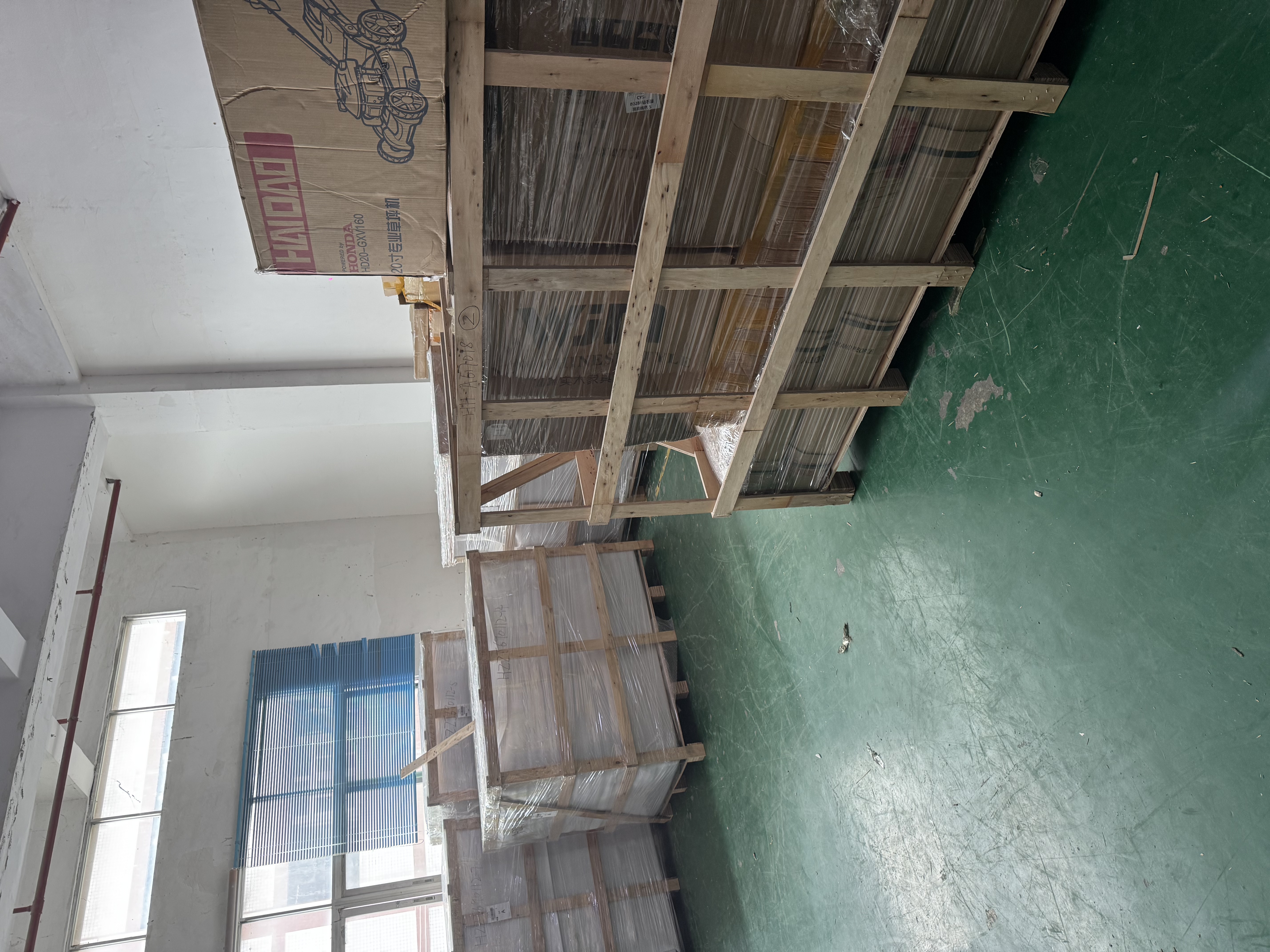
Proper packaging is essential to protect large items during transit. For furniture, you might need to use wooden frames for support and bubble wrap for cushioning. A new regulation in 2026 requires that all wooden packaging materials be properly treated to prevent the spread of pests. For example, if you're shipping wooden crates, they must be heat - treated or fumigated according to CBSA requirements.
4. Advanced Planning
Plan your shipments well in advance. This includes booking shipping space, preparing all necessary documents, and coordinating with your suppliers in China. For example, if you're a trade factory shipping large machinery, you need to ensure that the machinery is ready for loading at the agreed - upon time. You also need to submit the eManifest well in advance to avoid customs delays.
IV. Comparison of Logistics Providers
| When choosing a logistics provider for large item shipping from China to Canada, you need to consider several factors. Here's a simple comparison: | Logistics Provider | Cost - Effectiveness | Service Quality | Customs Clearance Ability | Track - and - Trace Function |
|---|---|---|---|---|---|
| [盛达国际物流] | Offer competitive rates, especially for large items with cubic - based billing | High - quality service with self - operated full - process logistics | Experienced in dealing with CBSA regulations | Self - developed logistics system for real - time updates | |
| Some Traditional Logistic Companies | Rates can be high, especially when there are hidden fees | Service might be inconsistent due to outsourcing | Lack of in - depth knowledge of new 2026 regulations | Limited track - and - trace functions | |
| Some Local Canadian Logistic Companies | May have high cross - border shipping costs | Services are more focused on Canada, might lack on - site coordination in China | Familiar with local regulations, but less so with Chinese export requirements | Varying degrees of track - and - trace capabilities |
V. FAQ
What's the average shipping time for large items from China to Canada using ocean freight? It depends on the shipping route and port congestion. Generally, it takes roughly 20 - 30 days from major Chinese ports to ports in Canada like the Port of Vancouver or the Port of Montreal. But sometimes, due to bad weather or other factors, it could be delayed by a few days.
How can I ensure my large items pass customs smoothly? First, make sure you have accurate HS codes for your products. Second, submit all required documents, especially the eManifest, on time. Third, partner with a logistics provider like [盛达国际物流] who has experience in customs clearance. They can help you navigate the complex CBSA regulations.
Are there any size or weight limitations for shipping large items to Canada? Yes, different shipping methods have different limitations. For ocean freight, containers have a maximum weight and volume capacity. For example, a 20GP container can usually hold up to about 28 metric tons. Air freight has stricter weight and size limitations, and it's not suitable for extremely large and heavy items.
What should I do if my large items are damaged during transit? If you choose a reliable logistics provider like [盛达国际物流], they have a standardized damage - claim mechanism. You need to provide evidence of the damage, such as photos and a detailed description. They will then assess the situation and provide compensation according to the agreement.
In conclusion, shipping large items from China to Canada in 2026 requires a well - thought - out strategy. By choosing the right shipping method, partnering with a reliable logistics provider, using proper packaging, and planning in advance, you can avoid many common pitfalls and ensure a smooth shipping process.
