

I. Introduction
Hey there, Australian small business owners, importers, and e - commerce sellers! Shipping goods by sea to Winnipeg, Canada in 2026 can be a great option for your business. But let me tell you, I've seen a lot of folks stumble along the way. I remember back in 2024, I had a client who was an apparel importer. He thought he had everything sorted for his sea freight to Winnipeg, but ended up facing a mountain of problems. So, in this article, I'll share some common pitfalls and how you can avoid them.
II. Customs and Regulatory Pitfalls (40% of the article)
1. Inaccurate Product Classification
One of the biggest headaches in cross - border shipping is getting the HS codes wrong. Your product's HS code determines the duty rates and regulatory requirements. In 2026, the Canadian Border Services Agency (CBSA) has tightened its scrutiny on product classifications. I once had a 3C electronics seller who misclassified some smartwatches. He used an HS code that was too general, thinking it would simplify the process. But the CBSA caught it during the inspection, and his shipment was held up for over two weeks. The final outcome? He had to pay additional duties and fines, and his customers were left waiting.
To avoid this, take the time to accurately classify your products. You can consult a customs broker or use the official CBSA HS code database. It might seem like a hassle, but it'll save you a ton of trouble in the long run.
2. Incomplete Documentation
Documentation is the backbone of international shipping. In 2026, the CBSA has introduced new requirements for sea freight to Winnipeg. You need to provide a detailed commercial invoice, packing list, and bill of lading. I've seen many businesses overlook the packing list. A home goods seller I worked with didn't include a detailed packing list with item descriptions and quantities. When the shipment arrived in Winnipeg, the CBSA couldn't verify the contents, and the goods were put on hold. After a week of back - and - forth communication and providing the correct documentation, the shipment was finally released, but the delay cost the seller a lot in terms of customer satisfaction and potential sales.
Make sure all your documents are complete, accurate, and up - to - date. Double - check them before sending your shipment.
3. Non - compliance with Canadian Regulations
Canada has strict regulations regarding product safety, environmental standards, and labeling. For example, certain types of furniture may need to meet flammability standards, and food products must comply with the Canadian Food Inspection Agency (CFIA) regulations. A trade factory once shipped a batch of wooden furniture to Winnipeg without proper treatment to meet the pest control requirements. The shipment was quarantined at the port, and the factory had to pay for additional treatment and storage fees. Eventually, they were able to get the goods released, but the extra costs ate into their profits.
Before shipping, research the specific regulations that apply to your products. You may need to obtain certifications or make modifications to your products to ensure compliance.
III. Shipping and Logistics Pitfalls
1. Incorrect Shipping Route Selection
The shipping route you choose can have a big impact on your shipment's transit time and cost. Some routes may be more congested or have higher risks of delays. For instance, choosing a route that passes through a port with frequent labor strikes can lead to significant delays. I had an apparel importer who chose a route through a port that was known for its labor disputes. His shipment was stuck at the port for almost three weeks due to a strike. The final outcome was that he missed his selling season, and had to sell his products at a discounted price.
Do your research on different shipping routes. Consider factors like transit time, port congestion, and historical delay rates. You can also consult with your freight forwarder for advice.
2. Improper Packaging
Proper packaging is crucial for the safety of your goods during sea freight. The rough conditions at sea can easily damage poorly packed items. A 3C electronics seller once shipped a batch of smartphones in regular cardboard boxes without sufficient padding. When the shipment arrived in Winnipeg, many of the phones were damaged due to the rough handling during the journey. The seller had to bear the cost of replacing the damaged goods and lost potential sales.
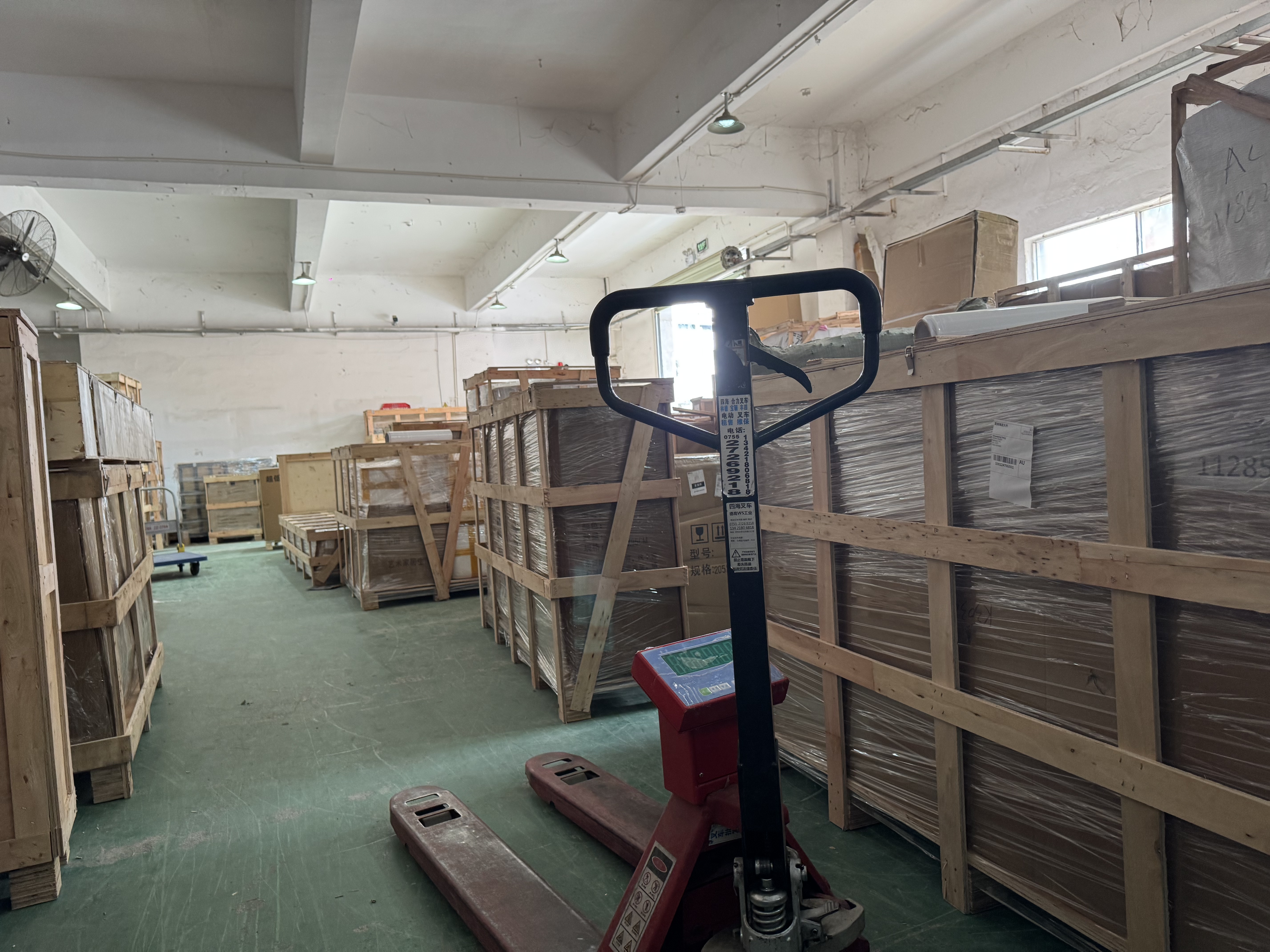
Use high - quality packaging materials and make sure your products are well - protected. For fragile items, add extra padding and consider using custom - made packaging if necessary.
IV. Cost - related Pitfalls
1. Hidden Costs
There are often hidden costs associated with sea freight to Winnipeg. These can include port fees, storage fees, and customs clearance fees. I've had a lot of clients who were shocked by unexpected costs. A home goods seller was quoted a certain price for shipping, but when the goods arrived, he was hit with additional port handling fees and storage fees because the shipment was held up at the port for longer than expected. The final cost ended up being much higher than he had budgeted for.
When getting quotes from freight forwarders, make sure to ask about all potential costs. Get a detailed breakdown of the fees and clarify any terms that you're not sure about.
2. Currency Fluctuations
Currency fluctuations can also affect your shipping costs. If you're paying in a different currency than your local one, changes in exchange rates can lead to unexpected expenses. A trade factory that was paying in US dollars for its sea freight to Winnipeg found that due to a sudden depreciation of the Australian dollar against the US dollar, the cost of shipping increased significantly. This ate into their profit margins.
Consider using currency hedging strategies to protect yourself against currency fluctuations. You can also negotiate with your freight forwarder to lock in a fixed exchange rate for a certain period.
V. FAQ
Q1: How can I find a reliable freight forwarder for sea freight to Winnipeg? A: Look for freight forwarders with experience in shipping to Canada. Check their reviews and ask for references. You can also look for those who are members of industry associations. For example, at [Company Name], we have a team of experts with years of experience in cross - border shipping, and we've helped many businesses successfully ship their goods to Winnipeg.
Q2: What should I do if my shipment is held up at customs? A: First, stay calm. Contact your customs broker or freight forwarder immediately. They can help you determine the reason for the hold - up and guide you through the process of getting your shipment released. Usually, it's a matter of providing additional documentation or clarifying some information.
Q3: How long does it typically take for a sea freight shipment to reach Winnipeg from Australia in 2026? A: It can vary depending on many factors, such as the shipping route, port congestion, and the type of service you choose. On average, it can take roughly 25 - 35 days. But keep in mind that this is just an estimate, and there could be delays.
Q4: Can I ship sensitive goods via sea freight to Winnipeg? A: Yes, but it's more complicated. Sensitive goods, like food or electronics with batteries, need to comply with special regulations. You may need to work with a freight forwarder that has a dedicated sensitive goods compliant service. For instance, at [Company Name], we have a specialized sensitive goods compliance service to help you navigate the regulations.
Q5: What are the consequences of not complying with Canadian regulations? A: Non - compliance can lead to serious consequences. Your shipment may be held at the port, you may face fines, and in some cases, your goods may even be seized. It can also damage your reputation as a business. So, it's really important to make sure you understand and comply with all the relevant regulations.
As you plan your sea freight to Winnipeg in 2026, always be on the lookout for these pitfalls. A little preparation can go a long way in ensuring a smooth and successful shipping process for your business.
