

I. Introduction
Moving to a new country is an exciting but daunting experience, especially when it comes to international household removal. As an immigrant from China to Australia, you'll face numerous challenges in transporting your belongings. In 2026, new policies and regulations set by the Australian Border Force (ABF) and the Department of Agriculture, Fisheries and Forestry (DAFF) have added more complexity to the process. I've been in the cross - border logistics business for a long time, and I've seen many immigrants make costly mistakes. In this article, I'll share some common pitfalls and how to avoid them.
II. Common Mistakes in Documentation
1. Incorrect or Incomplete Information
I once had a client back in 2024 who was relocating from Shanghai to Sydney. He filled out the customs declaration form in a hurry and made several mistakes in listing the items. For example, he didn't accurately state the value of some antique furniture, thinking it was just old stuff. When his shipment arrived at Port Botany, it was held up for inspection. The ABF suspected under - valuation and spent extra time verifying the details. As a result, his shipment was delayed by roughly 14 days, and he had to pay additional demurrage fees. To avoid this, make sure to double - check all the information on your documents, including item descriptions, quantities, and values.
2. Missing Certificates and Permits
Certain items require special certificates and permits to enter Australia. For instance, wooden furniture often needs a phytosanitary certificate to prove it's free from pests and diseases. If you don't have this certificate, your shipment may be rejected or subjected to costly treatments. In 2026, the DAFF has become even stricter about these regulations. Another client of mine was shipping a set of traditional Chinese wooden cabinets to Melbourne. He thought he could get away without the proper certificate, but when the shipment reached the Port of Melbourne, it was quarantined. He had to pay for fumigation and re - inspection, which added a significant cost to his move.
III. Prohibited and Restricted Goods
1. Understanding the Rules
Australia has strict rules regarding prohibited and restricted goods. In 2026, there have been some updates to these regulations to protect the country's unique ecosystem and public health. For example, many types of food, plants, and animal products are prohibited or restricted. I remember a family moving from Beijing to Brisbane. They packed a lot of homemade Chinese snacks and some dried herbs. When their shipment was inspected at the port, these items were confiscated. The family was very disappointed as these were precious reminders from home. So, before packing, carefully check the list of prohibited and restricted goods provided by the ABF and DAFF.
2. Hidden Prohibited Items
Sometimes, there are hidden prohibited items in your belongings. For example, some old electronics may contain batteries with certain chemicals that are restricted. Or, a piece of clothing may have a small wooden ornament that requires proper certification. When packing your items, go through each one carefully and remove any potential problem items.
IV. Shipping Method and Carrier Selection
1. Not Comparing Shipping Options
Many immigrants simply choose the first shipping company they find without comparing different options. There are several shipping methods available, such as sea freight and air freight. Sea freight is usually more cost - effective for large household shipments, but it takes longer. Air freight is faster but much more expensive. I've seen immigrants who were in a hurry and chose air freight without considering the cost. One couple moving from Guangzhou to Sydney spent almost twice as much on shipping as they should have because they didn't explore sea freight options. It's important to get quotes from multiple carriers and compare their rates, services, and transit times.
2. Choosing an Unreliable Carrier
Selecting an unreliable shipping carrier can lead to many problems. I once had a client who shipped his belongings with a small, unknown carrier. The carrier promised a fast delivery time but then faced financial difficulties. As a result, the client's shipment was delayed for over a month, and there was no proper communication from the carrier. To avoid this, choose a carrier with a good reputation, proper licensing, and positive customer reviews. For example, Shengda International Logistics has been in the business for a long time and has a proven track record in cross - border household removal from China to Australia. They offer a range of services, including packing, shipping, and customs clearance.
V. Packing and Handling
1. Improper Packing
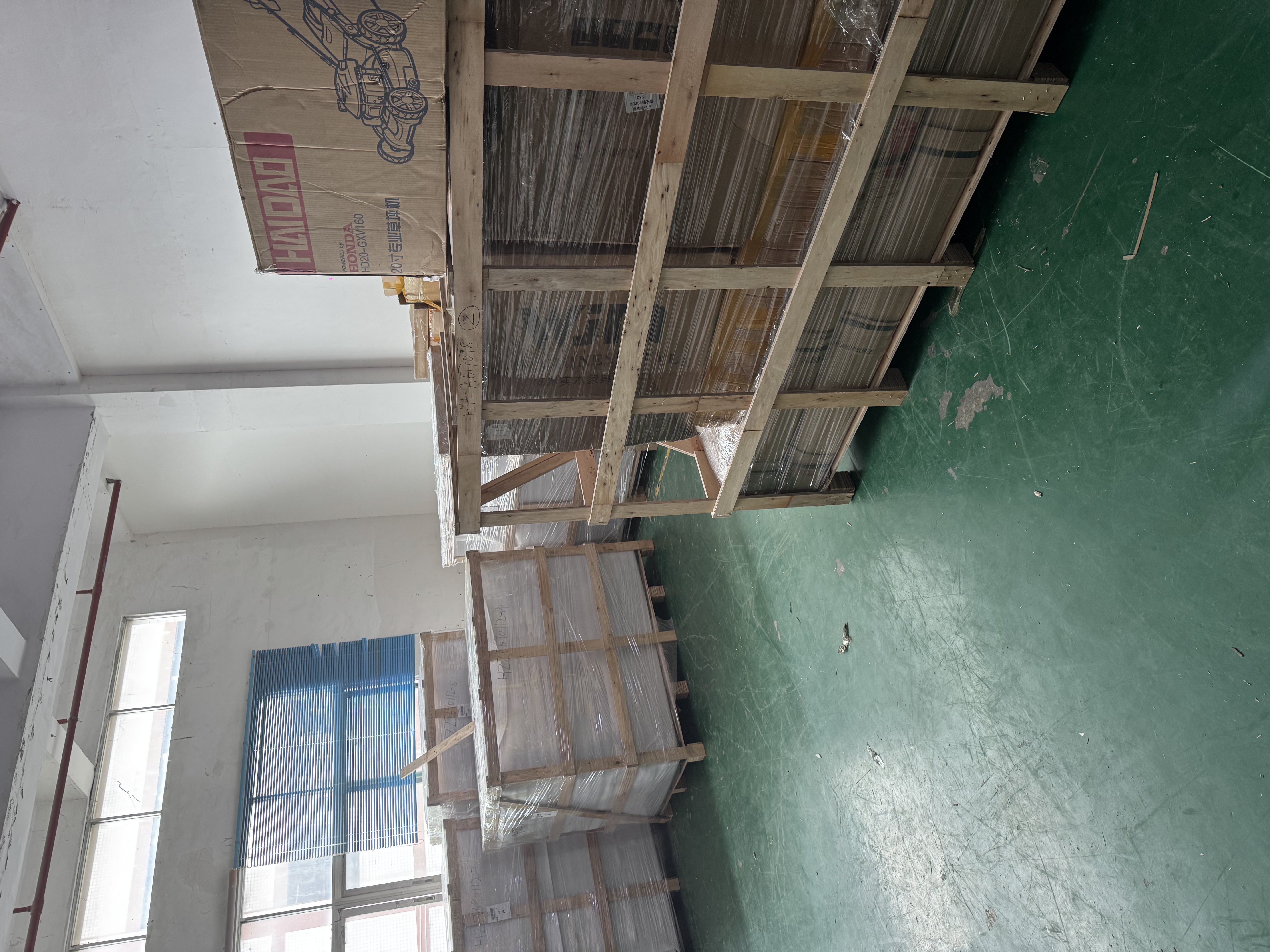
Improper packing can lead to damage to your belongings during transit. For example, fragile items like glassware and ceramics need to be packed with adequate cushioning materials. I've seen many cases where immigrants packed these items carelessly, using only thin plastic bags. When the shipment arrived, a lot of the items were broken. Make sure to use bubble wrap, packing peanuts, and sturdy boxes for packing. Also, label the boxes clearly as "Fragile" so that the handlers can be more careful.
2. Overloading Boxes
Overloading boxes is another common mistake. Heavy boxes can burst open during handling, and it can also be difficult for the movers to carry them. When packing, distribute the weight evenly among the boxes. If a box is too heavy, split the items into two or more boxes.
VI. FAQ
1. What if I've already packed my items and then realize there are some prohibited goods?
It's best to unpack those items as soon as possible. If you've already shipped the items, contact your shipping carrier immediately and inform them of the situation. They can guide you on how to handle it, which may involve removing the prohibited items before the shipment arrives in Australia.
2. How can I make sure my documents are accurate?
Take your time to fill out the documents. You can also consult a professional customs broker or a reputable shipping company like Shengda International Logistics. They have experienced staff who can help you ensure all the information is correct.
3. Are there any special requirements for shipping pets?
Yes, shipping pets to Australia requires a lot of paperwork and compliance with strict quarantine regulations. You need to obtain an import permit from the DAFF, and your pet must undergo a series of health checks. It's advisable to work with a specialized pet shipping service.
4. Can I ship my plants to Australia?
Most plants are restricted or prohibited due to Australia's strict biosecurity laws. There are some exceptions, but you need to obtain a special permit in advance. It's best to check with the DAFF for the specific requirements.
5. What if my shipment is delayed at the port?
If your shipment is delayed, first contact your shipping carrier to find out the reason. It could be due to customs inspection, bad weather, or other factors. If the delay is caused by the carrier's negligence, you may be eligible for compensation. A good carrier like Shengda International Logistics will keep you informed throughout the process and try to resolve the issue as quickly as possible.
In summary, moving your household from China to Australia in 2026 requires careful planning and attention to detail. By avoiding these common mistakes, you can make your move smoother and less stressful. Always stay informed about the latest policies and regulations, choose a reliable shipping partner, and pack your items properly.
