

I. Introduction
Hey there, Australian small business owners, importers, and e - commerce sellers! If you're planning to ship household goods from China to Canada in 2026, you're in the right place. I've been in the cross - border logistics industry for years, and I've seen firsthand the challenges and mistakes that can happen during the shipping process. In this article, I'll share some valuable insights to help you avoid those common pitfalls.
I remember a client back in 2024 who was an apparel importer. He was so excited about his new inventory coming from China to Vancouver. But due to some missteps in the shipping process, his goods got stuck at the Canadian border for weeks. It was a real headache for him, not to mention the financial loss. So, let's learn from such experiences.
II. Understanding New Regulations in 2026
1. Canadian Border Services Agency (CBSA) Updates
In 2026, the CBSA has introduced some new rules regarding the import of household goods. For instance, the eManifest system has become even more crucial. You must submit accurate and detailed information about your shipment electronically before it arrives in Canada. This includes details like the description of household items, their quantity, value, and the Harmonized System (HS) codes. Incorrect HS codes can lead to delays at the port and hefty fines. One of my clients, a home goods seller, underestimated the importance of getting the HS codes right. As a result, his shipment was held up at the Port of Vancouver for 12 days, causing lost sales opportunities.
2. Canadian Food Inspection Agency (CFIA) Requirements
If your household goods include any food items, the CFIA has specific rules. These items need to have proper labeling with information about ingredients, origin, and expiration dates. Non - compliance can result in the seizure of the goods. In one case, I had a trade factory shipping a batch of household items with some snack products. They didn't follow the CFIA labeling requirements, and a significant portion of their shipment was confiscated.
III. Choosing the Right Shipping Method
1. Air Freight
Air freight is fast, with an average transit time of roughly 7 - 12 days, which is great for urgent orders. However, it's also more expensive. For small - quantity, high - value household items, like some luxury home decor pieces, air freight can be a good option. But if you're shipping large quantities of bulky items, it can quickly become cost - prohibitive.
2. Sea Freight
Sea freight is generally more cost - effective for shipping large volumes of household goods. There are two main options: Less than Container Load (LCL) and Full Container Load (FCL).
LCL: This is suitable for small business owners who don't have enough goods to fill a whole container. You share the container with other shippers, which can save costs. However, it can be more time - consuming due to the consolidation and de - consolidation processes. I once worked with an apparel importer who used LCL. Their shipment was supposed to take about 35 days, but due to delays in the consolidation process at the Chinese port, it ended up taking 42 days.FCL: If you have enough goods to fill a container, FCL is a better choice. It offers more security and predictability in terms of transit time. It's suitable for large orders, like a home goods seller shipping a full container of furniture.
IV. Packaging and Labeling
1. Packaging
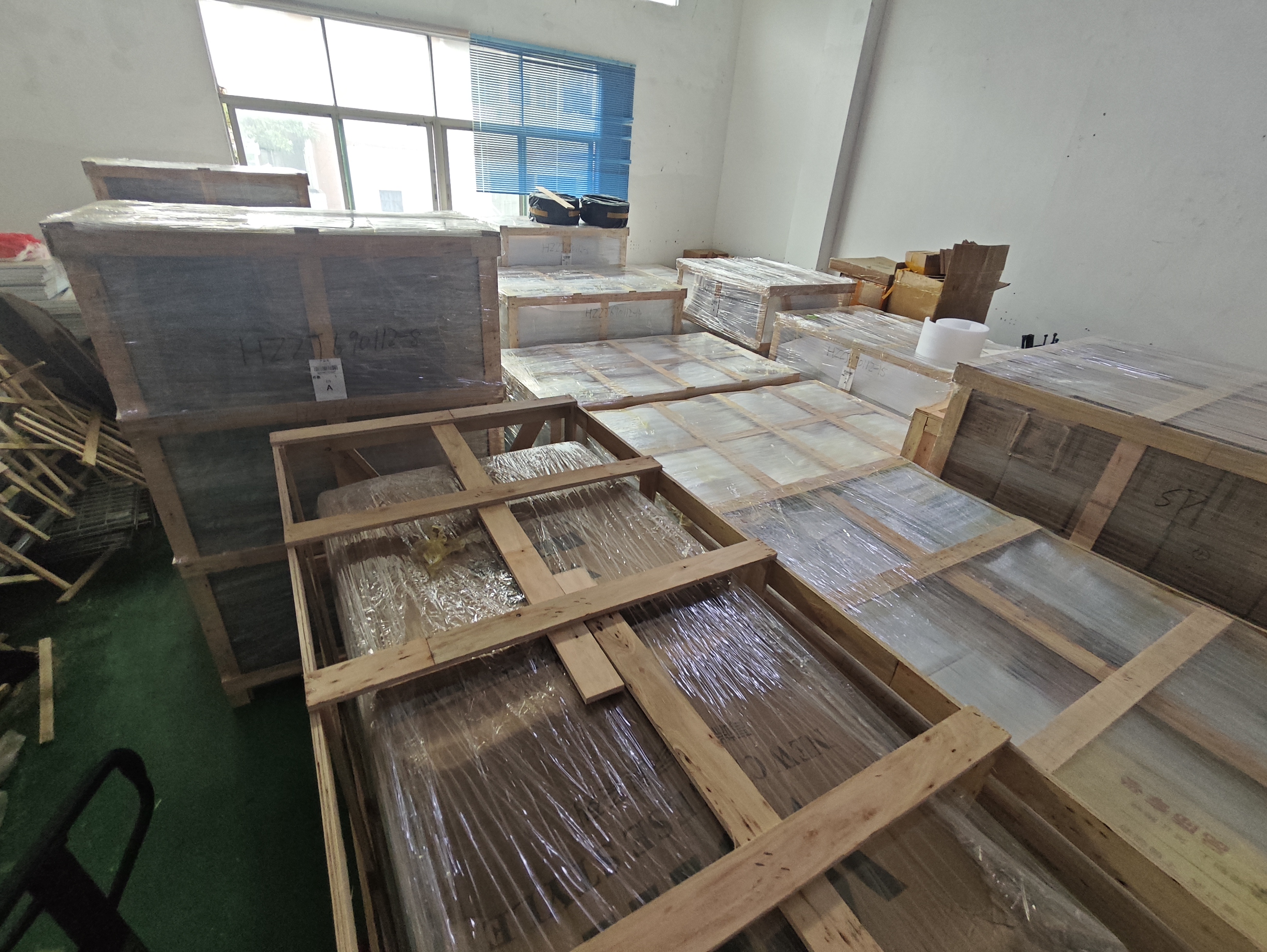
Proper packaging is essential to protect your household goods during transit. Use sturdy boxes, and for fragile items, add enough padding, such as bubble wrap or foam. For example, if you're shipping glassware, wrap each item individually and then place them in a box with additional cushioning material on the sides. I had a client who shipped fragile porcelain figurines. They didn't package them well, and a large number of the figurines arrived broken.
2. Labeling
Labels should clearly indicate the contents of the package, the destination address, and any handling instructions. This helps the logistics workers handle your goods correctly. For instance, if a package contains heavy items that need to be lifted with care, the label should say so.
V. Working with a Reliable Logistics Provider
1. Research and Selection
When choosing a logistics provider, do your research. Look for a company with experience in shipping household goods from China to Canada. Check their reviews and reputation in the industry. A reliable provider will have in - depth knowledge of the new 2026 regulations and can help you navigate them smoothly.
2. Communication
Good communication with your logistics provider is key. Make sure you can easily reach them and that they keep you updated on the status of your shipment. For example, email is a common way to communicate, but in case of emergencies, a phone number should also be available. I've seen situations where poor communication led to misunderstandings and delays.
VI. FAQ
What's the most common reason for delays in shipping household goods from China to Canada in 2026? Well, one of the most common reasons is incorrect or incomplete documentation. As I mentioned, the new regulations in 2026 require very accurate information in the eManifest and other customs documents. If there are errors in HS codes, descriptions, or values, it can cause significant delays at the Canadian border. Another reason could be congestion at the ports, especially during peak shipping seasons.Can I ship all types of household goods from China to Canada? Not all household goods can be shipped. There are some restricted and prohibited items. For example, certain types of chemicals, weapons, and some endangered species products are prohibited. If you're shipping food items, they need to comply with the CFIA regulations. It's best to check with your logistics provider or the Canadian authorities to know exactly what you can and can't ship.
How much does it cost to ship household goods from China to Canada? The cost depends on several factors, such as the shipping method (air or sea), the volume and weight of the goods, the distance, and the nature of the items. Generally, air freight is more expensive, while sea freight is more cost - effective for large volumes. You can get quotes from different logistics providers to compare.
What should I do if my shipment is held up at the Canadian border? First, contact your logistics provider immediately. They have the expertise to handle such situations. They'll check the reason for the hold - up, which could be due to documentation issues or random inspections. They can then work on resolving the problem, such as submitting corrected documents or providing additional information to the Canadian authorities.
Is it better to use LCL or FCL for shipping household goods? It depends on the quantity of your goods. If you have a small amount of goods that don't fill a whole container, LCL can save you money. But it may take longer. If you have enough goods to fill a container, FCL is a better option as it offers more security and a more predictable transit time.
In summary, shipping household goods from China to Canada in 2026 can be a smooth process if you understand the new regulations, choose the right shipping method, pack and label your goods properly, and work with a reliable logistics provider. Keep these tips in mind to avoid the common pitfalls and ensure a successful shipment.
