

I. Introduction
Hey there, Australian small business owners, importers, and e - commerce sellers! In 2026, China to Canada container shipping has become a hot topic, but it's also full of challenges and opportunities. I've been in the cross - border logistics field for years, dealing with all sorts of situations. Let me share some valuable insights based on my hands - on experience.
II. The Current Situation of China - Canada Container Shipping in 2026
In 2026, there are some significant policy changes in China - Canada container shipping. The Canadian Border Services Agency (CBSA) has tightened customs inspections to ensure compliance with safety and environmental regulations. For example, the eManifest system has been further optimized, requiring more detailed and accurate information about the goods in advance. This means shippers need to be more careful when filling out documents.
One of my clients, a 3C electronics seller in Vancouver, once faced a delay because the eManifest information was not accurate. The goods were held at the Port of Vancouver for roughly 14 days until all the details were corrected. This shows how important it is to understand and follow the new policies.
III. Advantages and Disadvantages of China - Canada Container Shipping
1. Advantages
Cost - effectiveness: Container shipping is generally more cost - effective for large - volume shipments. For home goods sellers, shipping a large quantity of products in containers can significantly reduce the per - unit shipping cost. For instance, if you're shipping a container full of furniture from China to Toronto, the overall cost per piece of furniture is much lower compared to other shipping methods.Capacity: Containers come in different sizes, such as 20GP, 40GP, and 40HQ, which can accommodate a wide range of goods. Whether you're an apparel importer or a trade factory shipping large - scale products, there's a suitable container size for you.
2. Disadvantages
Longer Transit Time: Container shipping usually takes longer than air freight. The transit time from China to major Canadian ports like the Port of Montreal can be anywhere from 25 to 35 days. This can be a problem for e - commerce sellers who need to restock their inventory quickly.Higher Risk of Delays: There are many factors that can cause delays in container shipping, such as bad weather, port congestion, and labor strikes. For example, during the peak shipping season, the Port of Vancouver often experiences congestion, which can add several days to the transit time.
IV. Choosing a Suitable Logistics Service Provider
1. Experience and Reputation
Look for a logistics provider with a good track record in China - Canada container shipping. A company with years of experience is more likely to handle unexpected situations smoothly. Take [Shengda International Logistics] for example. It's a well - known player in the industry, having served thousands of clients in China - Canada cross - border logistics. Their 40 - member professional team, with over 10 years of international shipping experience, is a strong guarantee of reliable service.
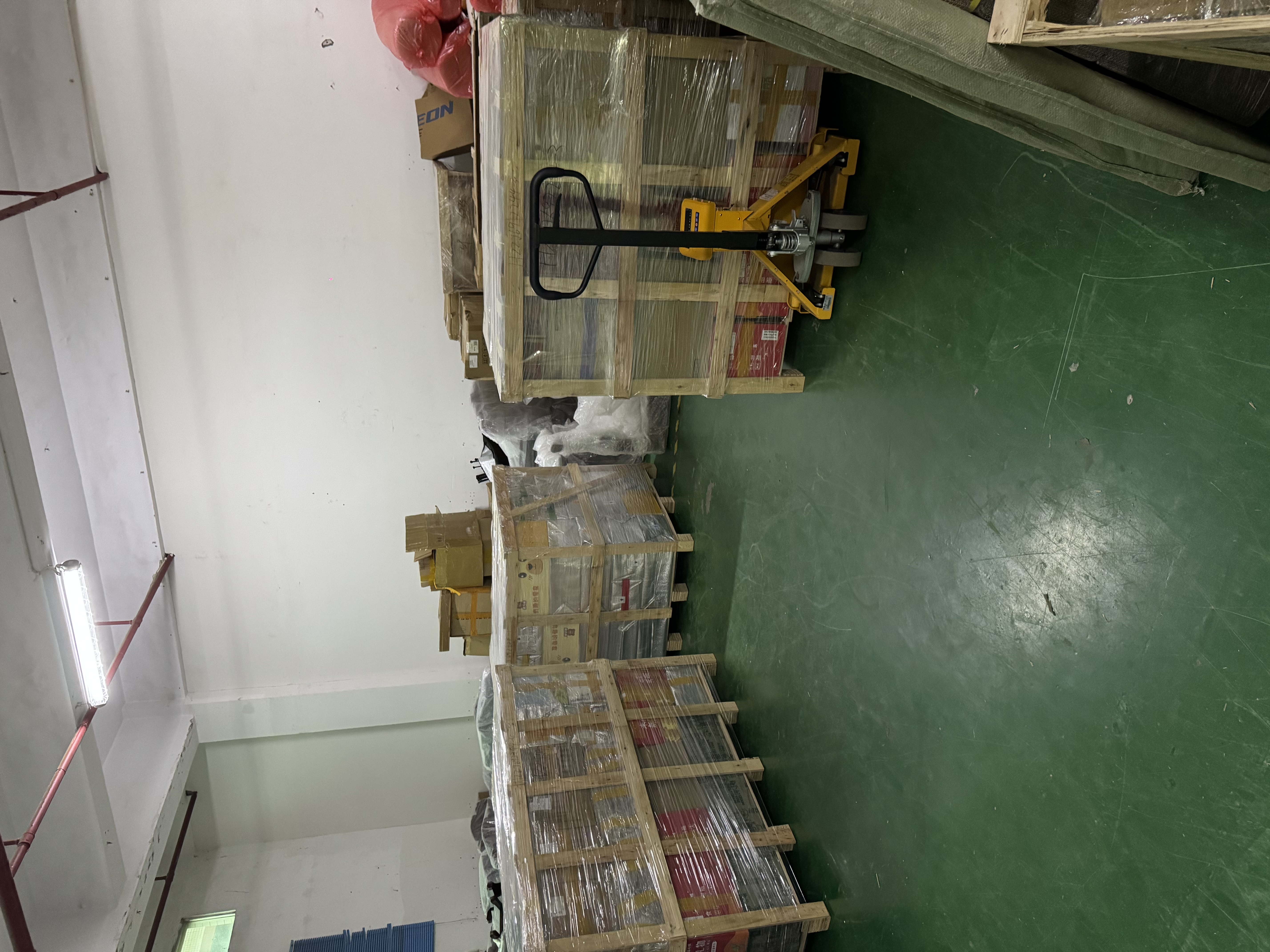
2. Service Scope
A comprehensive service scope is crucial. The provider should offer services such as container booking, loading, customs clearance, and delivery. [Shengda International Logistics] provides a one - stop service for container shipping from China to Canada, including 20GP/40GP/40HQ container reservation, on - site loading arrangement, customs declaration, ocean freight transportation, customs clearance in Canada, and final door - to - door delivery.
3. Pricing Transparency
Avoid providers with hidden fees. A good logistics company should have a clear and transparent pricing policy. [Shengda International Logistics] adopts an all - inclusive pricing model. All costs, including freight, customs clearance fees, taxes, and delivery fees, are clearly stated on the quote, so you won't face any unexpected charges.
V. Case Studies
1. 3C Electronics Seller in Vancouver
Specific Scenario: A 3C electronics seller in Vancouver regularly imports smartphones and laptops from China. They used to choose a traditional freight forwarder but often faced delays and non - transparent fees.Problem Encountered: The goods were sometimes held at customs due to improper documentation. And the shipping costs were not clearly explained, resulting in higher - than - expected expenses.
Final Outcome: After switching to [Shengda International Logistics], the seller saw significant improvements. [Shengda] helped them complete the eManifest accurately and provided a transparent pricing plan. The transit time became more stable, and the overall cost was reduced by about 15%.
2. Apparel Importer in Toronto
Specific Scenario: An apparel importer in Toronto imports clothing from Chinese factories in large quantities. They needed a reliable logistics solution to ensure timely delivery to their stores.Problem Encountered: Their previous logistics provider had a high rate of damaged goods during transit, and the delivery time was unpredictable, which affected their store operations.
Final Outcome: [Shengda International Logistics] provided a customized packaging and shipping plan. They used high - quality packaging materials to protect the clothing and optimized the shipping route. As a result, the rate of damaged goods dropped to less than 1%, and the delivery time became more consistent.
VI. FAQ
What are the main documents required for China - Canada container shipping in 2026? Well, you'll mainly need a commercial invoice, a bill of lading, a packing list, and an eManifest. The eManifest is particularly important as the CBSA requires accurate and timely submission of it. Make sure all the information on these documents is correct to avoid customs issues.
How can I reduce the risk of delays in container shipping? First, choose a reliable logistics provider like [Shengda International Logistics]. They have experience in dealing with various situations and can anticipate potential problems. Second, plan your shipping schedule in advance, especially during peak seasons. Also, ensure accurate documentation to prevent customs holds.
Is insurance necessary for container shipping? It's highly recommended. Container shipping involves many uncertainties, such as bad weather, accidents, or theft. Insurance can protect you from financial losses in case of damage or loss of your goods. [Shengda International Logistics] can help you arrange suitable insurance for your shipment.
What if my goods are held at customs? Don't panic. If you've used a professional logistics provider, they'll usually handle the situation. They'll work with customs to resolve the issues, such as providing additional documentation or clarifying information. For example, if it's a problem with the HS code classification, they'll correct it and get the goods released as soon as possible.
How do I choose the right container size for my shipment? Consider the quantity and volume of your goods. If you're shipping a small - to - medium - sized load, a 20GP might be sufficient. For larger volumes, a 40GP or 40HQ would be better. [Shengda International Logistics] can also offer guidance based on their experience and the specific requirements of your goods.
When you're exploring China - Canada container shipping in 2026, keep these points in mind. The logistics landscape is always changing, so stay informed and choose the best solutions for your business.
