

I. Introduction
Hey there, Australian small business owners, importers, and e - commerce sellers! Moving household goods from China to Australia in 2026? It's no walk in the park. I've been in the cross - border logistics frontline for years, and I've seen a lot of folks hit roadblocks. Back in 2024, I had a client who was an apparel importer in Sydney. He tried to ship a large batch of clothing from China without understanding the new regulations. The result? His goods got held up at the Port of Melbourne for weeks, leading to a massive loss in sales. So, let's dive into what you need to know to avoid such disasters.
II. 2026 Policy Updates
The Australian Border Force (ABF) and the Department of Agriculture, Fisheries and Forestry (DAFF) have tightened the regulations in 2026. One of the major changes is in the biosecurity area. More goods are now under strict inspection to prevent the entry of pests and diseases. For instance, wooden furniture must undergo proper fumigation and have the necessary certificates. If not, it'll be either sent back or treated at the importer's expense.
Another important update is related to customs valuation. The ABF has become more vigilant about the declared value of the goods. They're using advanced data analytics to cross - check the prices against market rates. Incorrectly declaring the value can lead to hefty fines and delays.
III. Shipping Channels and Modalities
Air Freight Advantages: It's fast, with an average transit time of about 7 - 12 days. This is great for small and urgent shipments, like high - end electronics or fashion samples. Tracking is also more reliable, and you can have real - time updates on your goods.Limitations: It's expensive. The cost per kilogram can be 3 - 5 times higher than sea freight. Also, there are weight and size restrictions. You can't ship large or heavy household goods via air freight economically.
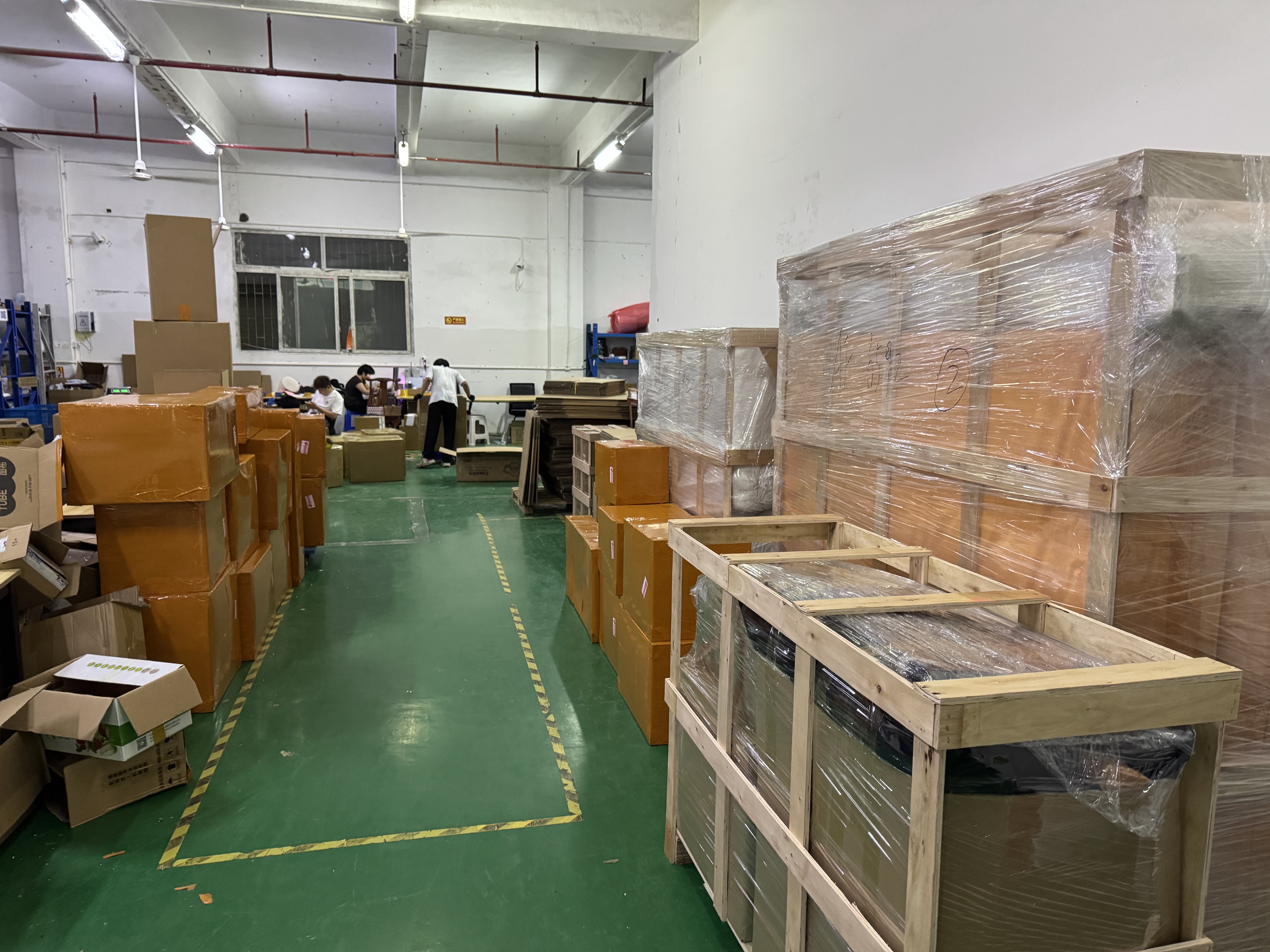
Sea Freight Full Container Load (FCL): If you have a large quantity of goods, FCL is a good option. For example, a home goods seller in Brisbane who needs to ship a large lot of furniture from a factory in China. You have exclusive use of the container, which means better security for your goods. The transit time is longer, roughly 20 - 30 days, but it's much more cost - effective for large volumes.
Less than Container Load (LCL): Ideal for smaller shipments. You share the container with other shippers, which reduces the cost. However, the handling process is more complex, and there's a higher risk of damage or loss as the goods are moved around more frequently. The transit time can vary depending on when the container is filled and dispatched, usually around 25 - 35 days.
IV. Detailed Shipping Process (40% of the Article)
Pre - shipment Preparations Documentation: You need to prepare a set of documents. First is the commercial invoice, which includes details about the goods, such as the description, quantity, and value. The packing list lists all the items in each package. You also need a bill of lading, which serves as a contract between you, the shipper, and the carrier. If you're shipping wooden goods, make sure to have the fumigation certificate.Packaging: Proper packaging is crucial. For fragile items like glassware or electronics, use multiple layers of padding. For furniture, it's advisable to use custom - made wooden crates. This not only protects the goods during transit but also meets the Australian biosecurity requirements in some cases.
Customs Clearance in China The goods need to go through customs clearance in China. You can either handle it yourself if you have the expertise or hire a customs broker. The broker will ensure that all the necessary documents are in order and that the goods are declared correctly. They'll also pay the relevant duties and taxes on your behalf.
Shipping and Transit Once the goods are cleared in China, they're loaded onto the ship or plane. During transit, you can track the shipment using the bill of lading number. However, there may be delays due to various factors such as bad weather, port congestion, or mechanical issues with the carrier. For example, I once had a shipment from a trade factory in Guangdong to Sydney that got delayed by almost a week because of a typhoon in the South China Sea.
Customs Clearance in Australia Upon arrival in Australia, the goods will be inspected by the ABF and DAFF. They'll check the documents, the value of the goods, and the biosecurity status. If everything is in order, the goods will be released. But if there are any issues, such as incorrect documentation or a biosecurity problem, the goods may be held up. You may need to provide additional information or have the goods re - packaged or treated.
Delivery After customs clearance, the goods are ready for delivery. You can choose door - to - door delivery service if you want the carrier to handle the entire process from the factory in China to your warehouse in Australia. However, make sure to check the additional charges for this service.
V. Cost Considerations
Shipping costs are composed of several elements. The freight charge is the most obvious one, which depends on the shipping mode, volume, and distance. For example, a 20 - foot container from Shanghai to Melbourne via sea freight can cost around $2,500 - $3,500, while air freight for a 10 - kilogram shipment can be about $300 - $500. Customs duties and taxes are also important. The amount depends on the type of goods and their value. You can use the Australian customs tariff calculator to estimate these costs. Additionally, there may be handling fees at the ports, storage fees if the goods are held up, and delivery fees.
VI. Choosing a Reliable Logistics Partner
In 2026, you need a logistics partner who understands the new regulations. I recommend checking their experience in the China - Australia route. Look for a company that can provide a transparent pricing structure and has a good track record in handling shipments. For example, Shengda International Logistics is a great choice. They have a team of experts who are well - versed in the 2026 regulations. They offer a full - range of services from packaging to delivery. They also have a real - time tracking system, so you can keep an eye on your goods at all times.
VII. FAQ
What happens if my goods are held up at customs in Australia? Well, it depends on the reason. If it's a documentation issue, you'll need to provide the correct documents as soon as possible. If it's a biosecurity problem, the goods may need to be treated or re - packaged. It can cause delays, and you may have to pay additional storage fees at the port.Can I ship food items from China to Australia? Yes, but it's a bit tricky. You need to follow the strict biosecurity regulations. Some food items may be restricted or prohibited. It's best to check with the DAFF in advance and use a logistics partner who has experience in shipping food items. For example, Shengda International Logistics has a dedicated sensitive goods compliance service for shipping food items and other regulated goods.
How can I reduce the shipping cost? You can choose sea freight over air freight if time is not a critical factor. Combining multiple small shipments into a larger one can also help. You can also negotiate with your logistics provider for better rates, especially if you're a regular customer.
What if my goods are damaged during transit? A reliable logistics partner should have a proper insurance and claims process. For example, Shengda International Logistics has a standard理赔 mechanism for damaged or lost goods. Make sure to document the damage as soon as possible and contact your logistics provider to start the claims process.
Do I need to hire a customs broker? It's not mandatory, but it's highly recommended, especially in 2026 with the new regulations. A customs broker has the expertise to handle the complex customs procedures, ensuring that your goods are cleared smoothly and avoiding potential fines and delays.
