

As a seasoned player in the cross - border logistics field, I've witnessed numerous policy changes and their effects on different shipping scenarios. One question that's been popping up a lot lately from Australian small business owners, importers, and e - commerce sellers is whether the 2026 policy will have an impact on shipping used furniture to Canada via seaborne freight. Let me break it down for you.
I. The 2026 Policy Landscape
The 2026 policy changes are part of a broader effort by the Canadian Border Services Agency (CBSA) to streamline customs processes, enhance security, and ensure compliance with environmental and health regulations. One of the key areas of focus is the import of used goods, including furniture.
I remember back in 2024, a client who was shipping a container of used office furniture to Toronto. At that time, there were already some strict regulations regarding pests and contaminants. With the 2026 policy, these regulations are expected to be even more stringent. For instance, the CBSA may require more detailed documentation about the origin, age, and condition of the used furniture.
II. Impact on Shipping Used Furniture
1. Documentation Requirements
Pre - 2026, you could get away with a basic bill of lading, commercial invoice, and a simple certificate of origin. However, starting from 2026, you'll likely need additional documents such as a pest inspection certificate. This certificate verifies that the furniture has been inspected and is free from pests like termites, which could pose a threat to Canada's native ecosystem.
I once had a shipment of used wooden dining sets that got held up at the Port of Vancouver because the pest inspection certificate was missing. The client had to scramble to get it sorted, which caused a delay of roughly 14 days. With the 2026 policy, such documents will be non - negotiable.
2. Inspection Procedures
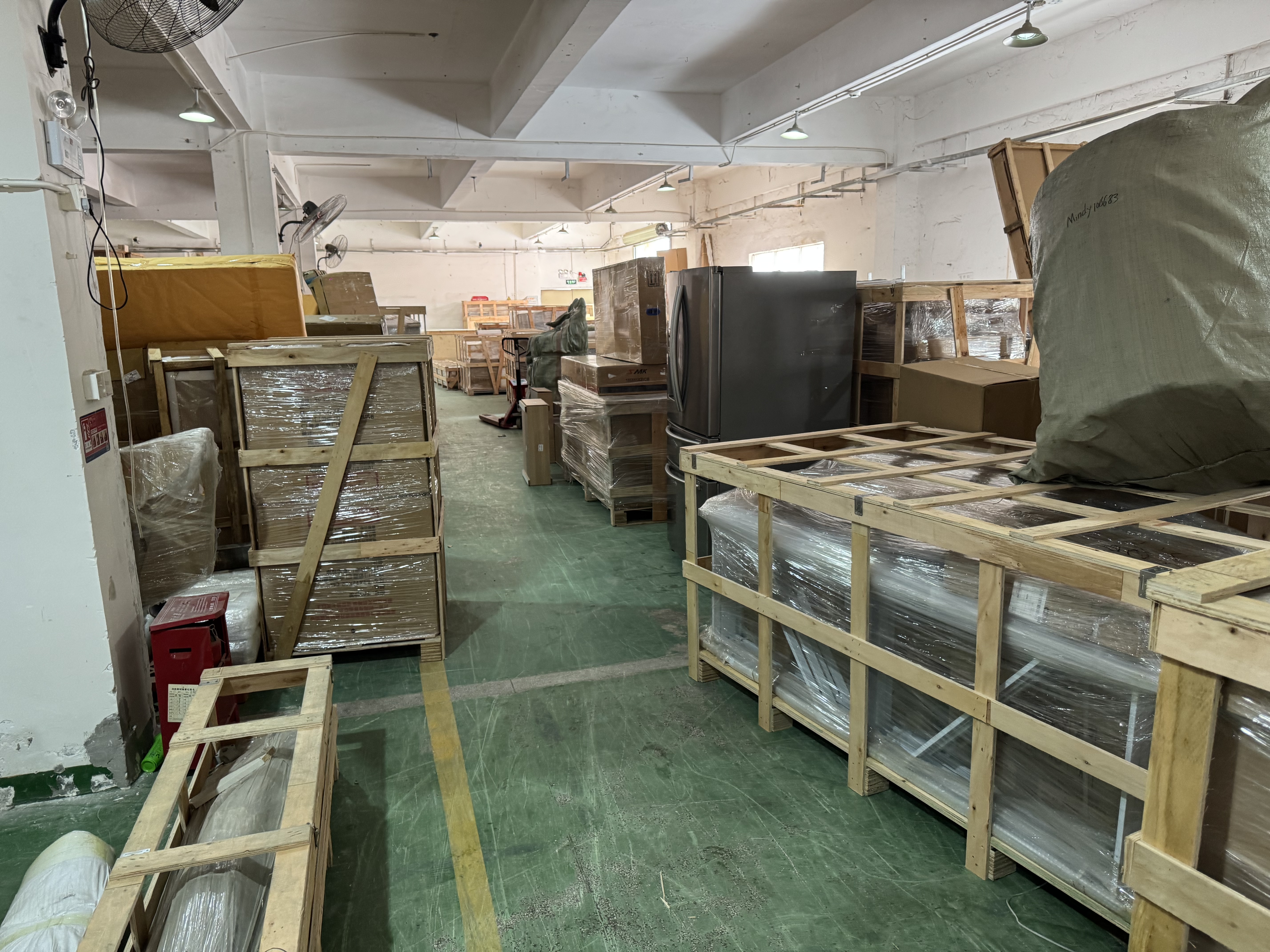
The 2026 policy will also lead to more thorough inspections of used furniture. In the past, inspections were often random, but now, a higher percentage (it's estimated to be around 30%, up from 15% previously) of shipments will be subject to detailed physical checks.
The CBSA will be looking for signs of damage, mold, or any other issues that could affect the safety or environmental compliance of the furniture. This means that shipments might take longer to clear customs, potentially adding to the overall shipping time.
3. Tariffs and Duties
There's a possibility that the 2026 policy could adjust the tariff and duty rates for used furniture imports. Currently, the rates vary depending on the type of wood and the value of the furniture. With the new policy, there may be additional fees related to environmental protection or health and safety measures.
For example, if the used furniture is made from a type of wood that is considered endangered or at risk of carrying pests, higher duties may be imposed. This could increase the cost of importing used furniture to Canada.
III. Strategies for Smooth Shipping
1. Pre - Shipment Preparation
Before shipping your used furniture, make sure it's thoroughly cleaned and inspected. Look for any signs of pests, mold, or damage. If necessary, treat the furniture with approved pesticides. Also, gather all the required documentation well in advance, including the pest inspection certificate and a detailed inventory of the furniture.
2. Choose the Right Logistics Partner
A reliable logistics provider can make all the difference. Companies like [盛达国际物流] have in - depth knowledge of the new 2026 policy and can help you navigate the complex customs procedures. They offer services such as custom - clearance assistance, packing and labeling, and cargo insurance.
3. Plan Ahead
Given the increased inspection times and potential for higher costs, it's crucial to plan your shipments well in advance. This will give you enough time to address any issues that may arise during the shipping process and ensure that your furniture arrives in Canada on time.
IV. FAQ
1. Do I need to fumigate my used furniture before shipping it to Canada in 2026?
It depends on the type of wood and the origin of the furniture. If the furniture is made from a type of wood that's known to carry pests or if it's coming from an area with a high pest risk, fumigation may be required. Your logistics provider can advise you on the specific requirements.
2. How much will the new tariff and duty rates increase for used furniture in 2026?
There's no exact figure yet as the policy is still being finalized. However, it's estimated that the rates could increase by around 10 - 15% depending on the type of furniture and its environmental impact.
3. Can I still ship used furniture made from antique wood?
Yes, but you'll need to provide additional documentation to prove the age and origin of the wood. The CBSA will also conduct a more detailed inspection to ensure that the furniture complies with environmental regulations.
4. How long will it take for my used furniture to clear customs in 2026?
On average, it could take anywhere from 5 - 10 business days longer than before. This is due to the more thorough inspections and additional documentation requirements.
5. What if my used furniture gets rejected at the Canadian border because of non - compliance with the 2026 policy?
You'll have a few options. You can choose to have the furniture shipped back to the origin, have it treated at a facility in Canada to meet the requirements, or dispose of it. Your logistics provider can help you explore the best course of action.
Shipping used furniture to Canada via seaborne freight in 2026 will require more preparation and attention to detail. But with the right strategies and a reliable logistics partner, you can still make the process smooth and successful. Keep an eye on the official CBSA announcements for the latest policy details and stay ahead of the game.
