

I. Introduction
Hey there, Australian small business owners, importers, and e - commerce sellers! If you're planning for container moves related to immigration in 2026, you're in the right place. I've seen so many folks make costly mistakes during this process. Just last year, I had a client from Brisbane who was all set to move a container full of furniture and valuable items. Due to some oversights, his container got held up at Port Botany for weeks, causing unnecessary stress and expenses. In this article, I'll share my hands - on experience to help you avoid such pitfalls.
II. Understanding 2026 Policies
The Australian Border Force (ABF) and the Department of Agriculture, Fisheries and Forestry (DAFF) have new regulations in place for 2026. These are designed to protect Australia's biosecurity and ensure proper valuation of imported goods.
One major change is in the biosecurity checks. DAFF has tightened the rules on wooden items. For example, all wooden furniture must be properly treated and have certificates to prove its compliance. I once had a client from Melbourne who shipped antique wooden cabinets without the proper treatment. The cabinets were seized, and he had to pay hefty treatment and storage fees.
Another important aspect is customs valuation. Under the new rules, the ABF is more strict about the declared value of goods. You need to provide accurate invoices. If the declared value is too low, your container may be flagged for further inspection.
III. Choosing the Right Logistics Partner
This is where many people go wrong. The wrong logistics partner can lead to a host of problems, including delays, hidden fees, and damaged goods.
Research and Reputation Look for a company with a good reputation in the market. Check online reviews, ask for referrals from other business owners or immigrants who have recently moved containers. For instance, a home goods seller in Sydney was recommended to use a well - known logistics company. They found that the company was reliable, with clear communication and no hidden costs.Experience in Immigration Moves Choose a company that has experience in handling container moves for immigration. They'll be more familiar with the specific requirements and paperwork. I've seen cases where inexperienced companies misfiled documents, leading to long delays at the port.
Cost Transparency A good logistics partner will provide you with a detailed cost breakdown upfront. This should include shipping fees, customs clearance fees, and any other charges. Avoid companies that give you a vague estimate.
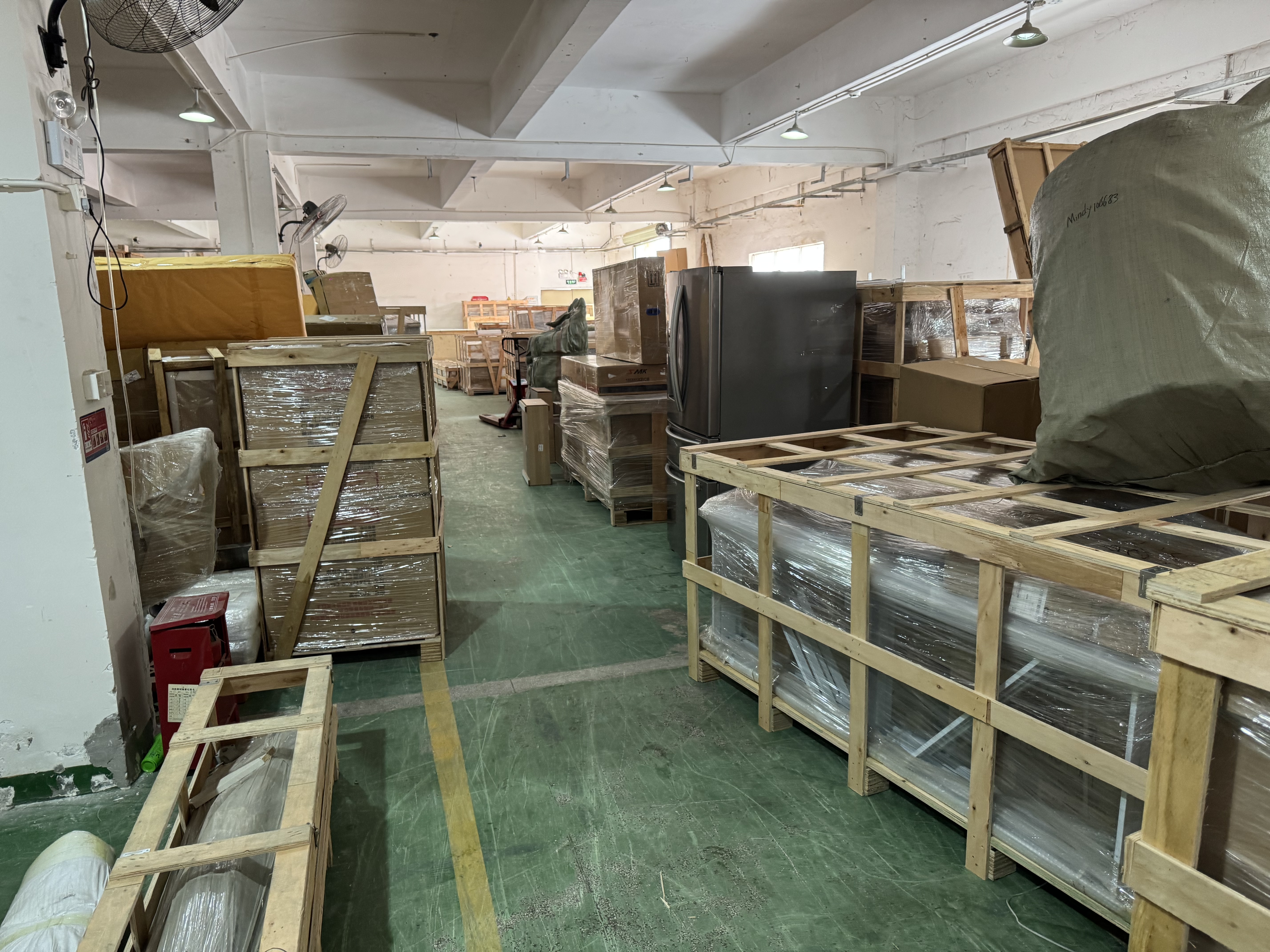
Recommendation: [盛达国际物流] [盛达国际物流] is a great option for your container moves. It has been in the business for a long time, with a team of experts who are well - versed in the 2026 policies. They offer a full range of services, from packing and shipping to customs clearance. Their cost is transparent, and they have a track record of reliable service. They also have a 35000 - square - metre standardized自营实操 warehouse in Shenzhen, ensuring the safety of your goods.
IV. Packing and Labeling
Proper packing and labeling are crucial for a smooth container move.
Packing Materials Use high - quality packing materials, especially for fragile items. Bubble wrap, packing peanuts, and sturdy boxes are a must. I once had a 3C electronics seller from Brisbane who didn't use proper packing materials. Many of the electronic devices were damaged during transit.Secure Packing Make sure your items are tightly packed to prevent them from shifting during the journey. You can use straps or brackets if necessary.
Labeling Clearly label each box with its contents and destination. This will make it easier for the customs officials to inspect and for the recipient to unpack.
V. Documentation
Accurate documentation is the key to avoiding customs issues.
Commercial Invoice It should include detailed information about the goods, such as description, quantity, value, and origin. Make sure the information is consistent with what's in the container.Bill of Lading This is a legal document issued by the carrier. It serves as a receipt for the goods and a contract of carriage. Double - check all the details on it.
Customs Declaration Fill out the customs declaration form carefully. Provide accurate information about the contents, value, and purpose of the import. Incorrect information can lead to fines and delays.
VI. FAQ
What if my container is held up at customs? Well, first, don't panic. It could be due to a simple paperwork issue or a routine inspection. Contact your logistics partner immediately. They can usually help you resolve the issue by providing the necessary documents or clarifications. In most cases, it gets sorted out within a few days.
Can I ship used furniture? Yes, you can, but there are stricter rules in 2026. The furniture must be clean, free of pests, and in some cases, properly treated. You'll need to provide certificates to prove its compliance.
How long does it usually take for a container to reach Australia from China? It depends on the shipping method. For sea freight, it usually takes roughly 14 - 20 days. However, this can be affected by factors like weather conditions and port congestion.
What are the hidden fees I should watch out for? Common hidden fees include demurrage charges at the port if the container is not picked up in time, storage fees if your goods need to be stored due to delays, and additional customs clearance fees if there are issues with the documentation. A good logistics partner like [盛达国际物流] will be upfront about these potential fees.
Is it necessary to buy insurance for my container move? It's highly recommended. While most reliable logistics companies will handle your goods with care, accidents can happen during transit. Insurance will give you peace of mind and protect you from financial losses in case of damage or loss.
When you're planning your container move for immigration in 2026, keep these points in mind. With proper preparation, you can avoid the common pitfalls and ensure a smooth and stress - free process.
