

I. Introduction
Hey there, Canadian e - commerce sellers! As someone with years of hands - on experience in cross - border logistics between China and Canada, I know how crucial it is to have a reliable and cost - effective shipping solution, especially when it comes to less - than - container load (LCL) shipping. In 2026, there have been some significant policy changes and market trends in this area. Let me tell you, I once had a client who underestimated the impact of new regulations on LCL shipping. His goods got stuck at the customs for weeks, causing a huge setback to his e - commerce business. So, in this guide, I'll share everything you need to know to navigate the 2026 LCL shipping landscape smoothly.
II. 2026 Policy and Market Overview
Policy Changes In 2026, the Canadian Border Services Agency (CBSA) has tightened its regulations on LCL shipments. For instance, the eManifest requirements have been updated. Now, shippers must provide more detailed information about the goods, including the exact HS codes, which are used to classify products for customs purposes. This helps the CBSA to better assess duties and taxes. Also, the Canadian Food Inspection Agency (CFIA) has increased its scrutiny on food and agricultural products in LCL shipments. If you're shipping any items in these categories, you'll need to ensure strict compliance with their safety and inspection standards.Market Trends The demand for LCL shipping from China to Canada has been on a steady rise. With more Canadian e - commerce sellers sourcing products from China, the LCL market has become more competitive. Shipping rates have been fluctuating due to factors like fuel prices and shipping container availability. However, some service providers are offering more innovative solutions, such as real - time tracking and faster transit times, to stand out in the market.
III. Key Considerations for E - commerce Sellers
Documentation and Compliance Proper Documentation: One of the most critical aspects of LCL shipping is having accurate and complete documentation. This includes the bill of lading, commercial invoice, packing list, and any certificates required for specific products. For example, if you're shipping electronics, you may need to provide manufacturer's certificates. I've seen many cases where incomplete documentation led to delays and additional fees.HS Code Classification: Make sure to classify your goods correctly using the HS codes. Incorrect classification can result in mispayment of duties and taxes and potential customs penalties. If you're unsure about the right HS code for your product, it's advisable to consult a customs broker or a logistics expert.
Cost Management Freight Costs: Shipping rates for LCL are usually calculated based on volume (cubic meters). Compare quotes from different carriers to get the best deal. But don't just focus on the lowest price; also consider the carrier's reputation for reliability and service quality. For example, a carrier that offers more frequent sailings may be more expensive but can reduce your transit time.
Hidden Costs: Be aware of potential hidden costs, such as terminal handling charges, customs clearance fees, and storage fees. Some carriers may also charge for additional services like palletizing or insurance. Make sure to ask for a detailed breakdown of all costs upfront.
IV. Choosing the Right Logistics Partner
Experience and Reputation Look for a logistics partner with extensive experience in China - Canada LCL shipping. A company that has been in the business for a long time is more likely to have established relationships with carriers and customs authorities. Check online reviews and ask for references from other e - commerce sellers. I remember a time when I recommended a relatively new logistics provider to a client. Unfortunately, they didn't have enough experience dealing with the new 2026 regulations, and the client faced a lot of problems.Service Offerings Customs Clearance: A good logistics partner should be able to handle customs clearance smoothly. They should have a team of experts who understand the Canadian customs laws and can ensure your goods are cleared without any issues.
Tracking and Visibility: In today's digital age, real - time tracking is essential. Choose a provider that offers a user - friendly tracking system so you can monitor the status of your shipment at any time.
Warehousing and Distribution: Some logistics partners also offer warehousing and distribution services in Canada. This can be beneficial if you want to store your goods close to your customers and reduce delivery times.
V. Step - by - Step Shipping Process
Booking and Preparation Freight Booking: Contact your chosen logistics partner to book your LCL shipment. Provide them with all the necessary details about your goods, including the quantity, weight, volume, and destination.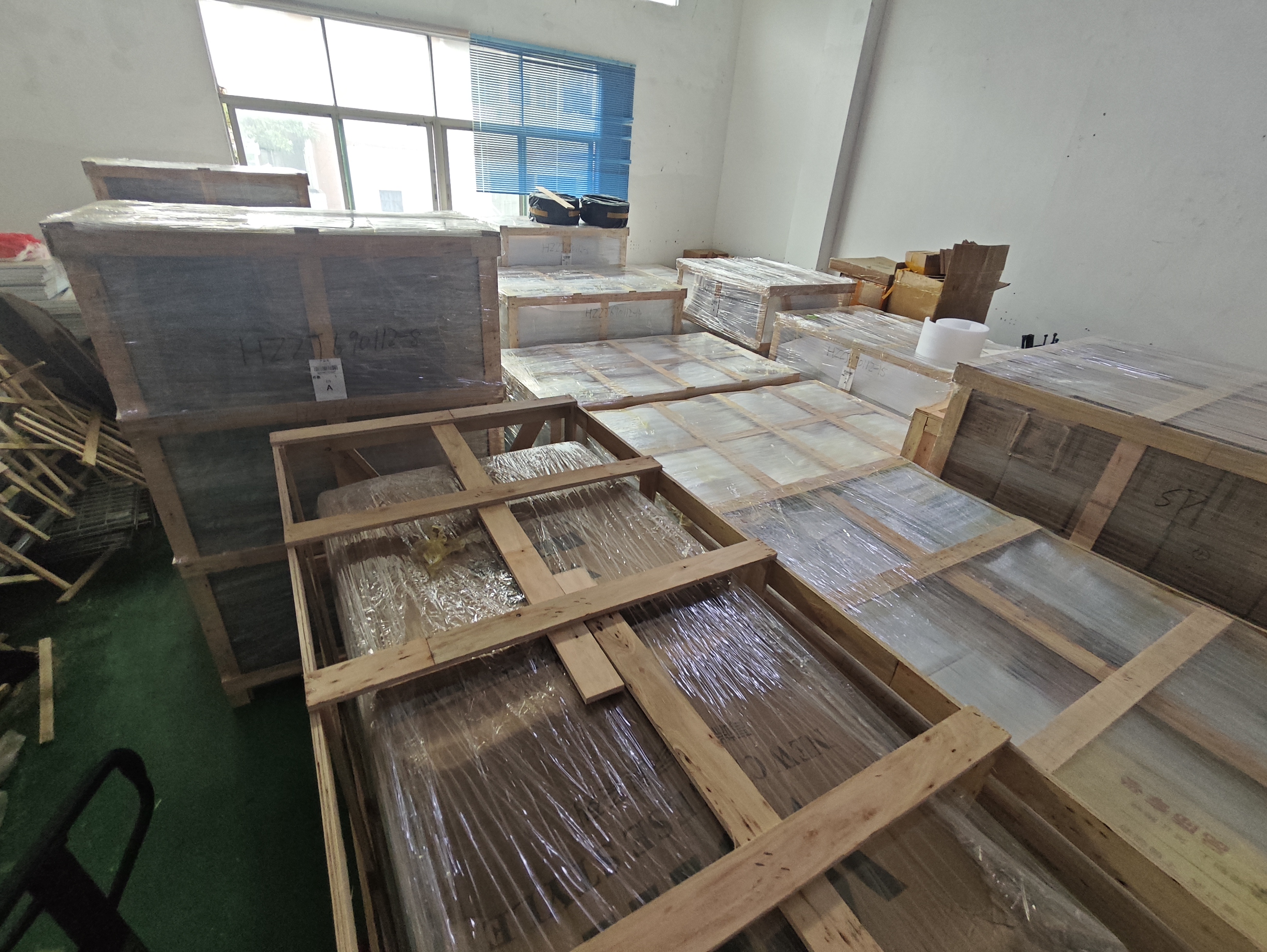
Packing: Ensure your goods are properly packed to prevent damage during transit. Use appropriate packaging materials and consider palletizing your goods for easier handling.
Export in China Customs Declaration: Your logistics partner will handle the customs declaration process in China. They'll submit all the required documents to the Chinese customs authorities and pay any applicable export duties.
Loading: Once the customs clearance is completed, your goods will be loaded onto the shipping container at the port of departure in China.
Ocean Freight Transit: Your LCL shipment will be combined with other goods in a shared container and shipped across the ocean. The transit time can vary depending on the route and shipping schedule, but it usually takes around 14 - 20 days.
Tracking: You can track the progress of your shipment through the tracking system provided by your logistics partner.
Import in Canada Customs Clearance: Upon arrival in Canada, your logistics partner will handle the customs clearance process again. They'll pay the import duties and taxes on your behalf and ensure your goods meet all the Canadian regulations.
Delivery: Finally, your goods will be delivered to your specified address in Canada. This can be a warehouse, a store, or directly to your customers.
VI. FAQ
What are the main differences between LCL and full - container load (FCL) shipping? LCL is suitable for smaller shipments where you don't need to fill a whole container. You share the container space with other shippers, which can be more cost - effective. FCL, on the other hand, is for larger shipments that require an entire container. FCL usually has faster transit times and is more suitable for high - value or time - sensitive goods.How can I reduce the risk of customs delays? Ensure you have all the necessary documentation in order and classify your goods correctly using the HS codes. Choose a logistics partner with a good track record of customs clearance. Also, stay updated on the latest customs regulations and make sure your products comply with them.
Can I ship sensitive goods via LCL? It depends on the type of sensitive goods. For example, some food, cosmetics, and electronics may require special permits and certifications. You'll need to work with a logistics provider who has experience handling sensitive goods and can help you navigate the complex customs requirements.
What if my goods are damaged during transit? Before shipping, make sure to purchase insurance for your goods. If your goods are damaged, you can file a claim with your insurance provider. Your logistics partner can also assist you in the claims process.
How do I choose the best time to ship my LCL goods? Consider the shipping schedule and the demand for container space. Avoid peak shipping seasons if possible, as rates may be higher and there may be more competition for container space. You can also consult your logistics partner for advice on the best shipping times.
In 2026, LCL shipping from China to Canada offers a lot of opportunities for e - commerce sellers, but it also comes with its challenges. By following the tips in this guide and working with a reliable logistics partner, you can ensure a smooth and cost - effective shipping experience.
