

I. Introduction
Moving your household to Canada in 2026 can be an exciting yet daunting task. As someone with years of hands - on experience in the cross - border logistics industry, I've seen many people face various challenges during international household moves. For instance, I had a client back in 2024 who was moving from China to Vancouver. They thought they had everything planned, but they faced unforeseen customs issues that caused significant delays. This is just one of the many real - life stories that highlight the importance of being well - informed before embarking on an international household move.
II. Regulatory Environment in 2026
1. New Customs Regulations
In 2026, the Canadian Border Services Agency (CBSA) has introduced some stricter regulations regarding the import of household goods. For example, there are new requirements for the documentation of used items. You must provide detailed lists of each item, including its age, value, and origin. If you don't comply, your goods might be held at the border. I once dealt with a consignment where the documentation was incomplete, and it took almost two weeks to sort out the issue, costing the client extra storage fees at the port.
2. Food and Plant Regulations
The Canadian Food Inspection Agency (CFIA) has also tightened the rules on bringing food and plants into the country. You can't bring fresh fruits, vegetables, or meats, as they pose a risk to the local ecosystem. Certain types of plants also require special permits. If you're not aware of these rules and try to bring in prohibited items, not only will they be confiscated, but you may also face fines.
III. Choosing the Right Shipping Method
1. Air Freight
Advantages: Air freight is the fastest option. If you're in a hurry or have high - value items like electronics or important documents, it's a good choice. The transit time for air freight from China to major Canadian cities like Toronto or Vancouver can be as short as 5 - 7 days.Disadvantages: It's also the most expensive option. It's not cost - effective for large and heavy items. For example, shipping a large piece of furniture via air freight can cost several times more than shipping it by sea.
2. Sea Freight
Full Container Load (FCL): If you have a large amount of household goods, FCL might be the best option. You'll have an entire container to yourself, which means your goods are less likely to be damaged during transit. The cost is calculated based on the container size (20GP, 40GP, or 40HQ). However, you need to have enough goods to fill the container, or you'll end up paying for unused space.Less than Container Load (LCL): This is suitable for those with a smaller amount of goods. You share the container with other shippers, which reduces the cost. But it also means a longer transit time as the container needs to be filled before it can be shipped, and there may be more handling involved, increasing the risk of damage.
IV. Packing and Preparation
1. Proper Packing Materials
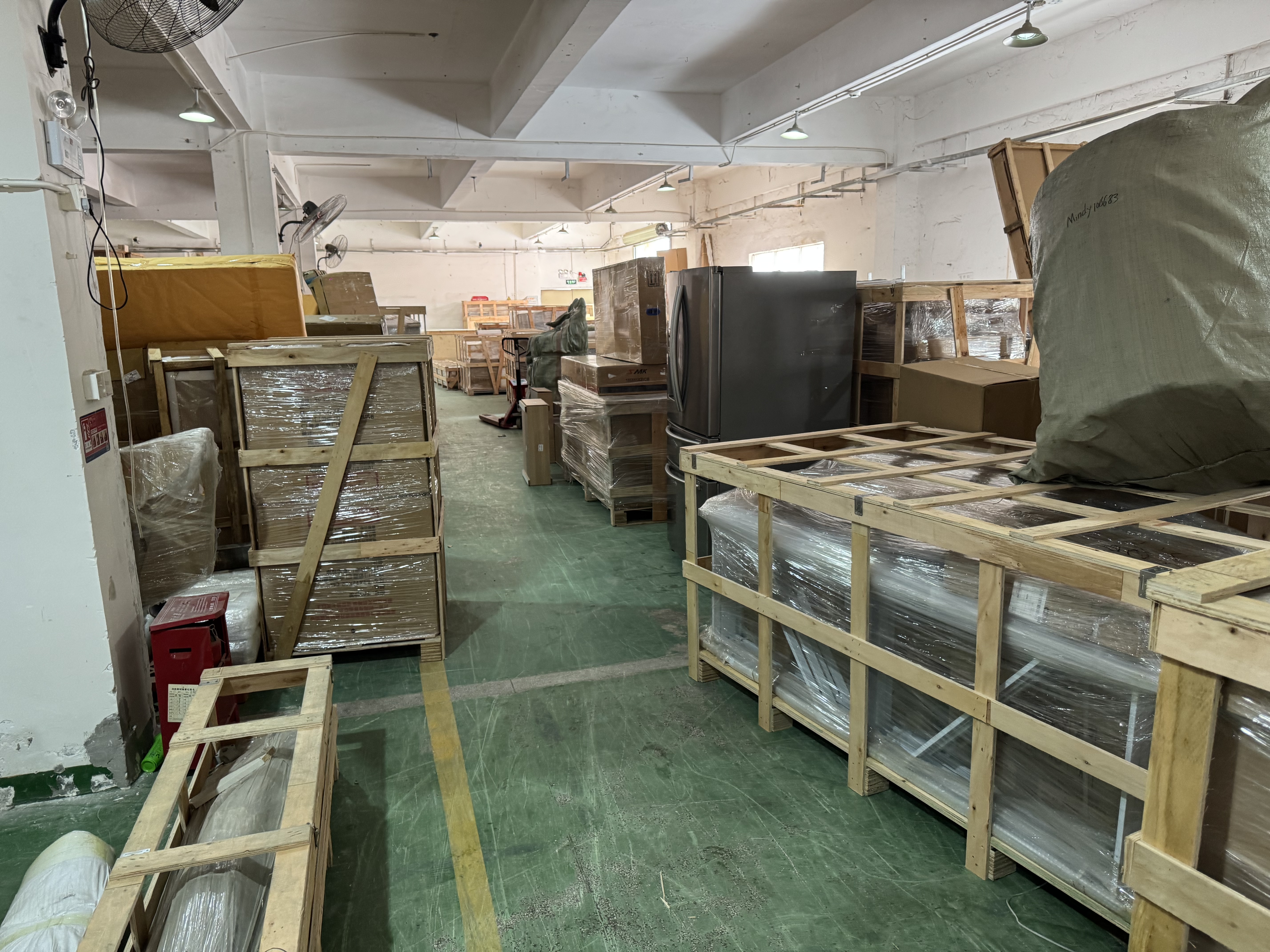
Using the right packing materials is crucial. For fragile items like glassware or electronics, use bubble wrap, foam, and sturdy boxes. I've seen too many cases where items were damaged because of poor packing. For example, a client once shipped a set of antique vases without proper cushioning, and they all arrived in pieces.
2. Labeling
Label each box clearly with its contents and the room it belongs in. This will make unpacking much easier when you arrive in Canada. You can also color - code the labels for different rooms.
V. Working with a Reliable Logistics Provider
1. How to Choose
When choosing a logistics provider, look for one with experience in international household moves to Canada. Check their reviews and ask for references. A good provider should have a solid understanding of the 2026 regulations and be able to handle all the paperwork for you. For instance, [Shengda International Logistics] is a great option. They have a team of experts with over 10 years of experience in international shipping. They offer a full range of services, including packing, shipping, and customs clearance.
2. Services Offered
A reliable provider should offer services such as door - to - door delivery, storage options if needed, and insurance for your goods. This will give you peace of mind during the move.
VI. FAQ
1. How long does it take to ship household goods from China to Canada by sea?
It usually takes around 20 - 35 days for sea freight, depending on the departure and arrival ports, as well as the shipping method (FCL or LCL). For example, shipping from Shanghai to the Port of Vancouver might take around 20 - 25 days if you're using FCL, but it could take up to 35 days if you're using LCL due to the additional waiting time for the container to be filled.
2. What documents do I need for customs clearance?
You'll need a detailed inventory list of all your household goods, a bill of lading or airway bill, a packing list, and a customs declaration form. Make sure all the information is accurate to avoid any delays at the border.
3. Is it necessary to purchase insurance for my household goods?
It's highly recommended. While most logistics providers take precautions to ensure the safety of your goods, accidents can happen during transit. Insurance will protect you financially in case of damage or loss. For example, if there's a rough sea crossing and some of your furniture gets damaged, insurance will cover the cost of repair or replacement.
4. Can I bring my pets along with my household goods?
Bringing pets requires additional documentation and compliance with Canadian animal import regulations. You'll need to provide a valid health certificate, vaccination records, and in some cases, a microchip. It's best to consult with a veterinarian and your logistics provider well in advance to ensure a smooth process.
5. What if I need to store my household goods in Canada temporarily?
Many logistics providers offer storage services. You can choose short - term or long - term storage options. Make sure to discuss the storage fees and conditions with your provider before making a decision. For example, [Shengda International Logistics] offers flexible storage solutions with reasonable rates.
