

I. Introduction
Hey there, Australian small business owners, importers, and e - commerce sellers! You might be eyeing the vast market of furniture from China for your Canadian business. But in 2026, the cross - border furniture shipping game has its own set of landmines. I've been in the cross - border logistics front lines for quite a while, and I've seen many make mistakes that could've been avoided. So let's steer clear of those pitfalls together.
II. Incorrect Packaging and Protection
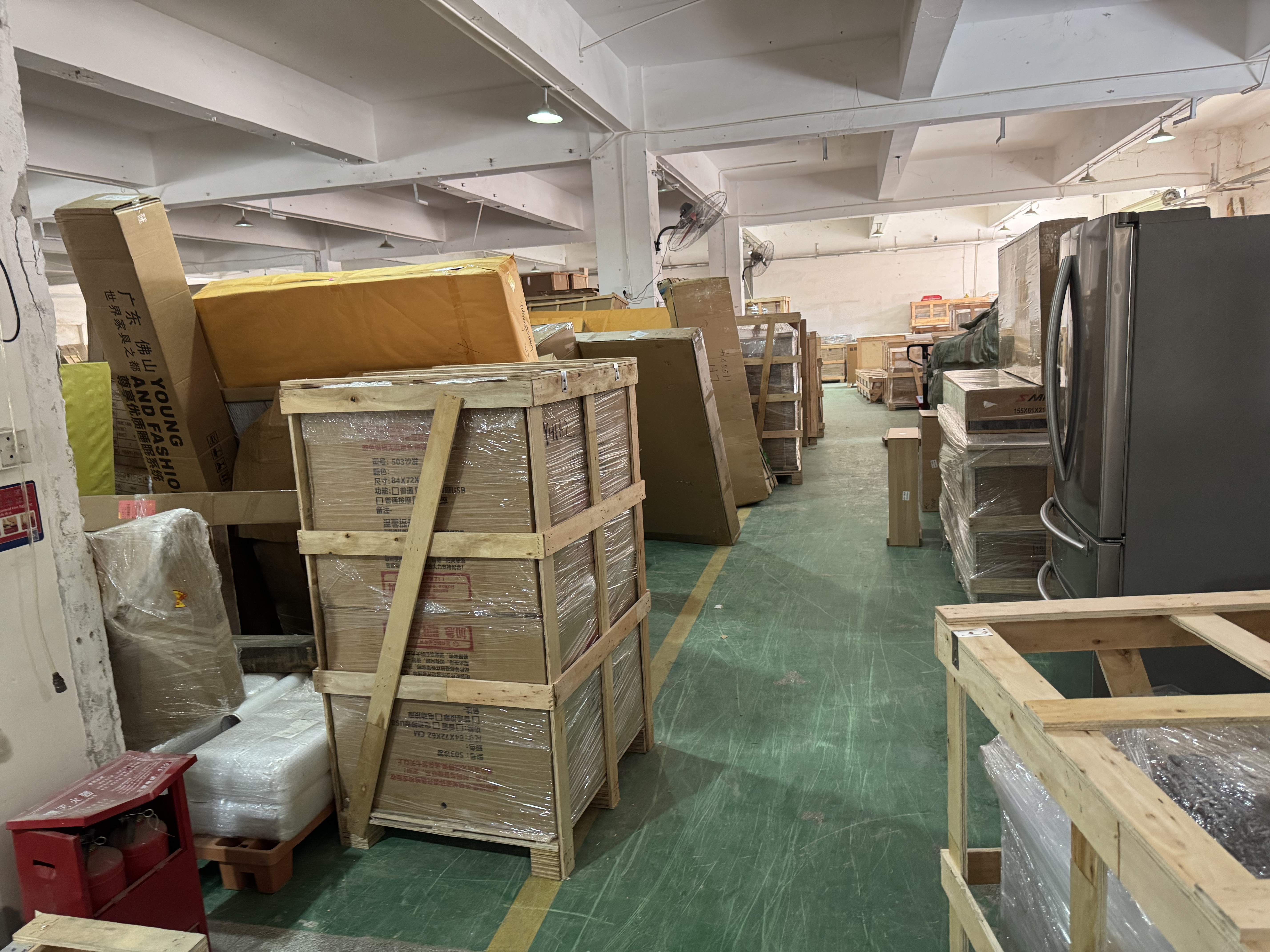
The Problem A few years back, I had a client who was an apparel importer, but this lesson applies to furniture too. They shipped some products without proper packaging, and many items got damaged during transit. For furniture, it's even more crucial. In 2026, the journey from China to Canadian ports can be rough, with multiple handling points. If you don't use sturdy materials like thick cardboard, wooden frames, and proper cushioning materials such as foam or bubble wrap, your furniture is at high risk of scratches, dents, or even breakage.The Solution Invest in good - quality packaging materials. For delicate parts of the furniture, use custom - made wooden crates or padded boxes. Apply a layer of foam padding to all sharp edges and corners. For example, if you're shipping a glass - topped table, use a thick layer of bubble wrap around the glass and then place it in a wooden - framed box with additional cushioning inside.
III. Ignoring New Customs Regulations in 2026
The Problem The Canadian Border Services Agency (CBSA) has introduced some new regulations in 2026 regarding furniture imports. I've seen many businesses get caught off - guard because they didn't keep up with these changes. Perhaps they didn't know about the updated standards for the origin of wood used in furniture. Some woods need to have proper certificates of origin to prove they're from sustainable sources. If you don't meet these requirements, your shipment could be held up at customs, leading to demurrage fees and delivery delays.The Solution Stay informed about the latest customs regulations. Regularly check the official CBSA website for announcements. You can also hire a professional customs broker who specializes in furniture imports. They have in - depth knowledge of these regulations and can ensure your paperwork is in order. For instance, if you're shipping wooden furniture, make sure you have the FSC (Forest Stewardship Council) certification if required.
IV. Choosing the Wrong Shipping Method
The Problem Let me tell you about a home goods seller I worked with. They shipped a large batch of bulky furniture via air freight because they thought it would be faster. But air freight is usually not cost - effective for large - scale and heavy furniture shipments. Not only did they end up paying a fortune, but they also didn't get the timely delivery they expected due to capacity limitations and additional handling time.The Solution Understand the pros and cons of different shipping methods. For large furniture shipments, sea freight is generally the best option. It's more cost - efficient, and in 2026, shipping lines have improved their schedules and reliability. You can choose between full - container load (FCL) if you have enough furniture to fill a container or less - than - container load (LCL) if your shipment is smaller. For urgent and small - scale furniture shipping, air freight can be considered, but make sure it's worth the cost.
V. Inadequate Insurance Coverage
The Problem I once had a client shipping high - end 3C electronics (the same principle applies to furniture). They thought they could save a bit by getting minimal insurance coverage. During transit, a container was damaged due to rough weather at sea, and a significant portion of their goods was lost. Since their insurance coverage was so limited, they had to bear a large financial loss themselves.The Solution Get comprehensive insurance for your furniture shipment. Look for an insurance policy that covers damage, loss, and theft during transit. Consider the value of your furniture and choose an appropriate level of coverage. It might cost a bit more upfront, but it can save you from a huge financial disaster if something goes wrong.
VI. Poor Communication with Logistics Providers
The Problem Some e - commerce sellers I've worked with didn't communicate clearly with their logistics providers. They didn't provide accurate information about the size, weight, and quantity of the furniture. As a result, the logistics provider couldn't plan the shipment properly, leading to loading issues, incorrect pricing, and even missed shipping schedules.The Solution Build a good relationship with your logistics provider. Provide them with detailed and accurate information about your furniture shipment from the start. This includes dimensions, weight, fragile parts, and any special handling requirements. Keep in touch with them throughout the shipping process, and don't hesitate to ask questions or provide updates.
VII. FAQ
Q: How long does it usually take to ship furniture from China to Canada by sea?
A: It generally takes approximately 25 - 35 days, depending on the departure and arrival ports. For example, shipping from Shanghai to the Port of Vancouver might take around 25 days, while to the Port of Montreal could take a bit longer, maybe 30 - 35 days.
Q: Are there any restrictions on the type of wood used in furniture? A: Yes, in 2026, the CBSA has stricter regulations on wood origin. Woods from certain regions or species might require special certificates, like the FSC certification, to prove they're from sustainable sources. Make sure to check these requirements in advance.
Q: What if my furniture gets damaged during transit? A: That's why having good insurance is crucial. If your furniture is damaged, you should immediately notify your logistics provider and your insurance company. They'll guide you through the claims process, which usually involves providing evidence of the damage, such as photos and shipping documents.
Q: Can I track my furniture shipment? A: Most reliable logistics providers offer shipment tracking services. You can usually track the status of your furniture through their online platforms or by contacting their customer service. This gives you real - time information about where your shipment is and when it's expected to arrive.
Q: How can I choose a reliable logistics provider for furniture shipping? A: Look for a provider with experience in cross - border furniture shipping. Check their reviews and reputation in the industry. A good provider should have a clear pricing structure, offer comprehensive services including packing, shipping, and customs clearance, and have a good track record of on - time delivery and handling of issues. You might also want to ask for referrals from other businesses in the same field.
As you plan your furniture shipping from China to Canada in 2026, keep these points in mind. By avoiding these common mistakes, you can ensure a smooth and successful shipping process for your business.
