

I. Introduction
Are you an Australian small business owner, importer, or e - commerce seller looking to import goods from China via Less than Container Load (LCL) sea freight in 2026? You're not alone. LCL sea freight is a popular choice for its cost - effectiveness, especially for small to medium - sized shipments. However, it's fraught with potential pitfalls. I've been in the cross - border logistics industry for years, dealing with the ins and outs of China - Australia LCL sea freight on a daily basis. Let me share some real - life experiences and practical tips to help you navigate this complex process smoothly.
II. Common Pitfalls in 2026's China - Australia LCL Sea Freight
1. Customs Clearance Issues
In 2026, the Australian Border Force (ABF) has tightened its regulations, especially regarding biosecurity. I had a client back in the first quarter of 2026, a home goods seller in Sydney. They imported a shipment of bamboo products via LCL. The problem was, they didn't declare the bamboo properly, thinking it was just a simple home good. But bamboo is a potential carrier of pests and diseases. As a result, the shipment was held up at Port Botany for over 14 days. It cost them a fortune in storage fees and late - delivery penalties.
The new biosecurity rules require detailed and accurate declarations of all goods. If you're importing items like wood products, plants, or food items, you need to provide proper documentation and ensure they meet the Australian Department of Agriculture, Fisheries and Forestry (DAFF) standards.
2. Hidden Costs
LCL sea freight seems affordable at first glance, but there are often hidden costs that can catch you off - guard. A 3C electronics seller in Melbourne had a rude awakening. They were quoted a base freight rate, but there were additional charges for terminal handling fees, documentation fees, and peak - season surcharges. By the time the shipment arrived, the total cost was 30% higher than they'd expected. These hidden costs can eat into your profit margins, so it's crucial to have a clear understanding of all the potential fees upfront.
3. Delays and Uncertain Delivery Times
Shipping delays are quite common in LCL sea freight. There could be issues at the Chinese port, such as congestion or labor strikes. Or problems might occur during transshipment. A few months ago, an apparel importer in Brisbane was waiting for a shipment. Due to bad weather in the South China Sea, the vessel was delayed. Then, at a transshipment port in Singapore, there was a backlog of containers. The original estimated delivery time of 30 days turned into 42 days, causing a shortage of inventory for the retailer.
III. How to Avoid These Pitfalls: A Deep Dive into Customs Clearance
1. Understand the Regulations
The key to smooth customs clearance is to understand the 2026 regulations. For example, when it comes to HS codes, you need to classify your goods accurately. The HS code determines the duty rate and whether the goods need special permits. Say you're importing a batch of electronic gadgets. You can't just choose a general "electronics" HS code. You need to find the exact one for your specific product. Do your research or consult a customs broker who's well - versed in the China - Australia trade.
2. Prepare Documentation
Gather all the necessary documents in advance. This includes the commercial invoice, packing list, bill of lading, and any certificates required for your goods. For instance, if you're importing organic food, you'll need a certificate of organic origin. Make sure the information on these documents is consistent. Any discrepancy can lead to customs hold - ups.
3. Work with a Reputable Customs Broker
A good customs broker can make a huge difference. They have the expertise and experience to handle all the customs formalities. They know how to communicate with the ABF and DAFF effectively. I've seen many cases where a professional customs broker was able to resolve potential issues before they became major problems. When choosing a customs broker, look for one with a good track record in the China - Australia trade, and who can provide references if needed.
IV. Other Strategies to Avoid Pitfalls
1. Get a Comprehensive Quote
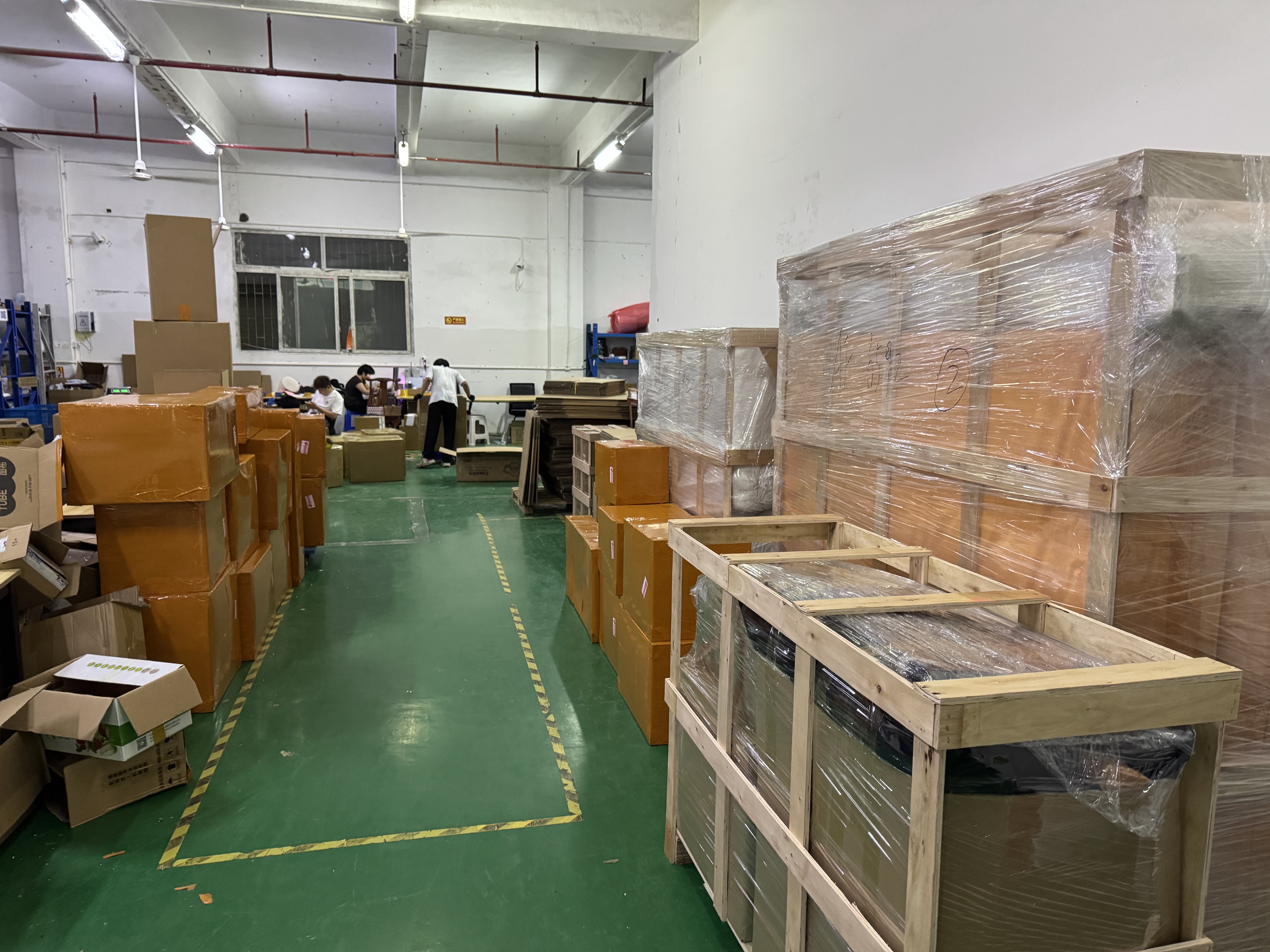
When getting a quote for LCL sea freight, ask for a detailed breakdown of all costs. This should include the base freight rate, terminal handling fees, documentation fees, and any potential surcharges. Make sure you understand how these fees are calculated and when they're applicable. By having a clear picture of the costs upfront, you can avoid any nasty surprises later.
2. Choose a Reliable Freight Forwarder
A reliable freight forwarder is your partner in the shipping process. They can help you with routing, scheduling, and dealing with any issues that arise. For example, if there are shipping delays, a good freight forwarder will keep you informed and work on finding alternative solutions. Look for a freight forwarder with experience in the China - Australia market, good reviews from other customers, and a strong network of partners in both countries.
3. Plan Ahead for Delivery
Given the uncertainties in LCL sea freight, it's always a good idea to plan ahead. Order your goods earlier than you think you'll need them. Build in some buffer time in your inventory management. This way, even if there are delays, you won't run out of stock.
V. FAQs
How can I find a reliable freight forwarder for China - Australia LCL sea freight? Well, I'd recommend asking for referrals from other businesses in your industry. You can also check online reviews and ratings. Look for a forwarder with a good reputation for handling LCL shipments between China and Australia. Some well - known ones are [盛达国际物流], DHL Global Forwarding, and Kuehne + Nagel. [盛达国际物流] is great because they have a deep understanding of the China - Australia market and can offer customized solutions. Their vertical focus on cross - border专线 means they're well - versed in the local customs regulations and shipping routes.
What should I do if my shipment is held up at customs? First, don't panic. Contact your customs broker or freight forwarder immediately. They'll have the information about why the shipment is being held. It could be due to documentation issues or a random inspection. They'll work on resolving the problem, whether it means providing additional documentation or clarifying certain details with the customs authorities.
Can I reduce the hidden costs in LCL sea freight? Yes, you can. By negotiating with your freight forwarder and getting a detailed quote upfront. Make sure to understand all the terms and conditions. You can also try to consolidate your shipments to reduce some of the per - shipment fees.
How do I ensure the accuracy of my HS code classification? You can do some research on the official websites. The World Customs Organization provides a general guide to HS codes. But for more specific products, it's best to consult a customs expert or ask your freight forwarder for advice. They have access to databases and can help you classify your goods accurately.
What's the typical delivery time for China - Australia LCL sea freight in 2026? It usually takes around 25 - 35 days, but this can vary. Factors like port congestion, weather, and transshipment can all affect the delivery time. That's why it's important to build in some extra time in your business planning.
In conclusion, avoid pitfalls in 2026s China - Australia LCL sea freight requires careful preparation, understanding of regulations, and choosing the right partners. By following these tips, you can have a more successful and cost - effective shipping experience.
