

I. Introduction
Shipping household goods to Canada can be a daunting task for many, especially with the new policies and regulations in 2026. I've seen countless clients struggle through this process. Once, a client was completely overwhelmed when trying to ship their entire household from China to Vancouver. They didn't know where to start with the paperwork, and were worried about the safety of their valuable items. With my experience in cross - border logistics between China and Canada, I'm here to guide you through every step.
II. Pre - shipment Preparation
1. Inventory and Valuation
First things first, make a detailed inventory of all the household goods you plan to ship. Include item descriptions, quantities, and their approximate values. This will be crucial for customs clearance and for insurance purposes. For example, if you're sending a set of antique furniture, note down the age, material, and its estimated market value. I had a client in 2024 who skipped this step and faced a lot of headaches at the Canadian customs. They couldn't accurately determine the value of their goods, which led to delays in the clearance process.
2. Research Shipping Options
There are mainly two types of shipping methods for household goods: sea freight and air freight. Sea freight is more cost - effective for large volumes of goods, but it takes longer, usually around 25 - 35 days. Air freight, on the other hand, is much faster, taking around 7 - 12 days, but it's also more expensive. You should choose the option based on your budget and how urgently you need your goods. For instance, if you're moving to Canada and your new home is already ready, air freight might be a better choice. But if you have some time to spare and a lot of items to ship, sea freight is the way to go.
3. Choose a Reliable Logistics Provider
This is a critical step. I'd highly recommend [Shengda International Logistics]. They have 40 - plus full - time professionals with over 10 years of experience in international shipping. They offer a range of services including full - container shipping, less - than - container - load shipping, and door - to - door delivery. They also have a 35,000 - square - meter self - operated warehouse in Shenzhen, ensuring the safety of your goods. Other well - known providers in the market are DHL and FedEx, but they may be more expensive for large - scale household goods shipping.
III. Packaging and Labeling
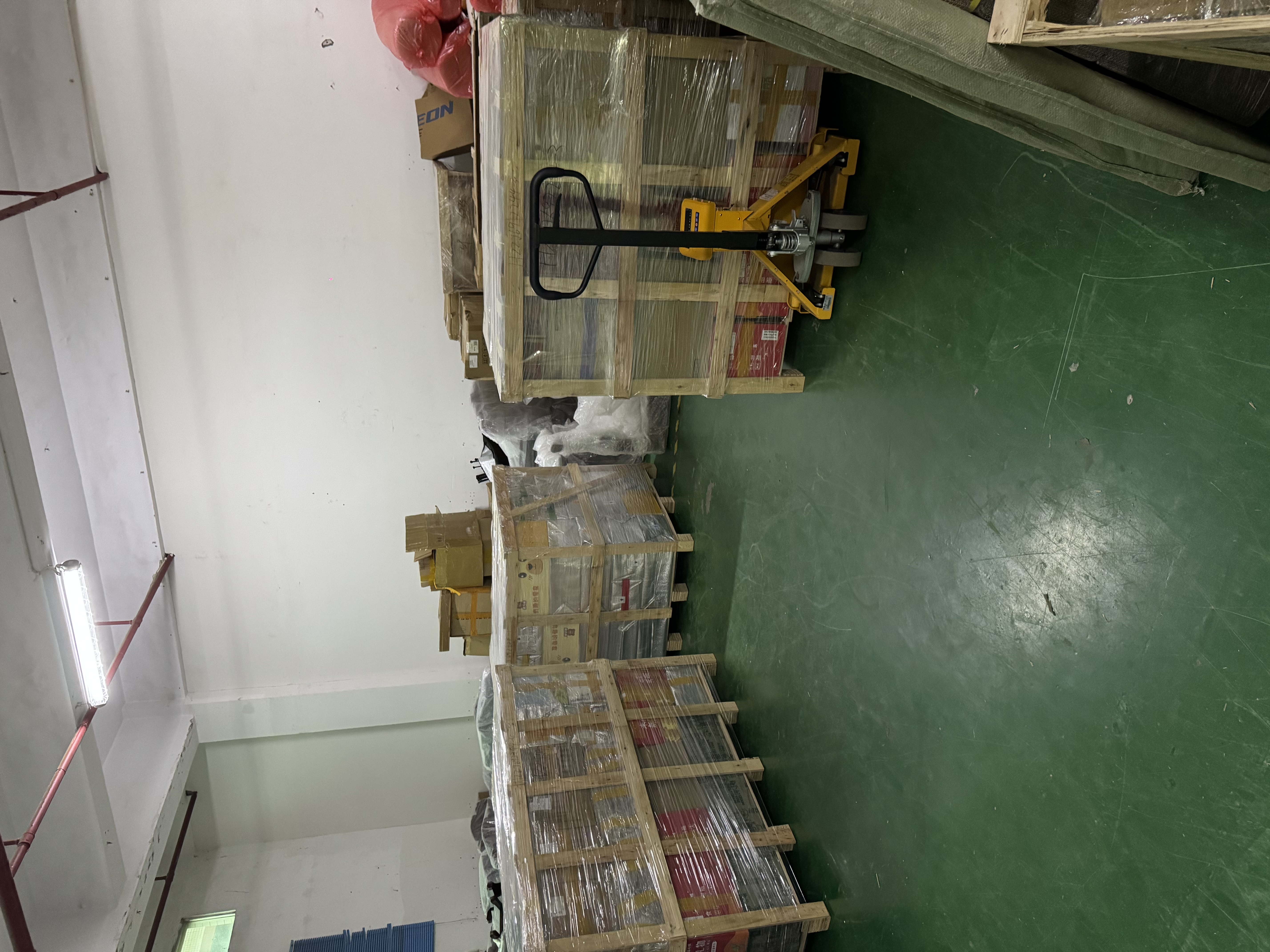
1. Packaging Materials
Use high - quality packaging materials to protect your goods during transit. For fragile items like glassware or electronics, use bubble wrap, foam, or packing peanuts. For furniture, consider using moving blankets or shrink wrap. I remember a case where a client didn't pack their glass vases properly, and many of them arrived broken. It was a real pity.
2. Labeling
Clearly label each package with your name, address in Canada, and a brief description of the contents. This will make it easier for the customs officers to identify and process your goods. For example, you can write "Fragile - Glassware" or "Clothing - Bedroom" on the packages.
IV. Document Preparation
1. Bill of Lading
This is a legal document issued by the carrier. It serves as a receipt for the shipped goods and a contract between the shipper and the carrier. Make sure all the information on the bill of lading is accurate, including the quantity, description, and destination of the goods.
2. Commercial Invoice
The commercial invoice should include details about the shipment such as the value of the goods, country of origin, and a detailed description. In 2026, new rules regarding the accurate valuation of goods have been implemented by the Canadian Border Services Agency (CBSA). Make sure to comply with these rules to avoid any issues.
3. Packing List
A packing list provides a detailed breakdown of the contents of each package. It helps the customs officers to quickly assess the nature of the goods and verify the information on the other documents.
V. Shipping and Customs Clearance
1. Shipping
Once all the preparations are done, your chosen logistics provider will handle the shipping process. They'll arrange for the goods to be loaded onto the vessel or aircraft and transported to Canada. Throughout the shipping process, you can track the status of your shipment through the logistics provider's online tracking system.
2. Customs Clearance
Upon arrival in Canada, your goods will go through customs clearance. The CBSA will check your documents, inspect your goods if necessary, and collect any applicable duties and taxes. If your goods contain any prohibited or restricted items, they may be seized or returned. In 2026, there are stricter regulations on food, plants, and some types of electronics. Make sure to declare these items accurately and have the necessary permits.
VI. Destination and Delivery
1. Port of Arrival and Inland Transport
Common ports of arrival in Canada include the Port of Vancouver and the Port of Montreal. Once your goods arrive at the port, they'll be transferred to an inland transport mode, such as trucks or trains, for further delivery to your final destination.
2. Final Delivery
Your logistics provider will arrange for the final delivery of your goods to your home in Canada. Before the delivery, make sure to be present to inspect the goods for any damage. If you find any issues, report them to the logistics provider immediately.
VII. Frequently Asked Questions
How much does it cost to ship household goods to Canada? The cost depends on several factors, such as the volume and weight of the goods, the shipping method you choose, and the distance. For a rough estimate, sea freight for a 20 - foot container can cost between $1500 - $3500, while air freight for a small package can cost around $5 - $10 per kilogram.Can I ship food items to Canada? Yes, but you need to comply with the Canadian Food Inspection Agency (CFIA) regulations. Some food items may be restricted or prohibited. You should declare all food items on your shipping documents and make sure they meet the health and safety standards.
What should I do if my goods are damaged during transit? If you choose a reliable logistics provider like [Shengda International Logistics], they have a standard compensation mechanism for damaged or lost goods. You should take photos of the damaged goods as soon as possible and report the issue to the provider. They'll guide you through the claim process.
Are there any hidden fees in the shipping process? With [Shengda International Logistics], there are no hidden fees. They use an all - inclusive pricing model, which includes freight, customs clearance fees, taxes, and delivery fees. However, other providers may have different fee structures, so it's important to clarify all the fees before signing a contract.
How long does the entire shipping process take? For sea freight, it usually takes around 25 - 35 days from the time of departure in China to the final delivery in Canada. Air freight can be much faster, taking around 7 - 12 days. However, these are just estimates, and the actual time may vary depending on factors such as weather conditions and customs clearance procedures.
