

I. Introduction
Shipping heavy and bulky items from China to Australia can be a real headache for small business owners, importers, and e - commerce sellers. In 2026, new policies and regulations from the Australian Border Force (ABF) have added more complexity to this process. I've been in the cross - border logistics business for years, dealing with all sorts of heavy and bulky shipments. Let me share some dos and don'ts based on my hands - on experience.
II. Dos
1. Understand the 2026 ABF Regulations
The Australian Border Force has tightened its regulations in 2026, especially regarding biosecurity and customs valuation. For example, wooden items need to be properly treated and certified to avoid any biosecurity risks. It's crucial to research and understand these regulations thoroughly. I had a client last month who was shipping wooden furniture. Thanks to prior research, they had the furniture fumigated and provided all the necessary certificates, which made the customs clearance process smooth.
2. Choose the Right Shipping Method
There are mainly two options for shipping heavy and bulky items: sea freight and air freight. Sea freight is generally more cost - effective for large and heavy shipments. For instance, a home goods seller in Sydney needed to import a large quantity of ceramic vases. By choosing sea freight, they saved around 30% on shipping costs compared to air freight. However, sea freight takes longer, usually around 20 - 25 days from a Chinese port like Shanghai to Port Botany in Sydney. Air freight is much faster, typically within 7 - 10 days, but it's much more expensive. So, consider your budget and delivery time requirements when making a choice.
3. Proper Packaging
Heavy and bulky items are more prone to damage during transit. Use high - quality packaging materials such as thick cardboard, bubble wrap, and wooden crates. For example, when shipping large 3C electronics like refrigerators, it's important to use custom - made wooden frames for extra protection. I once handled a shipment of large glass panels. The shipper used proper foam padding and a sturdy wooden crate, and the panels arrived in perfect condition.
4. Accurate Documentation
Prepare all the necessary documents accurately. This includes the commercial invoice, packing list, bill of lading, and any certificates required by the ABF. Incorrect or incomplete documentation can lead to delays and additional costs. For example, if the value on the commercial invoice is misstated, it can cause issues with customs valuation. Make sure to double - check all the information before submitting the documents.
5. Work with a Reliable Logistics Partner
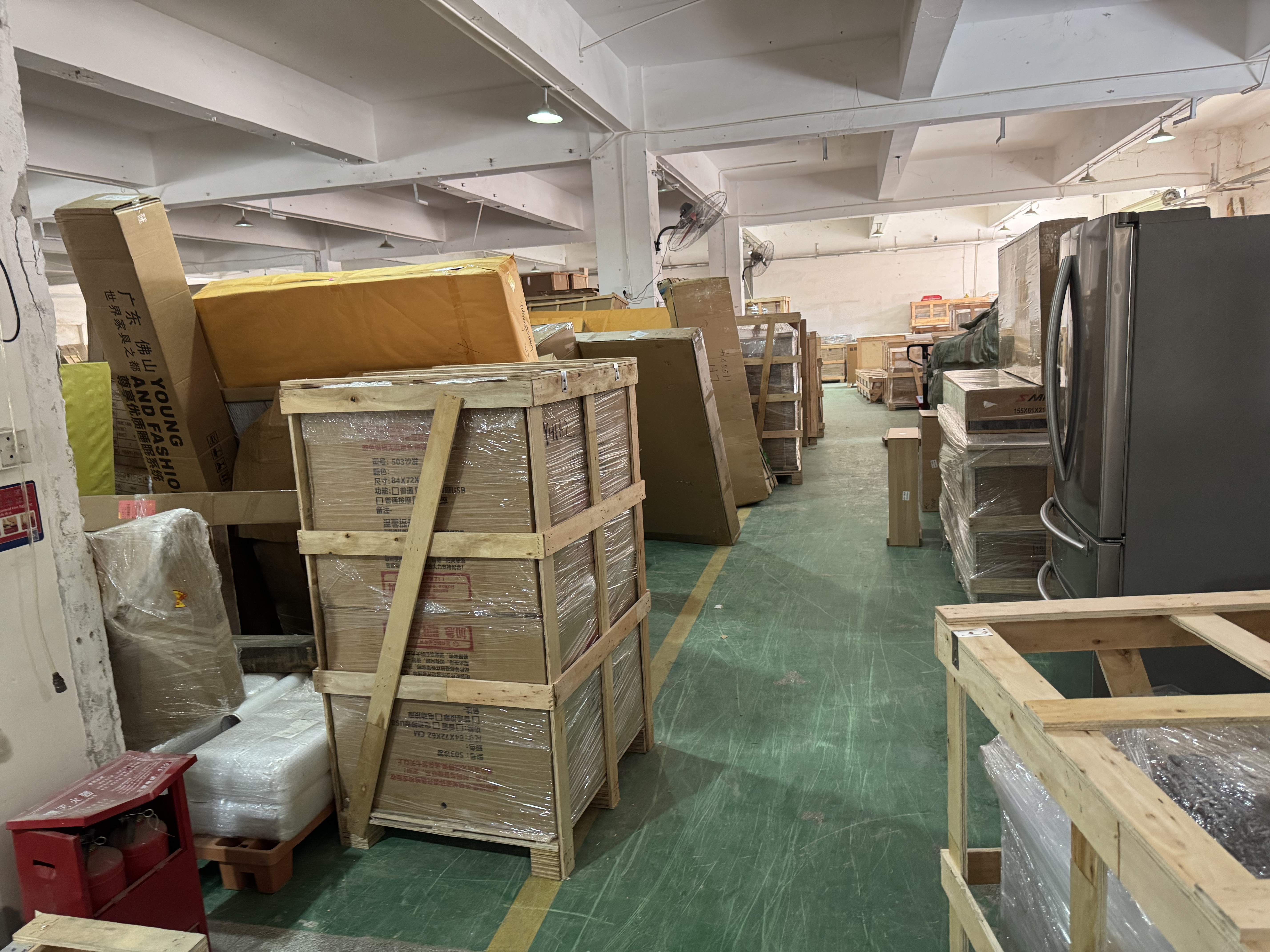
A good logistics partner can make the whole shipping process much easier. They have the expertise and experience to handle heavy and bulky items. For example, Shengda International Logistics has been specializing in cross - border logistics between China and Australia. They offer a range of services including packing, shipping, and customs clearance. They also have a team of experts who are familiar with the 2026 ABF regulations, which can help you avoid potential problems.
III. Don'ts
1. Ignore Biosecurity Risks
The Australian Department of Agriculture, Fisheries and Forestry (DAFF) is very strict about biosecurity. Items such as food, plants, and some wooden products may carry pests or diseases. One of my clients once shipped some bamboo products without proper treatment. The products were held at the Port of Melbourne for weeks until proper treatment was arranged, which caused significant delays and additional costs.
2. Underestimate the Packaging
As mentioned before, heavy and bulky items are more likely to be damaged during shipping. Don't use thin or flimsy packaging materials. I've seen many cases where items like large metal sculptures were only loosely wrapped in thin plastic. By the time they arrived in Australia, they were severely damaged, and the seller had to bear the cost of replacement or loss.
3. Use Incorrect HS Codes
Harmonized System (HS) codes are used to classify goods for customs purposes. Using incorrect HS codes can lead to misclassification, over - or under - payment of duties, and potential customs inspections. For example, if you misclassify a piece of industrial equipment, it may be subject to a different tariff rate, which can result in unexpected costs.
4. Rush the Shipping Process
Don't wait until the last minute to arrange shipping. Heavy and bulky items usually require more time for preparation, such as packaging and documentation. Rushing can lead to mistakes and oversights. A trade factory in Brisbane once tried to rush a large shipment of building materials. They didn't have all the necessary certificates ready, which caused a delay of almost two weeks at the port.
IV. FAQ
How long does it usually take to ship heavy and bulky items from China to Australia via sea freight in 2026? Well, it generally takes around 20 - 25 days from a major Chinese port to an Australian port like Port Botany or the Port of Melbourne. But this can vary depending on factors like shipping routes, weather conditions, and port congestion.Can I ship food items as heavy and bulky shipments from China to Australia? You can, but it's very tricky. The DAFF has strict biosecurity regulations for food items. You need to make sure the food is properly labeled, meets all the import requirements, and may need to go through additional inspections. I've had clients who successfully shipped large quantities of preserved food, but they had to do a lot of paperwork and follow strict procedures.
Is it necessary to use a logistics partner for heavy and bulky item shipping? It's not absolutely necessary, but it's highly recommended. A reliable logistics partner like Shengda International Logistics has the expertise to handle all aspects of the shipping process, from packaging to customs clearance. They can also help you avoid potential pitfalls and save you time and money in the long run.
What should I do if my heavy and bulky shipment is held at customs? First, don't panic. Contact your logistics partner immediately. They can usually help you figure out the reason for the hold. It could be due to incorrect documentation, biosecurity concerns, or customs valuation issues. Provide all the necessary information and cooperate with the customs authorities to resolve the issue as quickly as possible.
How much does it cost to ship heavy and bulky items from China to Australia? The cost depends on many factors such as the weight, volume, shipping method, and the type of goods. Sea freight is generally more affordable, but air freight is more expensive. You can get a quote from a logistics company. For example, Shengda International Logistics can provide you with a detailed cost breakdown based on your specific shipment requirements.
Shipping heavy and bulky items from China to Australia in 2026 requires careful planning and attention to detail. By following these dos and don'ts, you can ensure a smooth and successful shipping process. Always keep an eye on the latest policies and regulations, and don't hesitate to seek help from professionals when needed.
